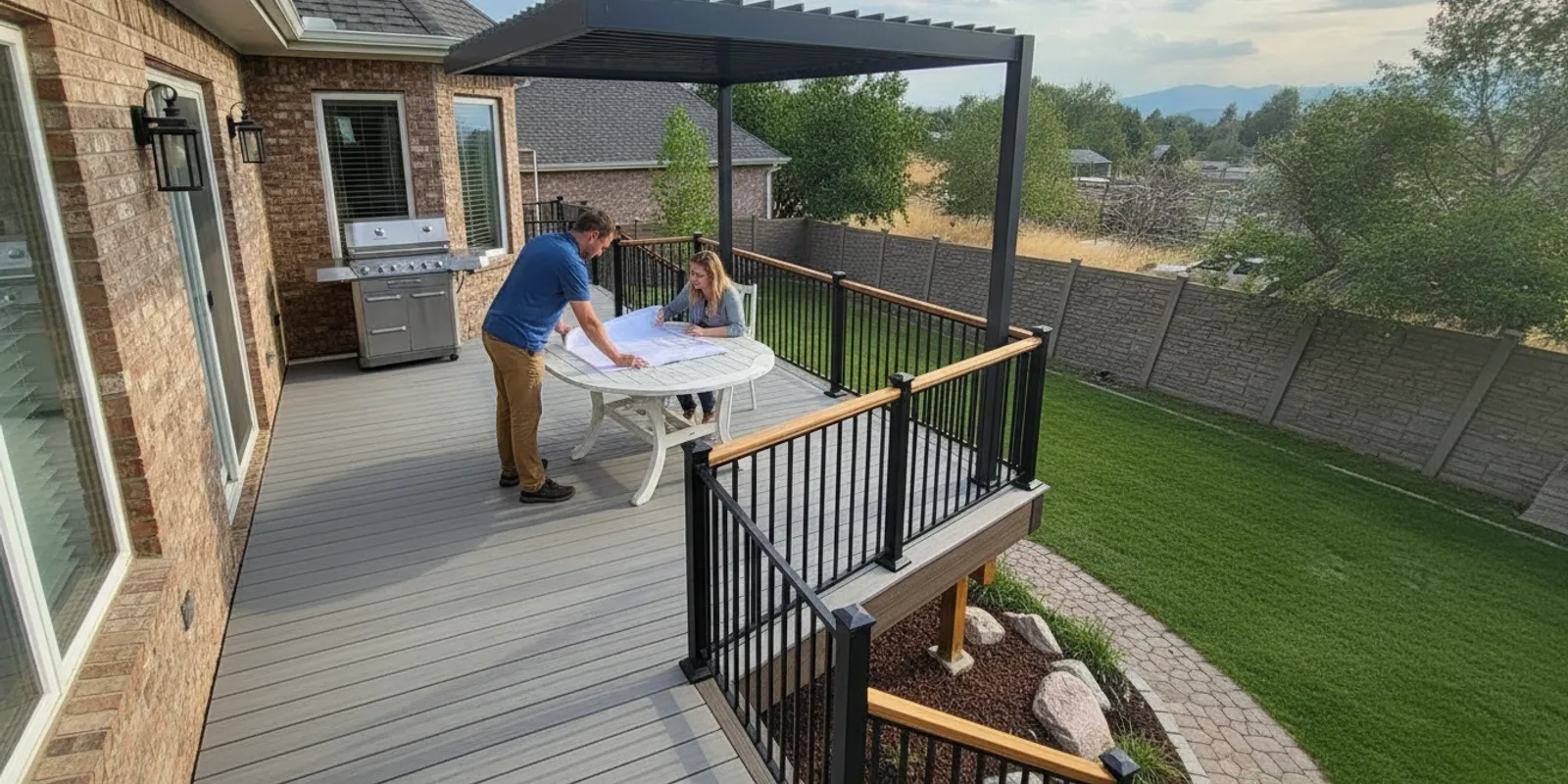
If you are weighing the best time to build a deck Utah weather is only one part of the decision. The right season depends on your project, local review timelines, material choices, site conditions, and how soon you want to use the space. Start by reviewing the company’s custom deck services and keep your desired use date in mind as you plan.
Request a deck consultation and estimate
Utah’s distinct seasons can affect access to the yard, ground conditions, and the comfort of working outdoors. Spring and fall can be useful planning windows, summer is popular for active construction, and winter may be better for early design work than for every type of site work. No one season guarantees a faster or better build. A clear scope, adequate preparation, and an appropriate construction plan matter more than choosing a month by itself.
What is the best time to build a deck in Utah?
For many homeowners, the best time is the season that gives enough lead time for design, approvals, and construction before the deck is needed. If using the deck for summer gatherings is the priority, start planning well before summer. Waiting until warm weather arrives to begin design and contractor conversations can leave little room for revisions or schedule changes.
Think of the project as a sequence rather than a single build date. You will need time to define the deck’s size and features, evaluate the site, confirm applicable rules, select materials, and coordinate the work. The actual construction window depends on the design and property. A straightforward project and a complex one with stairs, railings, grading considerations, or difficult access should not be expected to follow the same calendar.
Dynamic Deck Pros offers custom design and installation, and its team manages permits when applicable. A consultation can help establish a project-specific scope and timeline. For a wider view of the planning choices, use this guide to building a new deck alongside a conversation about your property.
How do Utah’s seasons affect deck construction?
Seasonal timing is a balance between weather, site readiness, permitting, and your own schedule. The table below is a planning aid, not a promise of availability or construction duration. Local conditions vary, and a contractor should assess the actual site before recommending dates.
| Season | Planning advantages | Potential considerations | Useful homeowner focus |
|---|---|---|---|
| Winter | Time to define the project, compare options, and begin discussions before the busy building season. | Cold, snow, frozen ground, and access can limit or change outdoor work, depending on the site and scope. | Gather ideas, discuss design, and ask what approvals and decisions are needed. |
| Spring | A practical period to move from planning toward construction as conditions allow. | Wet or unsettled conditions may affect site access and scheduling; permit review and contractor calendars still take time. | Confirm the scope, selected materials, applicable approvals, and a realistic start window. |
| Summer | Longer daylight and warmer conditions can make outdoor work and site visits convenient. | It is a popular season, so early planning is important. Heat and weather interruptions may affect workdays. | Keep decisions timely and clarify site access, work hours, and household plans. |
| Fall | Can be a good time to assess the yard and plan a project for the following season. | Shorter days and changing temperatures can narrow the useful work window as the season advances. | Ask whether the project can be completed in the available conditions or should be scheduled later. |
Rather than assume that a particular season is always best, ask how the anticipated conditions interact with your design. A deck with a simple footprint may have different site needs from one that includes multiple levels or substantial changes to the existing outdoor area. Those details can shape the plan and sequence of work.
Is spring a good time to build a deck in Utah?
Spring can be a good time to begin or advance a deck project, especially when planning started earlier. But the calendar turning to spring does not mean every site is immediately ready. Recent precipitation, ground conditions, access to the work area, and the project’s construction details can all affect when work can begin.
Homeowners hoping to enjoy a new deck during summer should use spring to finalize choices, not to start every decision from scratch. Confirm the design, identify the intended use, and discuss how the deck connects to doors, stairs, walkways, or an existing patio. If you are considering composite boards, compare appearance, maintenance expectations, and available colors before finalizing the design. Dynamic Deck Pros highlights TimberTech among its material options; you can explore its composite decking guide for Utah homes as one part of that discussion.
Spring can also bring competing demands on project calendars. Ask the contractor what must happen before a start date can be confirmed, which choices need your approval, and how weather-related changes will be communicated. A realistic plan accounts for uncertainty instead of promising a specific finish date before the site and scope have been reviewed.
Does summer make the easiest deck-building season?
Summer often feels like the obvious choice because homeowners can see and use their yards, and outdoor work is more comfortable than during cold weather. Yet summer is also a popular time to start outdoor projects. The best way to use the season is to prepare early and make decisions promptly, rather than assume that a contractor can begin as soon as you are ready.
Heat, storms, and other day-to-day conditions can still interrupt outdoor work. A deck’s design and the access available around the home matter too. If your household will be hosting an event, be candid about that date, but treat it as a preference rather than a guaranteed completion deadline until the project has been evaluated.
Summer is also a useful time to observe how sunlight moves across the yard and where you want seating, shade, and circulation. Make notes about when the space is comfortable and how people move between the home and yard. Share those observations during design. For more planning ideas, see these deck layout ideas for Utah backyards.
Can fall or winter be the right time to plan?
Fall is a strong opportunity to assess what worked in the yard during the warm months and plan improvements for the next year. You can take measurements, note drainage or access concerns, and decide which features matter most. Ask whether the project makes sense to build before winter or whether design and approvals should be completed first, with construction scheduled when conditions are suitable.
Winter can be especially useful for the early stages: collecting inspiration, reviewing the home’s exterior, discussing materials, and arranging a consultation. It does not mean that every deck project can or should be built during cold weather. Snow, frozen ground, and site access can make some work impractical. The contractor’s assessment should guide whether a particular task can proceed safely and appropriately.
Homeowners who use the colder months to settle design decisions may be better prepared when the preferred construction window approaches. That preparation does not remove the need for permit review or site-specific scheduling, but it can reduce avoidable delays caused by unresolved choices.
How do permits and approvals change the schedule?
Do not choose a construction date before checking what approvals apply to your property and project. Requirements can depend on the location and the proposed design. Local authorities can explain the rules for the property, and your contractor can help identify permit needs and coordinate applicable paperwork. Dynamic Deck Pros states that it manages permits when applicable, but the project still needs enough time for review and any required revisions.
Begin with the property’s jurisdiction and ask which plans or details the reviewing authority needs. A change to the design during review may require updated documents or another review step. If your home is in an HOA or planned community, find out whether its architectural approval is separate from local permits. Do not treat HOA approval as a substitute for municipal requirements, or the reverse.
For a starting point on the local process, read this Utah deck permit guide, then confirm requirements with the authority that has jurisdiction over your address. Government permit pages are location-specific; for example, Portland’s residential deck permitting information describes that city’s process, not Utah’s. Use the appropriate Utah city or county source for your own project.
It is also wise to think about structural condition and safety while planning, regardless of season. Fairfax County notes that a deck built and inspected to code and properly maintained should last 20 years or more; this is general guidance, not a lifespan guarantee for an individual deck or a Utah-specific rule. If an existing structure raises concerns, have it assessed by a qualified professional before building onto or around it. See the county’s deck safety guidance.
What can you do to keep seasonal timing on track?
Homeowners cannot control the weather or review schedules, but they can make a project easier to plan. Use this sequence to organize the decisions that commonly affect the calendar:
- Set a use goal. Decide when you would like to use the deck and what will happen there, such as dining, relaxing, or connecting the home to the yard. A preferred date helps frame the conversation, but it should not be treated as a promise of completion.
- Define the scope. List the size, layout, access points, stairs, railing needs, and any connection to existing outdoor features. A clear scope gives the contractor a better basis for evaluating timing.
- Review the site. Note slopes, access constraints, existing structures, and any areas that may need careful coordination. Share what you know, then let the contractor evaluate conditions in person.
- Check approvals early. Ask which local permits, HOA reviews, or other approvals may apply and who will coordinate them. Build review time into your expectations.
- Choose materials and key details. Compare appearance and care needs, and settle important selections before construction is ready to begin. For example, railing style can affect the look and layout; this guide to deck railing options can help you prepare questions.
- Agree on communication. Ask how the team will share schedule updates, what conditions could change the start, and how decisions will be handled if the plan needs adjustment.
Keep the plan flexible enough to absorb ordinary changes. If a particular date is important, tell the contractor early and ask whether it is realistic after the project scope and site have been reviewed. Avoid booking related work or an event around an unconfirmed completion date.
How should you plan for the work at home?
Seasonal readiness includes more than temperature. Before construction begins, discuss where materials and equipment can be placed, which gates or paths the crew will use, and how household members and pets can stay clear of the work area. If access is limited, mention it during the site visit rather than after the schedule is set.
Plan for temporary changes to how you use the yard. Move furniture and personal items from the work area, identify any features that need protection, and ask the contractor what preparation is expected from you. Do not remove or alter an existing deck before the new scope and any removal needs have been reviewed. If replacement is part of the plan, this deck removal guide explains questions homeowners may want to raise.
Discuss weather communication before work starts. Ask who will let you know if conditions affect a workday, how the updated schedule will be shared, and whether you should expect pauses between stages. A clear communication plan helps you distinguish a normal weather adjustment from a change to the agreed project scope.
What should you ask a deck contractor about timing?
Useful questions focus on the project’s dependencies rather than a generic claim about the fastest season. During a consultation, ask:
- What parts of this design are most sensitive to weather or site conditions?
- What approvals or decisions need to happen before a start date is firm?
- Which material or design choices should be finalized first?
- How will you communicate schedule changes caused by weather or review?
- What should I do to prepare the yard and provide access?
- How does the expected timeline change if the design is revised?
Ask for a project-specific timeline after the contractor has enough information to assess the scope. A useful estimate identifies major steps and assumptions, not just a single start or finish date. Dynamic Deck Pros provides a comprehensive timeline with its custom project quotes, according to the customer information supplied for this article. You can also review its Utah service areas to see whether your location is covered.
Talk through your deck timeline with the team
Frequently asked questions about the best time to build a deck in Utah
Which month is best for building a deck in Utah?
There is no single best month for every property. The right window depends on the design, site conditions, approvals, contractor schedule, and your intended use date. Start planning early and ask for a recommendation based on the actual project.
Can a deck be built during winter in Utah?
Some planning work can happen in winter, but cold, snow, frozen ground, and limited access may restrict construction tasks. A contractor must assess whether the specific work and site conditions are suitable before setting a winter schedule.
How far ahead should I plan a deck project?
Begin well before the season when you hope to use the deck. Design decisions, permit or HOA review, material selection, and contractor availability all need to be considered. Ask the contractor for a project-specific sequence and timeline rather than relying on a general rule.
Does choosing a warmer season guarantee a faster build?
No. Warmer weather can make some outdoor work more convenient, but demand, approvals, scope, site access, and interruptions can affect timing. Preparation and clear decisions help, but no season guarantees a completion date.
Plan the deck around your home and schedule
The right time to build is the time that fits the project’s design, site, approvals, and intended use—not simply the first warm week of the year. Start with a clear goal, allow time for planning, and keep the schedule flexible enough for real conditions.
Request a free consultation and project estimate
A site-specific conversation can help you decide what to build and when to begin planning for it.