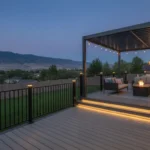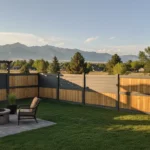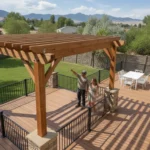
Utah decks face more than everyday foot traffic. Intense sun, snowy winters, and sharp temperature changes can test boards, fasteners, and finishes long before a homeowner expects repairs. The right material and installation plan should account for the local climate, the home’s design, and the details required by Utah building codes. For a brand comparison focused on Utah conditions, see our best composite decking brands guide.
Composite decking Utah homeowners choose is a layered board made from wood fibers and recycled plastic, often protected by a durable outer cap. It delivers a low-maintenance alternative to traditional wood, with resistance to fading, moisture, and everyday wear. Product quality, proper framing, ventilation, and professional installation still determine how well it performs.
This guide covers how composite boards are made, what a project may cost, how leading materials compare, and what to look for in a licensed builder. Understanding the board itself is the best place to begin, because its construction affects durability, appearance, maintenance, and long-term value.
What Is Composite Decking Made Of?
Composite decking is a manufactured decking material designed to provide the look of painted or stained wood with less routine upkeep. Most composite boards are a form of wood-plastic composite, often abbreviated WPC. The material combines wood fiber, such as recycled sawdust or wood flour, with plastic polymers and performance additives. The wood component contributes texture and a familiar appearance, while the plastic helps bind the board and improve resistance to moisture.
The exact recipe varies by manufacturer and product line. Some boards use recycled plastic and reclaimed wood fibers, while others include mineral fillers, pigments, and stabilizers. This is one reason composite decking should not be treated as a single uniform product. Board density, surface texture, color technology, fastening requirements, and warranty coverage can differ significantly between collections.
How composite deck boards are constructed
Many modern boards have two primary layers: a composite core and a protective outer cap. The core provides most of the board’s structure and stiffness. It is made from the wood-plastic mixture and is typically engineered to resist common outdoor stresses. The cap is a thin, durable polymer layer bonded around some or all of the core. It helps protect against moisture, stains, fading, scratches, and everyday wear.
A capped board may have a full protective shell or a cap on the top and sides, depending on the product. That construction can improve color retention and make cleaning easier, but it does not eliminate the need for proper installation. Adequate joist spacing, drainage, ventilation, and manufacturer-approved fasteners still matter. Composite boards can also expand and contract with temperature changes, so installers must follow the product’s spacing requirements.
Uncapped and capped composite decking
Uncapped composite decking exposes the composite material at the surface. It can be a practical choice when a homeowner wants the benefits of composite construction at a lower product cost. But its appearance and resistance to surface wear depend more directly on the core formulation and finish. Capped composite decking adds the protective polymer layer described above. It generally offers greater resistance to moisture, staining, and color change, although the price is often higher.
In Utah, product selection should account for intense sun, seasonal snow, and wide temperature swings. A professional builder can compare the technical requirements of each board with the site’s drainage, framing, and exposure instead of selecting a material based only on color. Composite decking research from the USDA Forest Service describes WPC as low-maintenance and high-durability, and the University of California Agriculture and Natural Resources documents the growth of composite lumber in outdoor construction.
Homeowners will encounter distinct collections from brands such as Trex, TimberTech, and Fiberon. Comparing board profiles, textures, warranties, and installation instructions is more useful than comparing brand names alone. The right choice depends on the deck’s design, exposure, budget, and the level of maintenance you want. A qualified contractor can help connect those details to a durable outdoor space.
Why Composite Decking Suits Utah’s Climate
Utah decks face a demanding combination of conditions. Strong high-altitude sunlight can fade exposed surfaces, summer heat can push materials through rapid temperature changes, and winter brings snow, ice, and repeated freeze-thaw cycles. Those stresses do not make wood unusable, but they do make material selection and ongoing maintenance especially important. Composite decking offers a practical alternative for homeowners who want an attractive outdoor space without constant refinishing and repair.
Many composite boards are engineered with a protective outer layer that helps resist fading and everyday moisture exposure. That surface is not a guarantee that a deck will never change color. But it can provide a more consistent appearance than an unprotected wood surface exposed to Utah sun. Composite also does not splinter like aging wood, which matters for families who use the deck barefoot or entertain outdoors. Homeowners generally avoid the recurring cycle of staining, sealing, and replacing damaged boards.
Snow and ice create another seasonal challenge. Moisture can enter cracks and vulnerable areas in wood, then expand when it freezes, contributing to checking, warping, and surface deterioration over time. Composite decking is moisture-resistant and will not absorb water in the same way. Proper drainage, adequate ventilation, and careful snow removal still matter. A plastic shovel is preferable to metal equipment that could damage the board surface, and deicing products should be used only when the manufacturer permits them.
- High UV exposure: A quality capped composite board is designed to provide better color stability than untreated wood, helping the deck maintain a more uniform appearance through bright Utah summers.
- Temperature swings: Composite expands and contracts as temperatures change. Professional installation accounts for board spacing, fastening, ventilation, and manufacturer requirements so seasonal movement can occur without creating avoidable problems.
- Snow and ice: Moisture-resistant boards simplify seasonal care, while good drainage and sensible snow removal help protect the framing and surface.
- Foot and family comfort: Composite does not splinter like weathered wood, reducing one common maintenance and safety concern as the deck ages.
Composite can also support a lower-impact material choice. Trex composite decking is made from approximately 95% recycled material, according to Dynamic Deck Pros’ customer information. Choosing materials sourced closer to the project can further reduce transportation-related fossil-fuel impact.
The best result depends on more than selecting a composite color. Correct framing, fastener placement, expansion gaps, and site drainage determine how well the deck handles Utah’s seasonal movement. A professional design can match those details to the home’s exposure and use, creating a durable outdoor space built for the local climate. Dynamic Deck Pros installs composite decks across Northern and Central Utah with custom decking services.
How Much Does Composite Decking Cost in Utah?
Composite decking in Utah is usually priced in two ways: by the square foot and by the total project. As a rough planning estimate, homeowners may see approximately $12 to $20 per square foot for composite materials plus installation. A complete project can often land closer to $40 to $60 per square foot installed when framing, railings, stairs, labor, site preparation, permits, and other details are included. These are typical ranges, not fixed prices. Your property’s access, design, existing structure, and material selections can move the final number significantly.
For example, a simple 20-by-20-foot deck provides about 400 square feet of surface area. Using the broader installed range, that project could represent roughly $16,000 to $24,000 before unusual site conditions or custom upgrades are considered. A much larger 1,000-square-foot deck could fall near $40,000 to $60,000 using the same rough planning range. The actual quote may be lower or higher depending on the design. These examples are useful for budgeting, but they should not replace an on-site evaluation.
What affects the cost of a composite deck?
The board itself is only one part of the investment. A contractor will typically evaluate several cost drivers before preparing a detailed proposal:
- Board grade: Basic composite boards can provide a practical low-maintenance surface, while premium lines may offer more realistic grain patterns, richer colors, improved fade resistance, and longer warranty coverage.
- Framing and foundation: New footings, structural repairs, difficult soil, elevated designs, and reinforced framing can add labor and materials. Reusing an existing frame is only appropriate when it is structurally sound and meets current requirements.
- Railings and stairs: Railing material, stair count, lighting, gates, and accessibility features all affect the scope. A ground-level rectangle generally costs less than a multi-level deck with several stair runs.
- Site preparation: Removing an old deck, grading, landscaping, improving drainage, and managing a steep or hard-to-access yard can increase project costs.
- Labor and permitting: Custom layouts require more design and installation time. Local permits and Utah building code requirements should also be accounted for rather than treated as an afterthought.
Premium composite brands include long warranties, commonly in the 20- to 30-year range, but coverage varies by product and installation requirements. Reviewing the warranty alongside the upfront price can help you compare value over time. Composite may cost more initially than some wood options, yet its reduced staining, sealing, and routine maintenance can make the long-term tradeoff worthwhile for many Utah homeowners.
Dynamic Deck Pros provides a free on-site estimate so the price reflects your property’s real conditions. To plan your project, contact Dynamic Deck Pros for a free consultation.
Composite Decking Brands: Trex, TimberTech, and Fiberon Compared
Choosing a composite decking brand is less about finding one universal winner and more about matching the product line to your priorities, budget, color preferences, and installation plan. Trex, TimberTech, and Fiberon all offer established composite options for Utah homeowners. Their major lines are designed to reduce routine maintenance compared with wood, with several textures, colors, and price points.
Utah’s strong sun and broad seasonal temperature changes make proper material selection and installation especially important. A qualified builder can help compare board construction, surface texture, railing options, fasteners, and the warranty terms that apply to your specific collection. The table below provides a practical starting point.
| Brand | Example collections | Best fit | Key considerations |
|---|---|---|---|
| Trex | Transcend, Select, Enhanced | Homeowners wanting a broad range of colors and price levels | Compare texture, color variation, heat exposure, and the warranty for the selected line |
| TimberTech | Multiple collections across different performance and appearance levels | Homeowners prioritizing realistic wood appearance and coordinated outdoor details | Review the specific collection’s cap construction, finish, color, and warranty coverage |
| Fiberon | Good Life, Concordia, Sanctuary | Homeowners seeking flexible styles and a range of investment levels | Compare board profile, surface texture, color availability, and installation requirements |
Look beyond the brand name
Each manufacturer offers more than one product tier, so comparing only brand names can lead to an inaccurate decision. A premium collection from one company may differ substantially from an entry-level collection from the same company. Ask for the exact product name, board profile, color, fastening system, and warranty document in your estimate.
Warranty language also matters. Major composite decking lines commonly carry multi-year warranties, often in the 20- to 30-year range, but coverage varies by collection and by the type of problem. Confirm what is covered, how fading or staining is addressed, and whether installation requirements affect eligibility. Using a certified installer helps protect the warranty because the deck is built according to the manufacturer’s requirements.
A certified local installation matters
Dynamic Deck Pros is a TimberTech Gold Contractor, a trusted certified installer credential for TimberTech projects. That experience can help homeowners evaluate TimberTech alongside Trex and Fiberon without turning the conversation into a brand pitch. The right choice should account for your home’s exposure, desired appearance, deck design, and long-term maintenance expectations.
For help comparing products and planning custom decking services, a professional consultation can clarify which collection fits the project. Dynamic Deck Pros provides free on-site consultations and estimates, with licensed and insured service throughout Northern and Central Utah.
Composite Decking vs Wood: Which Is Better for Utah?
Both composite decking and pressure-treated wood can create a comfortable outdoor space in Utah. The better choice depends on how you weigh the initial price, ongoing care, appearance, and the way you plan to use the deck. Wood often has a lower upfront material cost and a familiar, natural look. Composite usually requires a larger initial investment, but it can reduce the recurring work associated with keeping a wood deck presentable.
Pressure-treated lumber is not maintenance-free. Staining or sealing helps limit moisture absorption, while periodic cleaning, sanding, and replacing damaged boards may be part of ownership. The University of California Agriculture and Natural Resources explains that wood cannot rot when its moisture content stays low enough. So keeping wood dry is an important way to increase its useful service life. That makes proper drainage, ventilation, sealing, and regular inspections especially relevant in a climate with snow, rain, and strong sun.
- Upfront and long-term cost: Wood commonly costs less at installation, but cleaning, staining, sealing, sanding, and repairs add to its lifetime cost. Composite costs more at the start, so compare a complete project estimate with expected maintenance over the years rather than board prices alone.
- Maintenance: Wood typically needs a recurring finish schedule to help protect its color and surface. Composite generally needs routine sweeping and washing, not seasonal staining or sealing. It is still important to follow the product manufacturer’s cleaning instructions.
- Lifespan and durability: Composite decking is promoted as a low-maintenance, high-durability alternative to wood, according to USDA Forest Service research. The same research notes that durability depends on the product and environment, and that early composite products had issues including polymer degradation, decay, and mold. Modern formulations have improved, but product selection and installation quality still matter.
- Moisture and surface damage: Wood can rot or develop splinters when moisture and wear are not managed. Composite does not require the same sealing routine and is less likely to splinter in normal use. But it can still scratch, stain, or become hot in direct sun. Neither material is completely maintenance-free or damage-proof.
- Aesthetics: Wood offers natural grain and can be sanded, stained, or painted in changing colors. Composite comes in consistent colors and grain patterns, with options designed to resemble painted or natural wood. It can provide a more uniform appearance, while wood may appeal to homeowners who prefer variation and a material that develops character over time.
For many Utah homeowners, composite is a practical fit when low upkeep and consistent appearance matter more than the lowest initial price. Wood may be the right choice when budget or natural texture is the priority. A thoughtful design should also account for shade, drainage, framing, foot traffic, and the specific board manufacturer’s care requirements. A professional custom decking service can compare those factors for your property instead of treating one material as universally better.
What to Expect During a Composite Deck Installation
A well-built deck starts long before the first board is fastened. Your contractor should begin with a free on-site consultation to understand how you plan to use the space. Review the property, and discuss design options that fit your home, yard, and budget. The site visit is also an opportunity to identify grade changes, drainage concerns, access limitations, and the best location for stairs, railings, and other features.
Once the design direction is clear, the installation generally follows these stages:
- Site assessment and design. The contractor measures the area, evaluates the existing structure and soil conditions, and develops a plan for the deck’s size, layout, board color, railing, stairs, and finishing details. If you are replacing an older deck, the team can also determine whether demolition and removal are needed before construction begins.
- Permits and code compliance. Deck requirements can vary by location and may address setbacks, footing depth, structural connections, stairs, guards, and railing height. A qualified contractor should manage the permit process and ensure the project follows applicable Utah building codes. Dynamic Deck Pros manages necessary permitting and code compliance as part of its full-service process.
- Demolition and site preparation. For a replacement project, the old deck, damaged framing, and unusable hardware are removed safely. The crew prepares the work area and establishes the locations for footings and support posts.
- Footings and framing. The structural frame supports everything above it. Posts, beams, joists, and ledger connections must be properly sized, anchored, and aligned. Correct joist spacing is especially important with composite boards because the decking needs consistent support to maintain a straight, finished appearance.
- Composite board installation. The crew cuts and installs the boards according to the manufacturer’s requirements. The right hidden fasteners create a clean surface while keeping the boards secure, and installers leave the specified thermal gaps at board ends and edges. Composite materials expand and contract as temperatures change, making proper spacing essential in Utah’s wide temperature swings.
- Railing, stairs, and final details. Railing systems, stair treads, fascia, trim, and lighting are installed after the main deck surface is complete. The crew then checks connections, spacing, transitions, and the overall finish before cleaning the site and reviewing care instructions with you.
Installation quality is more than a cosmetic concern. Following the manufacturer’s fastening, spacing, framing, and ventilation requirements helps the deck perform as intended and protects the product warranty. During your consultation, ask who will handle permitting, which installation guidelines will be followed, and how the finished structure will be inspected. A licensed and insured team with experience in custom decking services can make the process more predictable.
How to Choose a Composite Deck Contractor in Utah
The right contractor does more than install attractive deck boards. They help you plan a structure that fits your property, follows local requirements, and performs well through Utah’s intense sun and changing temperatures. Before comparing bids, use the checklist below to evaluate each builder on qualifications, communication, materials, and follow-through.
- Verify licensing and insurance. Ask for the contractor’s current license information and confirm the business carries appropriate insurance. Dynamic Deck Pros holds both General Contractor and General Engineering Contractor licenses and is fully insured. Those qualifications are worth confirming before work begins, rather than assuming every deck installer has them.
- Confirm who handles permits and code compliance. Building requirements can vary by Utah city and county, and a deck may need review based on its size, height, location, attachments, or other site conditions. Ask whether the contractor identifies the applicable requirements, prepares the permit documentation, and coordinates inspections. A qualified builder should be able to explain how the proposed design will meet local Utah building codes. Dynamic Deck Pros manages necessary permitting and building-code compliance as part of its project process.
- Ask which brands and systems they install. Composite decking is not one uniform product. Ask about the brands, board profiles, colors, railing systems, fasteners, and framing methods the contractor typically uses. Then request the written warranty information for both materials and workmanship. Product warranties vary, and some manufacturers have specific installation requirements. It is also reasonable to ask whether the contractor is a certified installer for the brand being recommended and what that certification covers.
- Review completed projects. A gallery can show more than color choices. Look for examples with details similar to your property, such as stairs, elevated framing, multi-level layouts, privacy features, or integrated railings. Review composite decking projects in Utah to assess finish quality and see how outdoor spaces are designed to complement their surroundings. If possible, ask to see a recent project or photographs that show construction details, not only wide-angle finished shots.
- Request a free, written estimate. A useful estimate should identify the proposed scope, materials, dimensions, railing and stair details, permit responsibilities, projected schedule, payment terms, and exclusions. Compare estimates on the same scope instead of choosing solely by the lowest number. A free on-site consultation gives the contractor a chance to evaluate grading, access, existing structures, and drainage before pricing the work.
- Check references and communication habits. Ask for references from comparable composite deck projects and contact them. Ask whether the builder stayed on schedule, communicated changes, kept the site orderly, handled inspections, and addressed punch-list items. During the estimate process, notice whether the contractor answers questions clearly and documents decisions. Consistent communication before the contract is often a useful indicator of how the project will be managed.
Choosing a licensed, insured builder helps you move from a product decision to a complete, code-conscious plan. For a local evaluation, contact Dynamic Deck Pros to schedule a free on-site consultation and written estimate.
Composite Decking Maintenance and Long-Term Care
Composite decking is designed to reduce the maintenance work associated with an outdoor living space, but it is not completely maintenance-free. Utah decks face intense sun, dry wind, blowing dust, seasonal snow, and occasional freeze-thaw conditions. A simple care routine helps keep the surface attractive and gives you a chance to catch spills, debris buildup, or drainage problems before they become harder to correct.
For ordinary cleaning, start with a broom or leaf blower to remove loose dirt, leaves, and pollen. Then wash the boards with mild soap and water using a soft brush or cloth, and rinse thoroughly so residue does not dry on the surface. Clean spills soon after they happen, especially grease, food, and sunscreen, which can leave a film. Always follow the specific care instructions for your decking line.
Avoid harsh chemicals, abrasive powders, and aggressive pressure-washing techniques. Strong solvents or chlorine-based products can affect the color and finish, while excessive pressure can damage the surface or force water into details that should remain dry. When in doubt, test a cleaning solution in a small, inconspicuous area first.
Seasonal upkeep for Utah weather
Winter and high-desert wind call for a few additional habits. Sweep snow from the deck with a broom or a plastic shovel rather than a metal blade that could scratch the surface. Do not chip aggressively at ice. Instead, use a product only if the decking manufacturer identifies it as safe for the boards, and remove remaining residue when conditions improve.
- Clear leaves, needles, and windblown dirt from between boards and around the deck edges.
- Keep drainage paths, stairs, and areas beneath the deck free of accumulated debris.
- Move planters, grills, and furniture occasionally so moisture and dirt do not remain trapped underneath.
- Inspect railings, fasteners, stairs, and ledger areas at least once each year.
- Rinse pollen and dust after especially windy periods, then allow the surface to dry fully.
The idea that composite decking never needs attention is a common misconception. Early generations of wood-plastic composite products experienced mold-related concerns, which helped drive improved formulations and better product development. The USDA Forest Service notes that proper care and maintenance help preserve the aesthetic quality of wood-plastic composite surfaces. And its research discusses how those earlier issues influenced the industry. Read the USDA research on wood-plastic composite decking for additional background.
Routine care also supports the long-term value of your investment. Many major composite decking brands offer multi-year product warranties, often in the 20- to 30-year range, but coverage depends on the product, installation, and maintenance requirements. Keep your purchase records and warranty information, and follow the manufacturer’s cleaning guidance.
Frequently Asked Questions
How much would a 20×20 composite deck cost?
A 20×20 deck provides 400 square feet of surface area, but the project price depends on more than deck size. Material brand, framing, stairs, railings, site access, demolition, footings, permits, and the design all affect the estimate. A site consultation is the best way to account for Utah-specific conditions and provide an accurate proposal.
What is the downside of composite decking?
Composite decking generally costs more upfront than basic wood and can become hot in direct summer sun. Boards can also scratch or stain if they are handled or cleaned improperly. The tradeoff is reduced painting and staining, along with a surface designed for durable outdoor use. Choosing the right color, product line, and installation details matters in Utah’s high-UV climate.
What is the cost of installing a 1,000 sq. ft. composite deck?
A 1,000-square-foot deck requires a project-specific estimate because installation scope can vary substantially. A simple, accessible platform is different from a multilevel deck with stairs, premium railings, complex footings, or extensive removal. Ask for a written proposal that separates decking, framing, railings, labor, permits, and site preparation so you can compare options accurately.
Do I need a permit to build a deck in Utah?
Many deck projects require permits and must meet applicable local building codes, but requirements can vary by jurisdiction and project details. A licensed builder can confirm the rules for your property, prepare the required information, and coordinate the permitting process. Dynamic Deck Pros manages necessary permitting and code compliance as part of its deck construction process.
Ready to Plan Your Composite Deck in Utah?
A thoughtful design and on-site review can help you match your deck’s materials, layout, and features to your home and outdoor space. Schedule your free on-site consultation and estimate by contacting Dynamic Deck Pros. You can also call (801) 406-3325 to talk through your project and next steps.