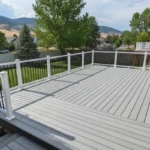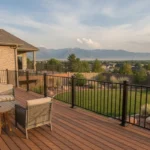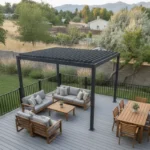
If you are searching for “deck add value Utah,” you are probably weighing two questions: Will a deck make your home more appealing, and will the benefit justify the investment? A well-planned deck can improve how a home functions and how buyers experience its outdoor space. But no contractor can promise a set increase in resale price. The result depends on your property, the design, the work required, and what buyers value when you sell.
Request a free deck consultation and estimate
Can a deck add value to a Utah home?
A deck may support a home’s appeal by creating useful outdoor space, improving access to the yard, and making indoor-outdoor living feel more natural. For some buyers, a finished place to dine, relax, or gather is a meaningful advantage. A deck can also help a home feel more complete when the yard slopes, the back door sits above grade, or the existing outdoor area is difficult to use.
That does not mean the deck’s construction cost will be added dollar for dollar to the sale price. Resale value is affected by many factors beyond one improvement: the local market, comparable homes, property condition, workmanship, and the buyer’s own plans. A deck can be a selling point without producing a predictable financial return. Treat it as a home improvement with both practical and potential resale benefits, not as a guaranteed profit.
University of Central Florida’s review of home improvement projects lists backyard patios and deck additions among projects homeowners should weigh carefully for return. That is a useful reminder to assess the specific project and property rather than assume every outdoor upgrade pays back in the same way. Read the University of Central Florida’s discussion of home improvement return.
What makes a deck feel valuable to buyers?
Buyers tend to notice whether an outdoor space feels useful, safe, and in keeping with the home. A deck that fits the house and yard can help a buyer picture daily use. A poorly placed or awkwardly sized platform may do the opposite, even if it uses attractive materials.
- Practical access: A clear connection from a frequently used room to the deck makes the space feel like a natural extension of the home.
- Usable dimensions: Plan enough room for the activities you expect, such as a dining table, chairs, or an open path through the space. Avoid adding area that has no clear purpose.
- Good circulation: Consider door swings, stairs, gates, and walking routes. People should be able to move between the home, deck, and yard without navigating around furniture or obstacles.
- Comfort and privacy: Shade, screening, or a nearby pergola may help the deck work in more conditions. Design these features around the site rather than adding them without a plan.
- Sound construction: Sturdy framing, appropriate footings, secure connections, and well-finished edges matter to both everyday use and buyer confidence.
- Visual fit: Colors, railings, stairs, and proportions should complement the home and landscape. A coherent design usually feels more intentional than a collection of unrelated additions.
Think about the view from inside as well as from the yard. A deck may frame a garden or mountain outlook, but it can also block a window or create a direct view into a neighbor’s space if its placement is not considered. Small planning decisions can affect how the finished project feels.
For layout inspiration, explore deck design ideas for Utah homes. If a deck and shade structure are part of the same plan, compare the design considerations in this custom pergola service overview as well.
Which deck choices can affect long-term appeal?
Material, layout, detailing, and maintenance all shape how a deck performs over time. Utah homes face strong sun, seasonal temperature swings, and winter weather. The right material and construction approach depend on the site and the homeowner’s priorities, not on a one-size-fits-all formula.
Composite decking is often considered by homeowners who want a lower-maintenance surface than traditional wood. TimberTech is a material option Dynamic Deck Pros works with and the company markets itself as a TimberTech Gold Contractor. Composite products still need routine care, and their appearance, installation requirements, and warranty terms vary by product. Compare the product information and project details instead of relying on a broad label.
Wood can offer a familiar, natural look, but it generally calls for ongoing attention such as cleaning and protective maintenance. Composite boards may reduce some of that work, though they are not maintenance-free. For a homeowner who plans to sell soon, condition and presentation may matter more than the material category alone. For someone staying longer, the time and upkeep required over years of use may weigh more heavily.
Other details matter too. Stair placement can make the yard easier to reach. Railing style affects the look and the sense of enclosure. A pergola can provide a defined outdoor zone, while an open deck may better preserve sunlight and views. Plan any additional feature as part of the overall design so the result does not feel like an afterthought.
Use this Utah guide to comparing composite decking brands to prepare questions about product differences. For a broader look at design, materials, and project planning, see the company’s custom decking services.
How should you compare the investment with the benefit?
There is no universal calculation that predicts how much a particular deck will add to a Utah home’s sale price. Instead, compare the project’s likely cost and disruption with the benefits you can identify for your household and property. If resale is a priority, also consider whether the proposed work addresses an obvious gap in the home or simply adds features that may not matter to future buyers.
| Decision area | Potential benefit | What to check before deciding |
|---|---|---|
| Deck size and layout | Creates space for specific activities and improves access | Will the area be used, and does it fit the yard without crowding it? |
| Material choice | Shapes appearance, upkeep, and long-term ownership experience | Compare product details, care needs, installation requirements, and warranty information. |
| Repairs or replacement | Can address visible wear or concerns before a sale | Ask whether repair is appropriate or whether the structure needs more extensive work. |
| Added features | May improve comfort, privacy, or access to the yard | Prioritize features with a clear purpose and account for any added design or permit needs. |
| Project timing | Lets you enjoy the deck before selling, if you plan to stay | Consider your expected time in the home, construction schedule, and budget. |
Make a short list of your priorities before requesting an estimate. For example, you may want a dining area near the kitchen, stairs that lead to a level part of the yard, and a surface that fits your maintenance preferences. A contractor can then assess the site and explain the scope, materials, and timeline for a project designed around those needs.
Do not base a decision on a single broad return-on-investment claim. Published estimates may use different regions, project assumptions, market conditions, and definitions of value. Your home may also need work beyond the deck itself, such as correcting a layout issue or addressing existing deterioration. A quote gives you a project-specific starting point; it is not a promise about future resale proceeds.
Should you build a deck for resale or for everyday use?
If you expect to sell soon, focus on condition, fit, and broad usability. A clean, well-maintained deck that connects naturally to the yard may be easier for buyers to appreciate than a highly personalized design. Avoid assuming that extra size or premium add-ons will produce an equivalent increase in an offer. Keep records of the project and product information for future buyers.
If you plan to stay for several years, include your own enjoyment in the decision. Consider how often you will use the space, who will use it, and what would make it comfortable. A deck that supports family meals or a quiet place to sit can be valuable to you even when its precise resale contribution is unknowable.
In either case, check the condition of an existing deck before deciding to expand it. Look for loose or damaged boards, movement, deteriorated connections, and stairs or railings that need attention. A professional site evaluation can help establish whether repair, replacement, or a new layout is the more sensible next step. Dynamic Deck Pros offers deck removal and replacement guidance for homeowners assessing an older structure.
What should you plan before requesting a deck quote?
A thoughtful project brief makes a consultation more useful. You do not need final drawings, but gathering a few details helps clarify the options:
- Define the purpose. Note whether the deck is mainly for dining, relaxing, entertaining, yard access, or a mix of uses.
- Describe the site. Share approximate dimensions, slope, existing structures, access points, and any visible concerns. Photos can help start the conversation, but an on-site assessment may be needed.
- Set priorities. List preferred materials, maintenance expectations, shade or privacy needs, and features you consider optional.
- Ask about approvals. Requirements depend on the project and jurisdiction. Ask who will confirm applicable permits, reviews, or other requirements before construction begins. Dynamic Deck Pros says it manages permits and regulatory compliance as part of its project process.
- Review scope and timing. Ask what is included, what could change the scope, what decisions are still needed, and how the expected timeline will be communicated.
For a step-by-step overview of the process, read the guide to building a new deck. If you are comparing contractors, this article on how to choose deck and fence contractors covers questions that can help you evaluate scope and fit. Dynamic Deck Pros is locally owned, licensed, and insured, and provides free consultations and estimates.
How do you judge whether the project fits your property?
Before treating a deck as a value-adding improvement, look at the whole property and how the proposed space would fit. Start with the yard’s shape and grade. A compact landing may solve an access problem, while a larger platform may be useful where there is room for separate seating and dining zones. On a sloped lot, the structure and stairs may require more planning than a simple platform. The best design is not necessarily the largest one; it is the one that makes the home and yard easier to use.
Next, consider what a buyer would see and how the deck relates to the rest of the home. Is there a natural route from the kitchen or living area? Does the deck connect to a usable part of the yard? Are there visible maintenance issues elsewhere that may draw attention first? A new outdoor space cannot resolve unrelated concerns, and its contribution may be harder to appreciate if the surrounding landscape or exterior needs attention. Thinking about the complete setting can help prevent spending on a feature that feels disconnected.
It can also help to compare the proposed project with the homes buyers are likely to consider alongside yours. This is not a request to copy a neighbor’s deck or predict a sale price from a listing. Instead, use local examples to understand whether outdoor space is common, what kinds of layouts look practical, and whether your plan would be unusually elaborate for the property. A local real estate professional may offer perspective on buyer expectations, while a qualified contractor can evaluate construction scope. Those are different questions, and neither should be mistaken for a guaranteed return estimate.
Finally, separate essential work from optional additions. Structural repairs, a safe route to the yard, or a practical landing may address a real need. A pergola, privacy treatment, or upgraded railing may be worthwhile if it supports how you will use the space, but each can add design decisions and project scope. Decide which items matter most, then ask for the base project and optional elements to be clearly explained. This makes it easier to compare alternatives without assuming each upgrade has the same effect on resale appeal.
Permits and local rules are another part of a realistic plan. Requirements can vary by jurisdiction and by project details, so confirm what applies to your address before construction. Dynamic Deck Pros says it manages permits and regulatory compliance as part of its process; homeowners can also review this overview of deck building permits in Utah as they prepare questions. Clarifying approvals early helps establish the project scope and can reduce last-minute surprises.
Frequently asked questions about deck value in Utah
Does a new deck guarantee a higher sale price?
No. A deck may improve functionality and buyer appeal, but a specific increase in sale price is not guaranteed. Market conditions, property features, workmanship, and buyer preferences all influence the outcome.
Is a composite deck always a better investment than wood?
Not for every homeowner or property. Composite and wood differ in appearance, upkeep, product features, and project requirements. Compare the specific options and consider how long you expect to own the home and how much maintenance you are willing to do.
Should I repair an older deck before selling?
Start with an assessment of its condition and safety. A targeted repair may address the main concern, while a more extensive problem may call for a different plan. Get a project-specific evaluation rather than assuming that a full replacement is necessary.
How can I learn what a deck project will cost?
Request an estimate based on your site, design, material selections, and project scope. Dynamic Deck Pros uses quote-based pricing and does not publish a public price list, so an on-site evaluation is the practical way to discuss your project.
Plan a deck around your home and priorities
A deck can add useful outdoor living space and strengthen the overall experience of a home, but its financial return is not fixed. Focus on a sound structure, a layout that suits the property, materials you understand, and features you will actually use. Those decisions create a clearer basis for comparing the investment with the benefits.
Talk with Dynamic Deck Pros about your deck plans
When resale is part of the decision, weigh the deck’s condition and usefulness alongside your expected time in the home; when daily enjoyment matters most, design for the way you live now. A site-specific consultation can help you understand the next steps without treating resale value as a promise.
Get a free consultation and estimate for your Utah deck
A well-planned project starts with clear priorities and a realistic understanding of what the finished space can—and cannot—promise.