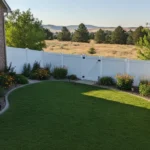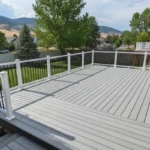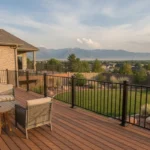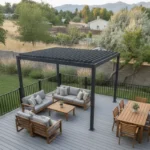
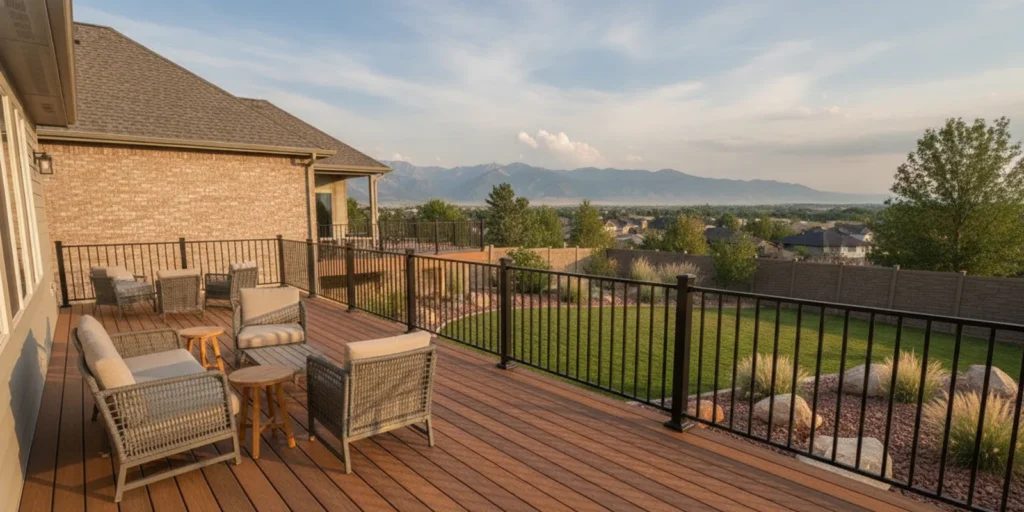
Choosing TimberTech decking for a Utah home involves more than picking a board color. You will also need to consider how the deck connects to your home, the amount of sun and snow it will face, the framing and railing details, and the maintenance you want to take on. A clear plan makes it easier to compare options and request a quote that reflects your actual project.
Request a TimberTech deck consultation
What should Utah homeowners know about TimberTech decking?
TimberTech is a composite decking option for homeowners who want an outdoor living surface without the recurring staining and sealing associated with many wood decks. The right product and design still depend on your home, budget, exposure, and intended use. Treat a deck as a complete assembly: boards, substructure, fasteners, stairs, railing, and the way water drains all affect the finished space.
Utah conditions deserve attention during planning. Strong sun, freeze-thaw cycles, and snow can put stress on outdoor structures and materials. Those conditions do not point to one universal deck design. They make accurate site measurements, suitable construction details, and product-specific installation instructions important. Ask your contractor to explain how the proposed layout and construction account for the conditions at your property.
TimberTech product lines and options can change, so confirm current product names, colors, board profiles, and documentation with the manufacturer and your installer before making a final selection. Dynamic Deck Pros markets itself as a TimberTech Gold Contractor. Ask how that status applies to your project and which specific materials and installation details will be included in the written proposal.
How do you choose TimberTech decking for your project?
Start by identifying what you want the deck to do. A quiet sitting area has different space needs from a deck planned for outdoor dining, gatherings, or access to a yard. Think through how people will move between the home, stairs, gates, and the rest of the outdoor space. These everyday details can help you decide where to invest in size, railing, and features.
- Use: List the activities the deck should support, such as dining, relaxing, or connecting doors to the yard.
- Exposure: Note which areas get direct sun, shade, wind, or snow accumulation at different times of day.
- Appearance: Compare available board colors and finishes with your home exterior and surrounding landscape.
- Upkeep: Consider how often you are willing to clean the surface and what care the selected product requires.
- Project limits: Identify property lines, existing structures, access points, and any neighborhood requirements that may affect the layout.
Then review the current TimberTech product options with your contractor. Ask which collection and board profile are being proposed, what installation instructions apply, and whether the appearance you selected is available for the project. A sample viewed outdoors can look different from a small screen image, so compare colors in the light where the deck will sit if samples are available.
When reviewing a sample, look at it beside more than one part of the house. Compare it with the siding, trim, doors, and nearby hardscape rather than judging it in isolation. If the deck will have a border or contrasting stair treads, ask to see how those selections work together. A single accent board can look appealing on a sample rack but may become visually dominant across a large surface. Conversely, a subtle color can appear lighter or more prominent in direct sun. Viewing a few options outdoors at different times of day can help you narrow the palette before the design is finalized.
Also ask how board orientation will affect the appearance and the construction plan. Long runs can create a clean visual line, while a border or a change in direction can define dining or seating zones. The proposed framing and fastening details must support the chosen pattern, so settle those choices before work begins. If the project has an unusual shape, ask how the layout handles edges, corners, and transitions to steps. These details make the finished result look intentional and can reduce last-minute changes.
For broader material context, review Dynamic Deck Pros’ custom decking services and the site’s composite decking guide for Utah homeowners. Keep this decision focused on the product and project fit rather than assuming every composite board performs or installs the same way.
Which design details matter before installation?
A good deck plan starts with the house and the yard, not only the board pattern. The finished deck should work with door locations, existing grades, paths, and the way you use the backyard. A contractor can help turn those constraints into a practical layout and explain the trade-offs before construction begins.
Plan the footprint and access
Measure the available area and mark the doors, windows, utilities, trees, and other fixed features that affect the build. Decide where the main activity area belongs and how people will get on and off the deck. Stairs placed on the wrong side can interrupt furniture space or create an inconvenient route to the yard. If the site slopes, ask how the proposed height and access points affect the overall design.
Make a short list of must-haves and nice-to-haves. For example, a dining table may be essential, while a built-in bench may be optional. This gives your designer a useful basis for comparing layouts without expanding the project around features you may not use.
Coordinate boards, railing, and stairs
Board direction, borders, transitions, and railing all contribute to the finished appearance. They also have to fit the deck’s framing and the product’s installation requirements. Review a drawing or written scope that identifies the deck dimensions, stair locations, railing areas, and any special details before approving the work.
Stairs and railings are functional parts of the project, not finishing touches to decide at the last minute. Consider where a handrail is useful, where the steps land, and how the route works in different weather. The deck stairs planning guide and deck railing options overview can help you prepare questions about those details.
Think about shade and adjoining structures
If you may add a pergola or another shade structure, bring that up during the deck design conversation. Its location can affect usable space, connections, and the look of the whole yard. Do not assume an existing deck can support a new structure without review. Explore the available custom pergola design service if a shade feature is part of your plans.
How should a TimberTech deck be planned for Utah weather?
Sun, snow, and seasonal temperature changes are part of the site conditions to discuss before work starts. A contractor should evaluate the deck location and follow the current manufacturer instructions for the selected product. Ask how the proposal handles drainage, ventilation, framing, fastening, and other construction details relevant to the specific site and product.
Snow and moisture management should be considered in the layout and construction, not left as an afterthought. Discuss where water will flow, whether the area under the deck needs access, and how the deck connects to the house. For an elevated deck, ask how the design addresses the applicable structural requirements and local review. Requirements vary with location and project conditions, so avoid relying on a generic rule of thumb in place of a site-specific plan.
Local permits and building requirements may apply depending on the project. Ask who will confirm the requirements for your address and what approvals are needed before construction. Dynamic Deck Pros states that it manages permits and regulatory compliance when applicable. Its Utah deck permit guide offers further questions to raise during early planning.
What should you compare in a project quote?
There is no useful one-size-fits-all price for a custom deck. Size, site access, height, stairs, railing, removal needs, product selection, and design complexity can change the scope. Dynamic Deck Pros uses project-specific quotes rather than a public price list. When you compare proposals, make sure you are comparing the work and materials described, not just the final number.
| Quote detail | What to check | Why it matters |
|---|---|---|
| Decking product | Product line, board profile, color, and included quantities | Confirms what material the proposal covers |
| Deck layout | Dimensions, board direction, borders, and transitions | Connects the quote to the design you approved |
| Structure and site work | Framing scope, footing details, access, drainage, and removal if needed | Shows how site conditions and preparation are addressed |
| Stairs and railing | Locations, dimensions, materials, and included sections | Prevents important safety and access items from being overlooked |
| Permits and schedule | Who coordinates approvals and what timeline is anticipated | Clarifies responsibilities and project sequence |
| Warranty documentation | Applicable product terms and any stated labor-replacement coverage | Helps you understand what documents apply to the selected product |
Ask whether the quote includes demolition and disposal of an existing deck, site preparation, finishing details, and cleanup. If those items are not included, find out whether they are outside the scope or still need to be priced. A written scope helps you resolve differences before the project begins.
For a useful comparison, line up each proposal by the same decisions: product selection, dimensions, stairs, railing, and site preparation. If one quote includes a larger landing or more railing than another, the totals are not describing the same job. Ask for unclear items to be stated in writing, including what happens if concealed conditions require a change. You can also confirm whether the estimated schedule includes design and approval time or refers only to on-site construction. This makes it easier to compare scope and expectations without treating a lower total as automatically equivalent.
What should you know about TimberTech warranty terms?
Warranty coverage depends on the product and the applicable documentation. Customer-supplied TimberTech warranty information identifies a limited labor-replacement warranty with 5-year or 7-year terms and Standard or Maximum Protection System tiers. Those details should not be treated as a blanket promise for every board or project.
Before approving a product, ask for the current warranty documents that apply to the exact TimberTech selection. Confirm the stated term, protection tier, what the labor-replacement coverage means, and any requirements or exclusions in the written terms. Keep the product information and project paperwork with your home records. The proposal and current manufacturer documentation, rather than a broad summary, should guide your understanding of coverage.
What maintenance does TimberTech decking need?
Composite decking is often chosen to avoid recurring staining and sealing, but it still needs ordinary care. Follow the cleaning directions for the specific product, remove debris as appropriate, and use only cleaning methods and products allowed by its instructions. Do not assume that a cleaning method suitable for one deck surface is suitable for another.
It can help to plan for routine checks as well as cleaning. Look for debris collecting near the house or between boards, and keep drainage paths clear. If you notice movement, damage, or a detail that concerns you, ask a qualified professional to assess it rather than trying an unapproved repair. See the composite decking care guide for additional cleaning questions to discuss.
What happens during a TimberTech deck project?
The exact sequence depends on the project, but a clear process usually moves from site review and design decisions to a written scope, approvals where required, and construction. Dynamic Deck Pros offers consultations and estimates, and states that it provides a comprehensive timeline upfront. Use the early conversation to clarify decisions that can change the scope.
- Discuss goals and site conditions. Share how you want to use the deck, what is already on site, and any access or layout concerns.
- Review the design and product. Confirm dimensions, TimberTech selection, color, board profile, stairs, railing, and related features.
- Clarify the written quote. Check included work, exclusions, project responsibilities, and the anticipated timeline.
- Confirm permits and preparation. Determine which approvals apply and agree on the steps required before construction.
- Review the completed work. Discuss care instructions and collect applicable product and project documentation.
Before work begins, make sure you know how the contractor will communicate changes or unexpected site conditions. Ask who your point of contact is, how access to the yard will work, and what needs to be moved or protected. These practical details help set expectations for everyone involved.
How can you prepare for a TimberTech decking consultation?
You do not need to arrive with a finished drawing. A few notes and photos can make the first conversation more productive. Gather the following if they are available:
- Approximate deck dimensions or a simple sketch of the area.
- Photos of the house connection, yard, existing deck, and any access challenges.
- A list of the activities and furniture the deck should accommodate.
- Examples of colors or design details you like, plus elements you want to avoid.
- Questions about permits, schedule, product documentation, and maintenance.
Dynamic Deck Pros serves homeowners across Northern and Central Utah. You can also review its service areas and project gallery to prepare for a discussion about your outdoor space.
Talk with Dynamic Deck Pros about your deck plan
Frequently asked questions about TimberTech decking
Is TimberTech decking a fit for Utah homes?
It may be a fit, but product selection and construction details should be matched to your home, site, and intended use. Ask your installer to review the current product instructions and explain how the project accounts for local conditions.
Does composite decking mean no maintenance?
No. It can reduce the need for some recurring wood-deck treatments, but it still requires cleaning and care according to the product’s instructions. Confirm which methods are appropriate for the exact boards you select.
Does every TimberTech product have the same warranty?
No. Confirm the current warranty document for the specific product and the applicable protection tier. The customer-supplied information describes limited labor-replacement warranty terms of 5 or 7 years and Standard or Maximum Protection System tiers; your product paperwork should establish what applies to your selection.
Can an existing frame be reused?
That depends on the existing structure, its condition, dimensions, and whether it meets the requirements for the new decking and project. Have a contractor evaluate it before assuming reuse is suitable or included in the quote.
How do I get an accurate estimate?
Request a site consultation and share your priorities, approximate dimensions, photos, and preferred features. A project-specific evaluation can clarify the design, materials, scope, and timeline.
Plan a TimberTech deck that fits your home
A successful TimberTech decking project starts with a clear scope and careful coordination of product selection, layout, site conditions, and construction details. Bring your questions to a consultation, review the written proposal and applicable product documents, and choose a plan that supports the way you want to use your outdoor space.
Request a free consultation and estimate
With the right decisions made before work begins, you can move forward with a deck plan designed for your home and the way you enjoy the outdoors.