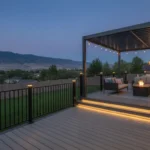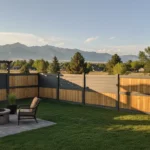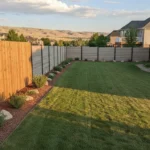
Planning a fence in Utah involves more than choosing a style and marking the property line. City or county rules, HOA covenants, property boundaries, utilities, and permits can each affect what you may build and where it can go.
Schedule a Utah fence consultation with Dynamic Deck Pros.
The safest approach to fence building regulations utah hoa projects is to verify your municipality’s current requirements, review your HOA’s architectural rules, and obtain written approval before installation. Requirements vary by location, so a rule that applies in one Utah community may not apply in another. This guide is informational, not legal advice.
Those layers can feel complicated, but separating them makes the process manageable. Start with the local rules that govern your lot, then compare them with the HOA standards and your site’s practical constraints. From there, a qualified contractor can help with evaluation, design, and compliance through fencing and outdoor living services.
How Fence Building Regulations, Utah Code, and HOA Rules Work Together
Utah homeowners generally need to consider more than one layer of requirements before building a fence. State law provides a broader framework, but cities and counties apply their own zoning, land-use, setback, height, and permit rules. In practice, the answer can change based on the municipality, the fence’s location on the lot, the street layout, and the property’s zoning district. Confirm the current requirements with the city or county where the property is located rather than relying on a statewide rule.
A commonly reported Utah pattern is a lower fence in the front yard and a taller fence along the side or rear property lines. Some municipal summaries describe front-yard limits of about 3 to 4 feet and side or rear limits of about 6 feet. That pattern is a starting point for questions, not permission to build. Local code may use different measurements, distinguish between open and solid fencing, or impose additional visibility and setback conditions. Verify the exact requirements with the municipality that governs your property.
Salt Lake City is one example of why location matters. Salt Lake City’s Building Services FAQ says fence installation requires a building permit. That is a city-specific example, not a statewide rule. Other municipalities may use different permit thresholds or may not require a building permit for certain fences while still requiring compliance with city standards. Review Salt Lake City’s current fence-permit guidance before relying on this example.
For example, South Jordan’s official guidance says fencing requirements depend on the fence’s location, street type, and zoning district. It also states that a building permit is required for a fence 7 feet tall or more, while fences below that height still have to meet city standards. These details show why a fence that appears acceptable in one neighborhood may need a different design or approval process elsewhere. See the South Jordan fencing guidance for that municipality’s current examples.
Before finalizing a design, verify:
- The city or county code that applies to the property.
- Whether a building, zoning, or land-use permit is required.
- Height and placement limits for front, side, rear, and street-facing yards.
- Visibility, corner-lot, driveway, retaining-wall, and public-right-of-way conditions.
- Property-line information, utility considerations, and any separate HOA approval.
These checks are especially important when researching fence building regulations in Utah alongside HOA requirements. This article is general information, not legal advice. If a project involves an unusual lot, a boundary question, or conflicting requirements, ask the relevant municipality and HOA for written direction before construction begins.
How HOA Fence Rules Differ from City and County Requirements
When a property is part of an HOA, a fence project may need to satisfy more than one set of rules. City or county requirements govern land use, safety, placement, and permits. HOA covenants or architectural guidelines govern the appearance and design standards the community has adopted. These systems overlap, but one does not replace the other.
Municipal code and zoning requirements
Your city or county may regulate fence height, visibility, setbacks, materials, and location on the lot. The applicable rule can depend on the fence’s position, the type of street, the zoning district, and whether the property is on a corner. For example, South Jordan says its fencing requirements depend on location, street type, and zoning district. And its guide states that fences seven feet or taller require a building permit. Those details are specific to that jurisdiction, not a statewide rule. Check your municipality’s current planning or building guidance before relying on a height or permit threshold.
Some areas also have special considerations for rights-of-way, driveways, sight lines, retaining walls, or street-facing yards. A fence that looks acceptable from the backyard may still create a compliance issue if it affects visibility or extends into a restricted area.
HOA covenants and architectural approval
An HOA may impose additional standards for fence material, color, height, spacing, placement, or design. It may also require written architectural approval before installation. A typical application can include a request form, material or style samples, and a site plan, although each association sets its own process. Review your governing documents and ask the HOA or architectural committee for the current submission requirements.
HOA approval does not authorize construction that violates city or county code. Conversely, a permit or confirmation from the municipality does not mean the HOA must accept the design. If the HOA allows a six-foot privacy fence but local rules limit that location to a lower or more open design, the local restriction still matters. If local code allows a material that the HOA prohibits, the association’s private covenant may still prevent that selection.
Boundaries, utilities, and neighbor concerns
Neither an HOA approval nor a municipal review necessarily settles the exact property line. Confirm the proposed fence location before construction, especially near shared boundaries, easements, slopes, or retaining walls. Utility locations are another separate consideration. Treat city or county code, HOA rules, property boundaries, utilities, and permits as distinct approval layers, then resolve each one before scheduling installation.
Keeping those layers separate makes the process clearer and reduces avoidable revisions. When requirements are unclear, a qualified local contractor can help organize the site evaluation, design documents, and permitting questions while you confirm the final requirements with the responsible city, county, and HOA offices.
Common HOA Fence Restrictions in Utah Communities
HOA review is often more detailed than a simple question of whether a fence is allowed. Covenants or architectural rules may address the fence’s appearance, location, and upkeep, while city or county requirements apply separately. Rules vary by community, so treat the examples below as a planning checklist, not a statewide rule. Review your current HOA documents and confirm local requirements before ordering materials.
| Restriction | What the HOA may review | What to confirm |
|---|---|---|
| Height | Maximum height by yard, fence style, or lot type. Front and side-yard limits may differ. | Whether the proposed height meets both HOA standards and the applicable city or county code. |
| Materials | Approved materials, picket or panel style, openness, posts, gates, and hardware. Some communities specify a particular material or height. | Whether the selected product and details are on the approved list. You can compare Utah fence materials before submitting a design. |
| Color and finish | Permitted colors, stains, paint, finishes, and whether the appearance must coordinate with nearby homes. | Whether color samples or manufacturer information must accompany the application. |
| Finished side | Which side of the fence faces neighboring property, streets, trails, or common areas. An HOA may expect the finished side to face outward. | How posts, rails, and gates will appear from every public or neighboring viewpoint. |
| Placement and visibility | Setbacks, property lines, easements, corner-lot sight lines, driveway visibility, and distance from sidewalks or retaining walls. | Where the property boundary is located and whether a survey, site plan, or clear-view area is needed. Local rules can be especially specific on corner lots. South Jordan, for example, limits obstructions in clear-vision areas, but that does not make the same restriction universal across Utah. Review South Jordan’s current residential fencing guide for that municipality’s examples. |
| Maintenance and boundaries | Responsibility for staining, cleaning, repairs, vegetation, shared fences, and access for maintenance. | Who maintains each side, how shared costs are handled, and whether the fence may cross an easement or property line. |
Some HOA applications ask for a request form, material or style samples, and a site plan showing the proposed placement. A complete packet can make the review easier, but it does not replace municipal approvals, utility checks, or property-boundary verification. Keeping those approval layers separate is an important part of following fence building regulations utah hoa requirements responsibly.
How to Get HOA Approval for a New Fence in Utah
HOA approval is easier when the board can evaluate a complete, location-specific request. Treat the HOA review as one approval layer, separate from city or county rules, property boundaries, utility considerations, and permits. Requirements vary by community, so use this checklist as a practical starting point rather than a promise of approval.
-
Obtain the current covenants and design guidelines
Ask your HOA or management company for the latest governing documents, architectural-review instructions, application form, and submission schedule. Look specifically for rules about fence height, material, color, visibility, placement, gates, and maintenance. Do not rely on an old approval packet or a neighbor’s fence as proof that your proposal is allowed. HOA standards may be stricter than county requirements, and some communities have separate rules for specific neighborhoods or phases.
-
Confirm the city or county requirements
Before finalizing the design, contact the municipality with jurisdiction over the property. Verify applicable zoning, height, setback, sight-line, right-of-way, and permit requirements for your lot. Local rules can depend on the fence location, street type, zoning district, or whether the property is a corner lot. If the HOA guide and local code appear to conflict, ask both authorities how to proceed. HOA approval does not replace compliance with public regulations.
-
Prepare a clear site plan
Show the property lines, house, existing structures, proposed fence line, gates, setbacks, adjacent streets, and any notable features such as retaining walls or driveways. Confirm the boundary before placing the fence, particularly when the line is near a neighbor or shared improvement. A simple, readable plan gives the reviewer enough context to evaluate placement and visibility instead of making them guess from a photo.
-
Include material, color, and style information
Attach product details, photographs, finish or color samples, fence height, post and gate details, and any manufacturer information requested by the HOA. If you are still comparing options, compare Utah fence materials before submitting. Your packet should describe the exact proposal the board will review, not a broad range of possible designs.
-
Submit the request in writing
Send the completed form and supporting documents through the HOA’s required channel. Keep a copy of every page, attachment, photograph, and email, and note the submission date. If the board requests revisions, respond with an updated plan rather than beginning work while the request is still under review.
-
Wait for a written decision, then coordinate the work
Do not schedule installation based on a conversation, silence, or an informal comment. Wait for written HOA approval and review any conditions attached to it. Then complete any required city or county permit steps, call for utility-location information when appropriate, and confirm the final layout with your contractor. A qualified professional can help assemble the plan and revise it during review. Choose a qualified fence contractor who will keep the approved design aligned with the installation plan.
What Happens If You Build a Fence Without HOA Approval?
Starting construction before receiving required HOA approval can create a problem even when the fence appears to meet city or county requirements. HOA covenants and architectural rules may regulate materials, height, color, placement, or design separately from local code. In some Utah communities, those private rules can be stricter than the applicable county standards.
Potential consequences vary by the governing documents, the association’s enforcement process, and the facts of the project. Depending on those documents and the notice process, an association may issue a violation notice, assess fines where authorized, or require the owner to modify or remove noncompliant work. These are possible outcomes, not automatic results for every homeowner. Review the association’s current declaration, bylaws, architectural guidelines, and enforcement provisions before assuming what will happen.
Why local code compliance may not be enough
Meeting municipal requirements does not necessarily satisfy an HOA. For example, a fence could be acceptable under a city standard but use a material, color, or placement that the community does not permit. The reverse can also create trouble: HOA approval does not replace any city or county permit, zoning review, property-line verification, or utility consideration that applies to the project. Treat each requirement as a separate approval layer.
A practical way to cure the problem
If work has already started, avoid making the situation harder to resolve:
- Pause construction. Do not continue adding sections until you understand the requirements and any notice deadline.
- Request the records. Ask the HOA for the current architectural rules, application instructions, and enforcement policy in writing.
- Communicate in writing. Keep your explanation factual, save notices and correspondence, and ask what documentation is needed to review the project.
- Revise the plans. Adjust the height, material, color, placement, or other details if the governing documents require changes.
- Confirm approval. Obtain written confirmation before resuming work, and separately verify any municipal requirements.
This is general information, not legal advice. If the HOA has issued a formal notice, consult the association’s governing documents and consider speaking with a qualified attorney about your specific situation. A careful site evaluation and documented plan can help reduce avoidable approval issues before installation begins.
How Dynamic Deck Pros Helps Navigate HOA Fence Approvals
HOA fence projects often require more than choosing a style and scheduling installation. You may need to coordinate community rules, local requirements, property boundaries, utilities, and permits before construction begins. Dynamic Deck Pros helps Northern and Central Utah homeowners organize those moving parts into a practical plan while keeping the final decision with the applicable HOA and local authorities.
Start with the property and the approval layers
The process begins with a consultation and site evaluation. This gives the team an opportunity to understand your goals, review the property conditions, and identify questions that could affect the fence location or design. A fence near a property line, street, driveway, utility area, retaining wall, or shared boundary may need closer review than a straightforward backyard installation.
Dynamic Deck Pros treats city or county code, HOA covenants or architectural rules, property boundaries, utilities, and permits as separate approval layers. That distinction matters. An HOA may have its own requirements for height, materials, color, placement, or appearance, and HOA approval does not automatically replace a city or county requirement. Homeowners should also confirm current rules directly with their municipality and HOA, since requirements can vary by location and community. This guide is part of our broader Utah outdoor-living services resource.
Develop a design that is ready for review
After the site evaluation, Dynamic Deck Pros can develop a custom fence design around the property, the intended use, and the applicable restrictions. The design process includes consultation, site evaluation, custom design, feedback and revision, followed by a final plan and quote. If your HOA requests drawings, material information, or other project details, a clear design package can make it easier to present the proposal for review.
Revisions are part of the planning process, not a sign that the project has failed. An HOA may ask for a different material, color, height, or placement. Addressing those comments before installation can reduce the chance of having to redesign work after materials are ordered or construction has started. You can also explore residential fence installation options before discussing which approach fits your property and community requirements.
Coordinate compliance without promising approval
Dynamic Deck Pros states that it manages project permitting and designs for applicable local-code compliance. As a licensed General Contractor and licensed General Engineering Contractor, the company is also fully insured. Those credentials support a more structured planning process, but no contractor can guarantee that an HOA or municipality will approve a particular proposal. The safest approach is to submit the appropriate plan, respond to requested revisions, and obtain written approval before installation when the community requires it.
Once the project details are reviewed, you receive a final plan and quote based on the work involved. There is no public price to apply to every HOA fence project because site conditions, design choices, and approval requirements differ. A conversation with the team can clarify what information is needed next and whether the project is ready for formal review.
Request a free consultation or custom quote from Dynamic Deck Pros.
Frequently Asked Questions
Can I install my own fence with an HOA?
Usually, you can do the physical work yourself if your HOA allows it, but you still need to follow the association’s architectural-review process. Check the covenants for material, color, height, placement, and submission requirements, and obtain written approval before starting. HOA approval does not replace any city or county zoning requirements, permits, property-line checks, or utility considerations.
Is a fence considered a structure in an HOA?
Many HOAs treat a fence as an exterior improvement or structure that requires architectural approval, even when local rules do not require a building permit. The controlling language is in your governing documents and design guidelines. Ask the HOA which application, site plan, material samples, and supporting documents it requires, then confirm the project with the municipality.
Why do HOAs not allow privacy fences?
An HOA may limit a fully opaque fence to preserve neighborhood appearance, visibility near streets and driveways, open-space character, or consistency among homes. The restriction is not universal. Some communities permit privacy fencing in side or rear yards while requiring different designs in front or street-facing areas. So review the current rules for your lot before choosing a material or layout.
What are the key changes in Utah HOA laws for 2026?
There is no single statewide fence rule that answers every HOA project, and this article does not establish a complete list of 2026 legal changes. Requirements can come from current Utah law, your HOA documents, and city or county zoning. Confirm the latest requirements directly with your HOA and municipality before ordering materials or scheduling installation. Local rules can control height, location, materials, and permits, so use the responsible public office’s current guidance for your property.
Ready to plan your Utah fence?
Fence requirements can involve local rules, HOA standards, property lines, and approval paperwork. A site-specific review can help you organize those details before installation and choose a practical path forward. Call or text Dynamic Deck Pros at (801) 406-3325 to schedule a free consultation and discuss a custom fence quote.