So, you’ve decided to add or replace your deck stairs. The first big question you need to answer is: should you build them yourself or hire a professional? A DIY project can be incredibly rewarding, but building stairs requires a high level of precision. One wrong calculation can lead to an awkward, unsafe staircase. This guide is designed to give you a clear picture of what the job entails, from calculating the rise and run to understanding local building codes. We’ll help you honestly assess your skill level so you can make an informed choice and feel confident in your decision, whether you pick up the tools yourself or call in an expert.
Key Takeaways
- Connect Your Deck and Yard with Style: Your stairs are more than a path; they define the flow of your outdoor space. Choose a style like wide, curved, or L-shaped and add features like lighting or landings to create a beautiful and practical transition.
- Choose Materials for Your Lifestyle: The material you pick, from pressure-treated wood to low-maintenance composite, determines your budget and future upkeep. Consider Utah’s weather and how much time you want to spend on maintenance when making your choice.
- Prioritize Safety with Proper Construction: Building safe stairs requires precise measurements and strict adherence to local building codes. Because of the safety risks and complexity, hiring a licensed professional is the best way to ensure your stairs are structurally sound and built to last.
Explore Deck Stair Styles
Your deck stairs are more than just a way to get from your deck to the yard; they are a major design feature that can define the entire look of your outdoor space. The right style can create a grand entrance, save valuable space, or even offer extra seating for guests. When you’re planning your project, it’s easy to focus on the main deck area, but the stairs deserve just as much attention. They connect your indoor and outdoor living areas and can set the tone for your entire backyard.
Thinking about how you’ll use your deck and the overall aesthetic you want to achieve will help you choose the perfect stairs. Do you need a simple, direct path to the lawn? Or are you picturing a dramatic, sweeping staircase that makes a statement? The choice you make will impact foot traffic, safety, and the overall flow of your outdoor environment. From classic straight designs to elegant curved ones, the possibilities are endless. Let’s look at some popular options to see what might be the best fit for your Utah home and how you can use them to complement your landscape. We’ll cover everything from the most practical choices to those that add a serious wow factor.
Straight Stairs
Straight stairs are the most common and straightforward option. Their simple, linear design makes them easy to build and cost-effective. But don’t mistake simple for boring. You can easily customize straight stairs to match your deck’s personality. Think about using different materials for the treads and risers, or adding unique custom railing to create a standout look. Their classic design works well with almost any deck style, from rustic to modern, making them a versatile choice for connecting your home to your backyard.
L-Shaped and Switchback Stairs
If your deck is high off the ground, L-shaped or switchback stairs are an excellent choice for safety and style. These designs use a flat landing to break up a long flight of stairs and change direction, creating a more comfortable and less imposing descent. Landings are typically recommended for every 12 feet of vertical rise, making the journey safer for everyone. This style also offers a great design opportunity, allowing you to create a small, defined space that adds architectural interest to your custom deck.
Spiral Stairs
When space is at a premium, spiral stairs are a fantastic solution. Their compact, vertical design takes up a much smaller footprint than traditional stairs, leaving you with more room on your deck and in your yard. Spiral stairs bring a modern and elegant feel to any outdoor area. They are often made from metal, which adds a sleek, industrial touch that can beautifully contrast with the wood or composite of your deck. This style is perfect for smaller decks, second-story balconies, or tight corners where other stair types just won’t fit.
Wide Stairs with Built-In Seating
For a truly impressive and inviting entrance to your yard, consider wide stairs. This style creates a gradual, sweeping transition that feels luxurious and open. The extra width makes them feel less like stairs and more like a natural extension of your deck. You can take this design a step further by incorporating built-in benches or planters into the sides of the steps. This not only adds functional seating but also turns your stairs into a unique gathering spot. Check out our gallery to see how custom features can transform a simple staircase.
Curved and Angled Stairs
Curved and angled stairs offer a soft, organic look that can make your deck feel seamlessly integrated with your surrounding landscape. Unlike the straight lines of traditional stairs, a gentle curve or a series of angles can create a custom, high-end feel that elevates your entire outdoor design. This style is perfect for decks with rounded edges or for creating a unique focal point in your backyard. Building curved stairs requires a high level of skill and precision, but the stunning result is a one-of-a-kind feature that adds flow and elegance to your home.
Find the Right Material for Your Deck Stairs
Choosing the right material for your deck stairs is one of the most important decisions you’ll make. It impacts everything from the final look and long-term durability to your maintenance routine and overall budget. Your stairs are a high-traffic area, so you need a material that can handle constant use and Utah’s diverse weather, from snowy winters to sunny summers. Let’s walk through the most popular options so you can find the perfect fit for your home and lifestyle. Each material has its own unique benefits, and understanding them is the first step in creating a beautiful and functional custom deck.
Pressure-Treated Lumber
Pressure-treated lumber is the go-to choice for many homeowners, and for good reason. It’s affordable, readily available, and has been chemically treated to resist rot and insects, making it a durable option for outdoor construction. This classic wood look blends seamlessly with Utah’s natural landscapes. While it’s a budget-friendly workhorse, it does require regular maintenance, like staining or sealing every few years, to protect it from the elements and keep it looking its best. If you love the traditional feel of wood and don’t mind a little upkeep, pressure-treated lumber is a solid, reliable choice.
Composite Decking
If you’re looking for a low-maintenance alternative to wood, composite decking is an excellent option. Made from a blend of wood fibers and recycled plastics, composite materials like Trex are designed to withstand the elements without the need for staining or sealing. They resist moisture, fading, and insects, so you can spend more time enjoying your deck and less time working on it. Composite decking comes in a wide range of colors and finishes, allowing you to get the look of wood without the upkeep. It’s a fantastic, long-lasting choice for busy Utah families. We often use composite materials for custom fencing as well.
Natural Hardwood
For a truly luxurious and stunning look, nothing compares to natural hardwood. Woods like teak, ipe, and mahogany offer a rich color and natural beauty that can’t be replicated. These hardwoods are naturally resistant to rot and insects, making them incredibly durable. However, this premium quality comes with a higher price tag and requires more maintenance, such as regular oiling, to preserve their vibrant color. If you’re aiming for a high-end, sophisticated finish and are prepared for the upkeep, natural hardwood stairs can make a breathtaking statement. You can see examples of these beautiful finishes in our project gallery.
Metal and Steel
Metal and steel are becoming increasingly popular for deck stairs, especially for homeowners wanting a modern, industrial, or minimalist aesthetic. These materials are incredibly strong, durable, and require very little maintenance. Steel stringers can be paired with wood or composite treads for a mixed-material look that is both stylish and sturdy. Metal is also a fantastic choice for railings, offering clean lines and an unobstructed view. If you’re looking for a sleek, long-lasting solution, consider integrating metal components into your stair design. It’s a key element in many of our custom railing services.
PVC
PVC decking is another fantastic low-maintenance option that is completely synthetic. Made from 100% plastic, it offers the ultimate resistance to moisture, rot, and insects, making it ideal for Utah’s snowy climate. Like composite, PVC comes in various colors and styles, but it’s even lighter and contains no wood at all. It won’t splinter, and cleanup is as simple as a quick wash with soap and water. For homeowners who want the most durable, worry-free material available, PVC is a top contender that guarantees your stairs will look great for years to come with minimal effort.
How to Calculate Deck Stair Dimensions
Building deck stairs that are safe, comfortable, and up to code is all about the math. While it might seem a little intimidating, getting the dimensions right is the key to creating a staircase that feels natural to walk on and will last for years. It all comes down to a few key measurements: the total rise, the individual step rise and run, and the stringer layout. Think of it as a simple puzzle where each piece needs to fit perfectly. An uneven step or a wobbly connection can be more than just an annoyance; it can be a serious safety hazard.
Before you make a single cut, you need a solid plan. This involves measuring the height of your deck, figuring out how many steps you’ll need, and making sure each one is identical. Consistency is everything. Even a small variation between steps can create a tripping hazard. We’ll walk through the essential calculations you need to design a sturdy and reliable staircase for your Utah home. If you’re ever in doubt, remember that our team at Dynamic Deck Pros has built countless custom decks, and we have this process down to a science.
Calculate the Rise and Run
First, let’s define our terms. The “total rise” is the overall vertical distance from your landing spot (like a patio or the ground) to the top of your deck’s surface. The “rise” of an individual step is its height, while the “run” is its depth, which is the part you step on. To figure out how many steps you need, you’ll start by calculating the total rise. Once you have that number, divide it by a standard riser height, like seven inches, to get an approximate number of steps. You’ll likely need to adjust the final riser height slightly to make every step perfectly even.
Use the Comfort Formula
Have you ever walked up a set of stairs that just felt awkward? They were probably built without considering ergonomics. A great guideline is the comfort formula, which suggests that the rise and run of a single step should add up to about 18 inches. For example, a 7-inch rise paired with an 11-inch run equals 18 inches, creating a comfortable stride. The International Residential Code (IRC) also sets standards, generally requiring a maximum riser height of 7.75 inches and a minimum run of 10 inches to ensure safety and ease of use.
Size and Space Your Stringers
Stringers are the saw-toothed boards that support your steps, and they are the structural backbone of your staircase. Getting them right is non-negotiable for safety. A secure stair system needs properly supported stringers, a stable landing at the bottom, and secure connections to the deck frame. Each component must work together to create a clear load path that transfers weight safely to the ground. The spacing of your stringers depends on the decking material you use; composite treads often require more support than standard wood to prevent sagging over time.
Avoid Common Measurement Mistakes
A small measurement error at the beginning can lead to big problems down the line. Some of the most frequent issues with deck stairs include uneven risers, stringers that sit directly on the soil where they can rot, and loose connections at the top. These problems often stem from an inaccurate initial measurement of the total height. Always measure from the finished surface of the bottom landing to the top of the deck boards. Taking the time to double-check your math and layout will help you avoid these common pitfalls and ensure your custom deck is safe for everyone.
Meet Utah’s Deck Stair Safety Codes
Building a beautiful deck is exciting, but making sure it’s safe is the most important part of the project. Utah has specific building codes designed to prevent accidents and ensure your deck stairs are secure for your family and friends. Following these rules isn’t just about passing an inspection; it’s about creating a space where you can relax with complete peace of mind. As your local deck builders, we handle all the code requirements, but it’s helpful for you to know what goes into making your stairs safe.
Follow Rise and Run Requirements
Have you ever stumbled on a staircase where one step felt slightly taller or shorter than the others? That inconsistency is what building codes aim to prevent. In Utah, stair safety starts with uniform rise (the vertical height of a step) and run (the horizontal depth). The Utah Code specifies that a riser can’t be more than eight inches high, and the difference between the tallest and shortest riser in a single flight of stairs can’t exceed 3/8 of an inch. This precision ensures a comfortable and predictable rhythm as you walk up or down, significantly reducing the risk of trips and falls.
Install Proper Handrails and Guardrails
Handrails and guardrails are essential safety features, not optional accessories. They provide stability and are your first line of defense against a fall. Because deck-related injuries are surprisingly common, inspectors pay close attention to railings. A secure handrail along the stairs gives you something to hold onto, while sturdy guardrails prevent accidental slips off the side. We ensure your custom railing is installed correctly, at the right height, and with the proper strength to keep everyone safe while adding a polished look to your deck’s design.
Ensure Correct Stair Width and Strength
A safe staircase is a strong staircase. Building one involves more than just attaching treads to a couple of stringers (the angled boards that support the steps). A truly durable deck stair system needs properly supported stringers, secure blocking at the top, and a stable landing at the bottom. Every component must work together to create a clear load path, transferring weight from the stairs into the deck frame and down to the ground. We use exterior-rated hardware and proven construction techniques to make sure your stairs feel solid and secure from day one.
Check Local Utah Building Codes
While state codes provide a baseline, your specific city or county in Utah might have additional requirements. Ignoring these local rules can lead to frustrating delays, failed inspections, or even being forced to tear down and rebuild your work. As experienced local contractors, we are deeply familiar with the building codes across Salt Lake, Utah, and Wasatch counties, among others. Part of our service is managing the permitting process and ensuring every detail of your project, including the stairs, is fully compliant. This lets you avoid the headaches and be confident your deck is built right.
Add Standout Design Features to Your Stairs
Once you have the structure and materials planned, you can focus on the details that will make your deck stairs truly special. These design features aren’t just about looks; they improve safety, add function, and create a seamless transition between your home and your yard. Thoughtful additions like lighting, landings, and railings are what transform a standard staircase into a beautiful, integrated part of your outdoor living space. These are the finishing touches that showcase quality craftsmanship and make your deck feel complete.
Incorporate Stair Lighting
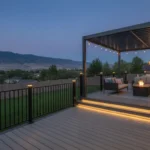
Proper lighting is one of the most effective ways to enhance both the safety and the atmosphere of your deck stairs. As the sun sets, well-placed lights ensure you and your guests can move around confidently, reducing the risk of trips and falls on your way to the yard. But beyond safety, lighting creates a warm and inviting ambiance for evening relaxation or entertaining. You can choose from several options, like subtle lights installed directly into the stair risers or elegant fixtures on the railing posts. You can see how different lighting schemes transform outdoor spaces in our project gallery. This simple feature makes your deck usable and beautiful long after dark.
Choose Non-Slip Treads for Utah Winters
Living in Utah means preparing for snowy and icy winters, and your deck stairs are no exception. Choosing non-slip treads is a critical safety measure that provides essential traction when conditions get slick. Instead of worrying about hazardous slips, you can have peace of mind knowing your stairs are designed for four-season use. Many modern composite decking materials come with textured surfaces that offer a better grip than traditional wood. You can also find specialized treads designed specifically to prevent slipping. This is a practical investment that protects your family and friends while ensuring your deck remains accessible and safe all year round.
Add Landings for Comfort and Safety
If you have a long or tall set of stairs, adding a landing is a smart design choice. As a general rule, it’s a good idea to include a landing for every 12 feet of vertical rise. Landings break up a long climb, making the journey up and down more comfortable and less strenuous. They also provide a crucial safety feature by giving you a place to rest or catch your balance. Beyond their practical benefits, landings offer a great design opportunity. You can use them to change the direction of the stairs, create a small nook for a decorative planter, or simply add visual interest to your custom deck design.
Match Railings to Your Deck’s Style
Your stair railings shouldn’t be an afterthought. They are a key design element that ties the entire look of your deck together. For a cohesive and polished appearance, the railings on your stairs should match or complement the railings on the main deck area. This creates a sense of continuity and makes the entire structure feel intentional and well-designed. Whether your deck is modern, rustic, or traditional, we can help you find the perfect custom railing services to match. From sleek cable and metal to classic wood or low-maintenance composite, the right railing ensures your stairs are safe, durable, and stylish.
How Much Do Deck Stairs Cost?
Figuring out the budget for your deck stairs involves more than just picking out materials. The final price tag is a mix of three key things: the materials you choose, the cost of professional labor, and any necessary permits or inspections. While it’s tempting to focus only on the material price per foot, understanding the whole picture helps you plan without any surprises. Think of it as an investment in your home’s safety, function, and overall value, creating a seamless transition from your deck to your yard.
The complexity of your design will also play a big role in the final cost. A simple, straight set of stairs will naturally be more budget-friendly than a wide, curved staircase with built-in lighting and multiple landings. The height of your deck also matters, as taller decks require longer staircases with more materials and structural support. The best way to get a clear and accurate number for your specific project is to get a custom estimate. A professional can walk you through the options for your space and budget, ensuring the final result is exactly what you envisioned. They’ll account for your home’s layout, your style preferences, and all the local requirements to give you a comprehensive quote.
Material Costs by Type
The material you select for your stairs is one of the biggest factors in your budget. Pressure-treated wood is a popular, cost-effective choice, typically running from $3 to $8 per square foot for materials alone. For a more high-end look, premium natural woods like redwood or cedar can range from $4 to $20 per square foot. These woods offer a beautiful, classic appearance but require regular maintenance to keep them looking their best.
If you’re looking for a low-maintenance alternative, composite decking is an excellent option. Made from a blend of recycled plastic and wood fibers, it resists rot, stains, and fading. The upfront material cost is higher, generally between $5 and $20 per square foot, but it saves you time and money on upkeep over the years.
Labor Costs
Professional labor for building deck stairs typically ranges from $15 to $35 per square foot. This cost covers the skill, precision, and expertise required to build stairs that are not only beautiful but also structurally sound and safe. An experienced contractor ensures every measurement is exact, from the rise and run to the stringer placement. Hiring a licensed and insured team protects you and guarantees the work meets professional standards. Keep in mind that labor costs can fluctuate; you might find better rates during slower seasons, while peak building times in the spring and summer can drive prices up.
Permits and Inspections
Building permits are a crucial part of the process, ensuring your new stairs comply with local safety regulations. Inspectors pay close attention to stairs and railings because these features are essential for fall prevention. The requirements for things like railing height, stair width, and load-bearing capacity can vary depending on where you live in Utah. A professional contractor will manage the entire permit process for you, making sure your project is fully compliant with your city or county’s codes. This step might seem like a hassle, but it’s a non-negotiable part of ensuring your deck is safe for your family and friends.
Maintain Your Deck Stairs Year-Round
Your deck stairs work hard, connecting your home to your outdoor space through every season. With Utah’s snowy winters and sunny summers, a little routine maintenance is the best way to keep them safe, beautiful, and functional for years to come. Staying on top of small upkeep tasks helps you avoid bigger, more expensive problems down the road. By breaking down your maintenance into a few key steps, you can protect your investment and ensure your stairs are always ready for family barbecues or quiet mornings outside. These simple checks will give you peace of mind and keep your entire deck structure in top shape.
Inspect for Weather Damage Seasonally
A quick, seasonal inspection is your first line of defense against wear and tear. As the seasons change, walk your stairs and pay close attention to how they feel and look. Soft or spongy areas underfoot can signal moisture intrusion or internal rot that needs immediate attention. Look for surface cracking, splitting, or warping in the stair treads, which are often caused by Utah’s repeated wet and dry cycles. Catching these issues early can prevent a small problem from turning into a major structural concern. A simple visual check after the snow melts and again before winter sets in can make all the difference.
Clean and Seal Based on Material
Every deck material needs some level of care, but the specific tasks depend on what you have. Wood decks, whether softwood or hardwood, need a protective finish to shield them from weather, mold, and insects. A good rule of thumb is to reseal your wood stairs when water stops beading on the surface. For all deck types, including low-maintenance composite, regular cleaning is key. Sweeping away leaves and debris prevents moisture from getting trapped, and a gentle wash with the right cleaner keeps your stairs looking fresh. Proper cleaning and sealing will significantly extend the life of your custom deck.
Tighten Hardware and Check for Stability
Over time, the daily use of your deck stairs can cause hardware to loosen. Wobbling railings or stair components are often an early sign that structural connections are weakening. Take a moment every few months to check for stability. Gently push on the handrails and walk the stairs, feeling for any sway or give. You can use a wrench or screwdriver to tighten any visible bolts, screws, or fasteners that feel loose. This simple step is crucial for safety, ensuring your custom railings and stairs remain secure for you and your guests.
Decide When to Repair or Replace
It’s important to know when a simple fix is enough and when it’s time to call in a professional. A single cracked board can often be replaced easily, but widespread issues are a different story. If you notice extensive soft spots, wobbly structural posts, or multiple failing boards, it might be time for a larger repair or even a full replacement. Many serious deck problems come from shortcuts taken during the initial installation that can create safety hazards years later. If you’re unsure about the condition of your stairs, it’s always best to get a professional assessment to ensure your deck is safe.
DIY or Hire a Pro: What’s Right for You?
Deciding whether to build your deck stairs yourself or bring in a professional is a major choice. A DIY project can be incredibly satisfying, but the peace of mind that comes with expert craftsmanship is invaluable. The right path depends on your experience, the complexity of your project, and your comfort level with building codes and safety standards. Let’s break down when each option might be the best fit for you and your home.
Hiring a pro ensures your project is built to last and meets all safety regulations, giving you a beautiful and secure outdoor space without the stress. When you work with a licensed and insured team, you can relax knowing every detail is handled correctly, from the initial design to the final inspection. This is especially important for complex projects involving custom angles, landings, or unique materials that require specialized skills and tools. A professional contractor also has access to high-quality materials and the right equipment to get the job done efficiently, saving you time and potential headaches from unforeseen challenges. They can spot potential issues with your landscape or existing deck structure that a DIYer might miss, preventing costly mistakes down the road.
When DIY Makes Sense
Tackling a deck stair project on your own can be a great experience if you have solid carpentry skills and the right tools. It’s more than just cutting a few boards; a safe and sturdy staircase requires precision from start to finish. You’ll need to be confident in your ability to calculate the rise and run, cut identical stringers, and create a stable landing pad. A successful build means ensuring every component, from the stringers to the handrails, creates a secure load path that can handle years of use. If you’re well-versed in these construction principles and ready for a challenge, a DIY approach could be a rewarding way to complete your deck.
When to Call a Licensed Contractor
If reading about stringers and load paths makes your head spin, that’s a good sign it’s time to call a professional. The biggest reason to hire a licensed contractor is for safety and code compliance. Deck stairs and railings have strict requirements under local Utah building codes, covering everything from stair dimensions to handrail height. Inspectors pay close attention to these details because falls are a leading cause of deck-related injuries. A professional team handles all of this for you. By hiring an expert for your custom decking services, you get the assurance that your stairs are not only beautiful but also structurally sound and completely safe for your family.
Related Articles
- Custom Decks in Utah – Dynamic Deck Pros
- Custom Railing Services – Dynamic Deck Pros
- Deck Installation Services in Utah – Dynamic Deck Pros
- How to Choose the Best Custom Deck Builders – Dynamic Deck Pros
- Custom Deck Constructions – Dynamic Deck Pros
Frequently Asked Questions
I’m feeling a little overwhelmed by all the options. Where do I even start when choosing a stair style? That’s a completely normal feeling. The best way to start is by thinking about function first. Consider how you and your family will move between your deck and your yard. If you need a simple, direct path for kids and pets, classic straight stairs are a great choice. If your deck is high off the ground or you want to create a more gradual entry, an L-shaped or switchback style with a landing might be perfect. Once you know how the stairs need to function, you can then think about the look that best fits your home’s style.
Which stair material is truly the lowest maintenance for Utah’s weather? If your main goal is to spend more time enjoying your deck and less time working on it, PVC is your best bet. While composite decking is also an excellent low-maintenance choice, PVC is 100 percent synthetic. This means it contains no wood fibers at all, giving it the ultimate resistance to moisture, rot, and insects. For our snowy winters and sunny summers, a material that won’t splinter, stain, or require sealing is a fantastic long-term investment.
How do I know if my old deck stairs are still safe and up to code? You can do a quick check yourself by looking for a few key warning signs. Gently push on the handrails to see if they feel wobbly or loose. Walk up and down the stairs and pay attention to any steps that feel soft, spongy, or uneven. Also, look for visible cracks in the wood or connections that seem to be pulling apart. While these checks are a good start, the only way to be certain your stairs are structurally sound and meet current local codes is to have a professional inspection.
Is it cheaper to repair my existing stairs or just replace them completely? This really depends on the extent of the damage. If you only have one or two cracked boards but the underlying structure is solid, a simple repair is usually the most cost-effective solution. However, if the problem is with the stringers (the support beams underneath) or if you have widespread rot and instability, a full replacement is often the safer and smarter financial choice. Patching up a failing structure can lead to more expensive problems and safety risks down the road.
My yard has a pretty steep slope. Does that limit my options for deck stairs? Not at all, in fact, a sloped yard presents a great opportunity for a more interesting design. Instead of a single, long flight of stairs that can feel intimidating, we can design a staircase that works with your landscape. L-shaped or switchback stairs are perfect for this situation because they use landings to break up the descent and change direction. This makes the walk down safer and more comfortable, and it can turn a tricky part of your yard into a beautiful architectural feature.