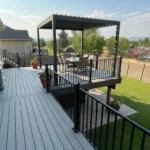
Here in Utah, we love our distinct seasons, but the intense sun and heavy snow can be incredibly tough on outdoor structures. When you’re building a deck, choosing a material that can handle our climate is one of the most important decisions you’ll make. A traditional wood deck might look beautiful at first, but our freeze-thaw cycles can lead to warping and splintering. This is why so many homeowners are looking at composite alternatives. To make the right choice, you need an honest comparison of the Trex decking vs wood cost, factoring in how each material holds up to our specific weather. Let’s explore which option gives you a lasting, beautiful deck without the constant repairs.
Key Takeaways
- Look beyond the initial price tag: While wood is often cheaper upfront, its long-term maintenance costs for staining and repairs can add up, making Trex the more cost-effective choice over the life of your deck.
- Factor in Utah’s demanding climate: Our state’s freeze-thaw cycles are tough on wood, leading to warping and rot. Trex is built to resist this damage, giving it a much longer lifespan (25+ years) with far less work required from you.
- Consider your time and your home’s value: A Trex deck is a strong selling point for future buyers because it’s low-maintenance. It also gives you a safe, splinter-free space and saves you from yearly chores, so you can spend more time relaxing.
Trex vs. Wood: What’s the Upfront Cost?
When you’re planning your new deck, the budget is often the first thing you consider. The initial price tag for materials can feel like the most important number, but it’s only one piece of the puzzle. Let’s break down the upfront costs of Trex and wood so you can see how they stack up before you build. Understanding these initial figures helps you make a choice that fits your finances right now while also planning for the future.
The Price of Trex Decking
Trex composite decking comes with a higher initial price because it’s a premium, manufactured product. You can generally expect the material itself to cost between $5 and $12 per square foot. When you factor in professional installation, the total cost for a new Trex deck often lands between $15 and $35 per square foot. This higher upfront investment covers the advanced technology that makes Trex so durable and low-maintenance. Think of it as paying more at the start for a deck that will demand very little of your time and money later on. Our team can help you explore different custom decking services to find a style that matches your home and budget.
The Price of Wood Decking
Wood is the traditional choice for decking and usually has a lower upfront cost. The materials for a pressure-treated wood deck typically range from $2.50 to $8 per square foot. With installation, the total cost is often between $15 and $35 per square foot, putting it in a similar installed price range as some Trex options. This makes wood an attractive choice if you’re focused on keeping initial project costs down. The final price can vary depending on the type of wood you choose, with options like cedar or redwood costing more than standard pressure-treated pine. While the initial savings are appealing, it’s important to remember that this is just the starting point for your deck’s total cost over its lifetime.
What Drives the Price Difference?
So, why does Trex cost more upfront? The difference comes down to materials and manufacturing. Trex is a composite material made from recycled wood fibers and plastic, engineered to resist fading, staining, scratching, and mold. It’s built to last for decades with minimal upkeep. Wood, on the other hand, is a natural material that is more vulnerable to the elements. While its initial cost is lower, wood requires regular sanding, staining, and sealing to protect it from rot, warping, and insect damage. Over time, the cost of that maintenance adds up, and a wood deck can end up costing significantly more than a Trex deck over its lifespan. We offer a variety of decking and fencing solutions to fit every homeowner’s needs.
Comparing Long-Term Maintenance Costs
The initial price tag is just the beginning of your deck’s story. To understand the true cost, you have to look at what you’ll spend over the life of the deck. Long-term maintenance is where the costs of wood and composite decking really start to diverge. Think about it: are you looking for a project that requires yearly attention, or do you want something you can simply enjoy?
This isn’t just about money; it’s also about your time. Spending a sunny weekend sanding and staining your deck might sound rustic, but the reality is that it’s a recurring chore that takes away from family barbecues and relaxing evenings. On the other hand, a low-maintenance deck gives you those weekends back, year after year. Let’s break down what you can realistically expect to spend on upkeep for both wood and Trex. Seeing how these costs add up over time will help you make a choice that fits your budget and your lifestyle.
How Much Does Wood Deck Maintenance Cost?
A wood deck is a classic choice, but it requires a commitment to regular upkeep. To keep it looking great and structurally sound, you’ll need to sand, seal, or stain it every one to two years. This isn’t just for looks; it’s essential for preventing rot, splintering, and water damage, especially with Utah’s varied weather.
The annual upkeep for a wood deck can range from a few hundred to over a thousand dollars, depending on its size and condition. Whether you hire a professional or spend your own weekends on the project, the costs in materials and time are a permanent part of owning a wood deck. Skipping this maintenance can lead to bigger, more expensive repairs down the road.
How Much Does Trex Deck Maintenance Cost?
This is where composite decking really shines. Trex was designed to be a low-maintenance alternative to wood, and it delivers on that promise. There’s no need for sanding, staining, or sealing, ever. The color is part of the material itself, so it won’t chip or peel away.
So, what does maintenance look like for a Trex deck? All you need is a simple cleaning with soap and water to wash away any dirt or grime that accumulates. This means you’ll save a significant amount of time and money on upkeep over the years. By choosing Trex for your custom deck, you’re choosing to spend more time relaxing on your deck and less time working on it.
The 20-Year Cost Breakdown
When you look at the numbers over a couple of decades, the financial picture becomes very clear. While a wood deck might have a lower initial price, the cumulative costs of annual maintenance can quickly close that gap. After years of buying stains, sealants, and tools, or hiring help, the total investment in a wood deck can easily surpass the upfront cost of a Trex deck.
A well-maintained Trex deck can last 25 to 30 years, whereas a wood deck may need major repairs or even a full replacement after just 10 to 15 years. When you factor in the potential cost of replacing an entire deck, Trex often proves to be the more cost-effective choice in the long run. It’s an investment in durability and peace of mind.
How Long Will Your Deck Last: Trex vs. Wood
When you invest in a new deck, you’re not just buying a structure; you’re creating a space for future memories. You want it to last. The material you choose plays the biggest role in how many years you’ll get to enjoy your outdoor oasis before needing major repairs or a full replacement. Wood and Trex composite decking have very different lifespans, which directly impacts the long-term value of your investment. Understanding these differences will help you decide which path is right for your home and your budget.
The Lifespan of a Wood Deck
A traditional wood deck is beautiful, but its lifespan is shorter and requires more work. On average, you can expect a wood deck to last about 10 to 15 years. Reaching the upper end of that range depends entirely on consistent maintenance. This means regular sanding, staining, and sealing to protect it from Utah’s sun and snow. Without this upkeep, wood is vulnerable to rot, warping, and splintering, which could lead to needing significant repairs or even a full replacement much sooner than you’d planned. It’s a commitment, but one that some homeowners are willing to make for the classic look of real wood.
The Lifespan of a Trex Deck
If you’re looking for a long-term solution with minimal fuss, Trex is hard to beat. Composite decking is engineered for durability and has a much longer lifespan, typically lasting 25 to 30 years or even more. Because it’s made from a blend of recycled wood fibers and plastic, it resists the common issues that plague wood decks, like rot, mold, and insect damage. You won’t spend your weekends staining or sealing it. A simple soap-and-water cleaning is usually all it takes to keep it looking great, giving you more time to actually enjoy your beautiful custom deck.
How Lifespan Affects Your Total Investment
The difference in lifespan has a huge effect on the total cost of your deck over time. While wood has a lower initial price tag, the ongoing maintenance costs add up quickly. In fact, when you look at the total expense over a couple of decades, wood can end up costing significantly more than composite. Trex’s own analysis shows that over its warranty period, the cost of maintaining a wood deck can be much higher than the initial cost of a Trex deck. Choosing Trex means you’re making a larger upfront investment, but you’re also buying peace of mind and a predictable, low-maintenance future for your outdoor space.
Which Deck Adds More Value to Your Home?
A new deck is more than just a place to grill and relax; it’s a significant investment in your property. When you’re weighing Trex against wood, it’s smart to think about which option adds more tangible value to your home in the long run. The answer isn’t just about the initial cost. It comes down to two key things: how attractive the deck is to future buyers and how well your investment is protected over time. Both factors play a huge role in what your deck is truly worth.
Resale Value and Buyer Appeal
When potential buyers walk into your backyard, you want them to imagine themselves enjoying the space, not calculating future maintenance costs. This is where composite decking really shines. A Trex deck typically adds 65–75% of its cost back to your home’s value, making it a solid investment. Homes with composite decking often keep their value better because buyers see a beautiful, low-maintenance feature that’s ready to use. While a wood deck has its own charm, it can also signal years of staining, sealing, and repairs to a savvy buyer. Offering a hassle-free outdoor living area can make your home stand out and feel like a better long-term deal for the next owner.
Understanding Your Warranty Coverage
A strong warranty is a promise of quality, giving you confidence that your investment is built to last. Trex composite decking comes with warranties ranging from 25 to 50 years, which speaks volumes about its durability. This is possible because Trex is made from a blend of recycled wood fibers and plastic, making it incredibly resistant to rot, mold, and insect damage. This low-maintenance design is perfect for homeowners who want a beautiful deck without the constant upkeep. A wood deck, on the other hand, requires consistent work to stay in good condition, and its warranty rarely covers issues like natural decay. The long-term guarantee behind our custom decking services using Trex provides financial security and peace of mind.
How Utah’s Climate Affects Your Decking Choice
When you’re planning a new deck in Utah, it’s easy to get caught up in the design and color choices. But before you settle on a material, it’s important to consider our state’s unique climate. From the intense summer sun and dry air to the heavy winter snow and freezing nights, Utah’s weather puts a lot of stress on outdoor structures. The material you choose will determine how much time you spend on upkeep and how long your deck will last. Making the right choice from the start saves you from future headaches and ensures your outdoor space remains a beautiful, safe retreat for years.
Choosing a Deck for Utah’s Weather
Utah’s four distinct seasons are beautiful, but the dramatic temperature swings and moisture from snowfall create a challenging environment for traditional wood decks. The constant cycle of freezing and thawing is particularly tough on wood. These conditions can cause the material to break down much faster than it would in a milder climate, leading to more frequent maintenance and higher repair costs over time. When you’re investing in an outdoor living space, you want something that can stand up to the elements without demanding constant attention. That’s why considering materials built for this climate is a key step in your deck design process.
How Wood Handles Freeze-Thaw Cycles
So, what actually happens to wood during a Utah winter? When snow melts or rain falls, wood absorbs that moisture. As temperatures drop below freezing overnight, the water trapped inside the wood expands by about 9%. This expansion creates tiny cracks and splinters from within the boards. Over many cycles, these small fissures grow, compromising the deck’s structural integrity and creating a rough, splintered surface. This not only looks bad but can also be a safety hazard. As a local Utah builder, we’ve seen firsthand how quickly our climate can wear down a traditional wood deck, turning a beautiful feature into a constant repair project.
Why Composite Decking Resists Rot and Warping
This is where composite decking, like Trex, really shines. Trex is made from a blend of 95% recycled wood fibers and plastic, creating a non-porous material that doesn’t absorb moisture. Because water can’t penetrate the boards, the freeze-thaw cycle has virtually no effect. This means your deck will resist rotting, warping, and splintering, even after years of harsh Utah winters and sun-drenched summers. Unlike wood, composite decking never needs to be sanded, stained, or sealed to maintain its durability and color. It’s a low-maintenance solution that gives you a beautiful, long-lasting outdoor space without the yearly upkeep that wood requires.
Common Myths About Decking Costs
When you’re planning a new deck, it’s easy to get tangled up in conflicting advice about costs. Let’s clear the air and look at some of the most common myths about decking prices so you can make a choice that feels right for your home and your budget.
Myth: “Wood is always the cheaper option.”
It’s true that wood decking often has a lower price tag at the start, which can be tempting. But that initial number doesn’t tell the whole story. Over time, the costs add up. Think about the constant sanding, staining, and repairs needed to keep a wood deck from weathering. In fact, a Trex vs. wood comparison shows that over the life of the deck, wood can end up costing significantly more in maintenance alone. That initial saving can quickly disappear after a few years of upkeep, turning what seemed like a bargain into a recurring expense.
Myth: “All composite decking is the same.”
You might hear people talk about “composite” as if it’s all one product, but the quality can vary dramatically between brands. We recommend Trex because it stands apart. It’s made from 95% recycled materials, including reclaimed wood and plastic film, creating a board that won’t rot, warp, or splinter like lower-quality options can. A closer look at Trex decking reveals different tiers of products, each with unique durability and aesthetic features. Choosing a high-performance composite means you’re investing in a deck that’s built to last, not just a temporary fix.
Myth: “Wood maintenance costs are predictable.”
Budgeting for a wood deck’s upkeep can feel like a guessing game. One year, you might just need a simple cleaning, but the next, you could be facing extensive repairs and a full restaining project. Annual maintenance costs can range anywhere from a couple hundred to over a thousand dollars. This long-term value assessment highlights the financial uncertainty that comes with wood. In contrast, Trex composite decking just needs an occasional soap-and-water cleaning to look its best. This predictability gives you peace of mind and a more stable, long-term budget for your outdoor space.
What to Consider Besides the Price Tag
The price tag is a big piece of the puzzle, but it’s not the whole picture. Your deck is an extension of your home, a place for making memories, and a long-term investment. When you’re weighing Trex against wood, thinking about the day-to-day experience, safety, and overall impact can help you make a choice you’ll be happy with for years to come. Let’s look at a few factors that go beyond the initial quote.
Aesthetics and Design Flexibility
Your deck should reflect your personal style. Wood offers a classic, natural beauty that’s hard to deny, but you’re often limited to the tones and grains of the wood species you choose. Trex, on the other hand, opens up a world of design possibilities with a huge spectrum of colors and finishes, from deep earth tones to light, coastal grays. This variety makes it easy to match your home’s exterior perfectly.
Because Trex is so durable and low-maintenance, you also have more design freedom. You can create intricate patterns or multi-level spaces without worrying about the complex upkeep that would come with a similar wood design. Our team specializes in custom decking services and can help you design a space that is both beautiful and functional for your family.
Key Safety Features to Compare
When you’re picturing your family enjoying your new deck, safety is probably top of mind. Wood decks can become slippery when wet and, over time, can splinter, creating a hazard for bare feet. While some early composites had issues with slipperiness, modern Trex decking is engineered with a textured, slip-resistant surface to provide better traction, even in wet conditions.
Another key safety element is the railing. A sturdy, well-built railing is non-negotiable. With both wood and composite, you have options, but composite railings won’t splinter or warp over time. We can help you explore different custom railing services that not only meet safety codes but also complement the style of your deck and home, ensuring your outdoor space is secure for everyone.
The Environmental Impact of Your Deck
For many homeowners, making an eco-conscious choice is important. Trex decking is made from 95% recycled materials, including reclaimed wood scraps and plastic film, making it a sustainable option that saves tons of material from landfills each year. This means you can build your dream deck without contributing to deforestation.
Beyond its recycled content, the durability of Trex also adds to its positive environmental impact. A deck that lasts for decades without needing replacement means fewer resources are consumed over time. Choosing a long-lasting material is one of the most sustainable decisions you can make. As a locally owned business, we believe in building structures that stand the test of time, providing lasting value for both our clients and the environment.
Let’s Build Your Dream Deck
Choosing the right material for your deck is a big decision, and as we’ve seen, it’s about much more than the initial price tag. It’s about balancing your budget today with your time and expenses tomorrow. While the classic look of wood has its appeal, the long-term durability and low maintenance of Trex decking offer a compelling alternative, especially here in Utah where our weather can be tough on outdoor structures. Your deck should be a place for making memories, not a constant source of weekend chores like sanding and staining.
Ultimately, the best deck is one that fits your lifestyle, complements your home, and stands strong for years to come. A well-built deck is a safe and beautiful investment, and that’s where having a trusted partner makes all the difference. We specialize in a range of custom decking services and can walk you through the pros and cons of each material for your specific project.
We’re here to help you sort through the details and design a space you’ll love. Our team at Dynamic Deck Pros is passionate about building exceptional outdoor living areas for our neighbors across Northern and Central Utah. Take a look at our gallery to see what’s possible and get some inspiration for your own backyard. When you’re ready, reach out to us. Let’s talk about your vision and build a dream deck that your family will enjoy for decades.
Related Articles
- How to Choose the Best Custom Deck Builders – Dynamic Deck Pros
- Wood Composite Trex Fencing for Your Home – Dynamic Deck Pros
- Custom Deck Builder in Elk Ridge, UT – Dynamic Deck Pros
- Custom Decks in Tooele, UT – Dynamic Deck Pros
- Custom Deck Builder in Midvale, UT – Dynamic Deck Pros
Frequently Asked Questions
Is Trex really worth the higher upfront price? Think of it this way: you can either pay more upfront for the material, or you can pay repeatedly over the years in both money and time. While a wood deck is less expensive to install, its total cost grows with every can of stain you buy and every weekend you spend on maintenance. Trex is an investment in convenience. You pay a premium at the start for a deck that frees you from that cycle of costly, time-consuming upkeep for decades.
How much work is it to maintain a wood deck in Utah? Here in Utah, maintaining a wood deck isn’t just a suggestion; it’s a necessity. Our intense sun and freeze-thaw cycles are incredibly hard on wood. To prevent your deck from splintering, warping, and rotting, you’ll need to sand and re-stain or seal it every one to two years. It’s a significant project that involves cleaning, prepping, and applying the finish, which can take up an entire weekend or cost a fair amount to hire out.
Will a composite deck look fake or feel cheap? That’s a common concern, but modern composite decking has come a long way from the early versions. High-quality products like Trex are designed with deep, realistic wood-grain patterns and are available in a wide range of rich colors that mimic the look of natural wood. It feels solid and sturdy underfoot, not plasticky. You get the beautiful aesthetic of a wood deck without any of the vulnerabilities.
Which deck is safer for kids and pets? When it comes to safety, a composite deck has a clear advantage. Wood decks, especially as they age, are prone to splintering, which can be a painful hazard for bare feet and paws. Trex is made to be splinter-free for its entire lifespan. Additionally, its textured surface provides better slip resistance than wood, giving you more peace of mind when kids are playing or after a rainstorm.
I’m planning to sell my house in a few years. Which deck is a better investment? A beautiful deck always adds appeal, but a low-maintenance one can be a powerful selling point. When potential buyers see a Trex deck, they see a finished, ready-to-enjoy outdoor space without a future chore list. A wood deck, even if it’s in great shape, can signal years of sanding and staining ahead. For this reason, a composite deck often provides a better return on investment and can make your home more attractive on the market.