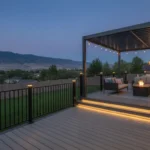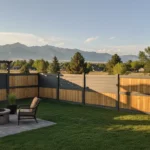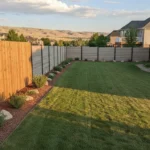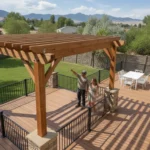
Your home reflects your personal style, so why should your outdoor space be any different? While a basic, rectangular deck might get the job done, a truly exceptional outdoor area is one that’s designed specifically for you. It should complement your home’s architecture, fit your family’s lifestyle, and solve the unique challenges of your backyard. This is the difference that custom deck builders make. They work with you to create a one-of-a-kind space, incorporating details like built-in benches, a pergola for shade, or a unique railing design that turns a simple platform into a stunning and functional extension of your home.
Key Takeaways
- A Pro Handles the Hard Parts: A custom deck builder is your partner for the entire project, managing everything from design and material selection to permits and construction, which ensures a safe and beautiful result.
- Vet Your Builder to Protect Your Investment: Before signing anything, confirm your contractor is licensed and insured in Utah. Review their project gallery and ask for references to verify their quality of work and professionalism.
- Put Your Plan on Paper: A successful project starts with a detailed plan. Make sure your contract clearly outlines the full scope of work, specific materials, project timeline, and a cost breakdown to ensure there are no surprises.
What Can a Custom Deck Builder Do for You?
When you think of a deck builder, you probably picture someone with a hammer and a saw. While that’s part of the job, a true custom deck builder is also a designer, a project manager, and a problem-solver all in one. They take your backyard vision and turn it into a safe, beautiful, and functional structure that feels like a natural extension of your home. From the initial sketch to the final walkthrough, a professional handles the complexities so you can focus on how you’ll enjoy your new outdoor space. They bring expertise in materials, local building codes, and structural integrity that you just can’t get from a DIY guide. A great builder ensures your deck not only looks fantastic but is also built to last through Utah’s distinct seasons.
Deck Design and Planning
A custom deck builder’s first job is to act as your design partner. They help you think through how you want to use the space to create a seamless flow between your home and your yard. Will it be a quiet spot for morning coffee, a hub for family barbecues, or a place to entertain friends? They’ll discuss the deck’s size, shape, and placement to best suit your lifestyle and property. This planning phase is all about translating your ideas into a workable blueprint. A professional ensures the final deck design integrates perfectly with your home’s architecture and the natural landscape of your yard.
Construction and Installation
This is where expertise truly matters. A professional builder understands the critical details of a safe and durable build. They know how to properly attach the deck to your home’s ledger board to prevent moisture from getting in and causing rot. They also ensure the footings are deep and stable, avoiding the shifting and settling that can happen with improper installation. Throughout the process, they focus on safety standards, like the correct height for railings and spacing for balusters. You can see examples of this quality craftsmanship in a builder’s project gallery, which gives you a clear idea of their attention to detail and the quality of their finished work.
Restoration and Removal
Not every project starts from scratch. If you have an existing deck that’s seen better days, a custom deck builder can help. They can assess its structural integrity to determine if it can be restored or if a full replacement is the safer, more cost-effective option. Many older decks suffer from common issues like shallow footings or weathered boards that a professional can address. Whether it’s a simple board replacement, a complete refacing, or a total tear-down and removal, an experienced contractor can manage the project. Their goal is to leave you with a structure that is safe, beautiful, and up to current building codes.
Custom Features: Pergolas, Railings, and Ramps
A custom builder can add features that make your deck truly one-of-a-kind. This is your chance to create a space that perfectly matches your needs. Want some shade from the summer sun? They can design and build a beautiful custom pergola over part of your deck. You can also choose from a variety of custom railing styles that complement your home’s aesthetic while ensuring safety. Beyond aesthetics, builders can also add functional elements like built-in benches for extra seating, integrated lighting for evening ambiance, or even accessible custom ramps to make the space usable for everyone.
What Are the Best Materials for a Deck?
Choosing the right material is one of the biggest decisions you’ll make for your new deck. It impacts everything from the initial cost and long-term maintenance to the overall look and feel of your outdoor space. While there’s no single “best” material for everyone, understanding the pros and cons of each option will help you find the perfect fit for your home, budget, and lifestyle. A professional builder can walk you through samples and explain how each material performs, giving you confidence in your final choice.
The most common options fall into two main categories: traditional wood and modern composites. Each has its own unique character and set of benefits. Let’s break down what you can expect from the most popular decking materials on the market.
Pressure-Treated Wood
If you’re working with a tight budget, pressure-treated wood is often the most affordable starting point. This lumber is chemically treated to stand up against rot and insects, making it a durable choice for its price. To keep it looking its best and extend its life, you’ll need to plan on yearly maintenance, including a good cleaning, staining, and sealing. With consistent care, a pressure-treated wood deck can last for 10 to 20 years, offering a classic look without a hefty upfront investment.
Cedar and Redwood
For a deck with rich, natural beauty, cedar and redwood are fantastic choices. These woods are prized for their stunning color and inherent resistance to rot and insects, so they don’t need chemical treatments. They do cost more than pressure-treated wood, but many homeowners feel the aesthetic is worth it. Just like other wood options, you’ll want to clean and seal your cedar or redwood deck annually to protect its beautiful color from fading in the sun. A well-maintained deck made from these materials can easily last 15 to 20 years.
Composite Decking (Featuring TimberTech)
Composite decking is an excellent choice if you want a beautiful deck without the annual maintenance of wood. Made from a blend of wood fibers and recycled plastic, materials like TimberTech are incredibly durable. They won’t rot, warp, or splinter, and cleaning is as simple as using soap and water. While the initial cost is higher than most wood, the investment pays off over time with a lifespan of 25 to 30 years and minimal upkeep. As a TimberTech Gold Registered Contractor, Dynamic Deck Pros installs TimberTech composite decking with an extended limited labor replacement warranty — 5 years on the Standard Protection System (deck and fasteners) and 7 years on the Maximum Protection System (deck, rail, and fasteners). We also use Trex for fencing because it’s just that reliable.
PVC Decking
Made from 100% plastic, PVC decking is the ultimate low-maintenance material. It’s completely resistant to moisture, which means it’s safe from rot and insect damage. It’s also one of the best options for resisting stains and fading over time. PVC comes in a wide range of colors and styles, some of which mimic the look of real wood, giving you plenty of design flexibility. It’s a durable, long-lasting choice for homeowners who want to spend their time enjoying their deck, not maintaining it.
How to Choose the Right Material for Utah’s Climate
Here in Utah, our climate plays a big role in how decking materials perform. The intense sun and high UV exposure can cause wood to fade and splinter, while our temperature swings and moisture can make it warp. For these reasons, low-maintenance materials like composite and PVC are often a great fit, as they are designed to resist fading and hold up to the elements. That said, a properly sealed and maintained wood deck can also thrive here. Your best bet is to discuss your options with a local expert who builds custom decks in Utah and understands how different materials stand the test of time.
How Much Does a Custom Deck Cost?
Figuring out a budget is one of the first steps in any home improvement project, and building a deck is no different. The final price tag for a custom deck can vary quite a bit because every project is unique. The total cost depends on a handful of key factors, from the size of your dream deck to the materials you choose and the special features you want to include. While it’s tempting to look for a single, simple answer, understanding what goes into the cost will help you set a realistic budget and have a more productive conversation with your builder.
Think of it like building a custom piece of furniture; the final price reflects its size, the quality of the wood, and any intricate carvings or details. A deck is much the same. The main components that will shape your budget are the deck’s overall size and design complexity, your choice of materials, labor and site preparation costs, and any optional features you add to make the space your own. Breaking down the estimate into these parts demystifies the numbers and puts you in a better position to make decisions that align with your vision and your wallet. Let’s walk through each of these factors so you know exactly what to expect.
Deck Size and Complexity
The most straightforward factor influencing cost is the size of your deck. Generally, you can expect the price to be calculated per square foot, which typically covers both materials and labor. A simple, ground-level deck will naturally cost less than a large, multi-level structure that requires more materials and time. Complexity also plays a big role in the final price. Designs with unique angles, curves, or multiple tiers require more intricate planning, additional structural support, and more labor hours to build. An elevated or second-story deck, for example, will cost more than a ground-level one because it needs a more substantial foundation and support system to be safe and secure.
Your Choice of Materials
The materials you select will make up a significant portion of your budget, often around half of the total project cost. Pressure-treated wood is a popular and budget-friendly option that gives you a classic look. For a more durable and low-maintenance solution, many Utah homeowners opt for composite decking like TimberTech, which resists fading, staining, and mold. While the upfront cost for composite is higher than for wood, it can save you money over time on maintenance. At the premium end, you have beautiful hardwoods that offer a luxurious look but come with a higher price tag. Each material has its own benefits, and the right choice depends on your budget and how you plan to use your space.
Labor, Permits, and Site Prep
Beyond the visible materials, your estimate will include several other important costs. Professional labor is a key investment, covering the skilled craftsmanship required to build a beautiful and structurally sound deck. This cost accounts for the team’s experience, insurance, and the time it takes to complete the job correctly. You’ll also need to budget for building permits, which are required in most areas to ensure your deck meets local safety codes. Finally, consider site preparation. If you have an old deck that needs to be removed or a sloped yard that needs leveling, this work will be factored into the overall project cost.
Optional Features (Railings, Pergolas, etc.)
This is where you can truly personalize your outdoor space, but remember that custom features will add to the final cost. Elements like stairs, built-in benches, and planters make your deck more functional and unique. Adding a stylish custom railing is essential for safety on elevated decks but also adds a significant design element. If you want to create a shaded area for dining or relaxing, a beautiful pergola can be integrated into your deck design. These features require additional materials and specialized labor, so be sure to discuss which ones are most important to you with your builder.
What to Expect for Pricing
So, what’s the bottom line? While it’s impossible to give a single price without knowing your project’s details, most homeowners can expect a new deck to cost somewhere between $4,000 and $15,000. A small, simple deck made from pressure-treated wood will be on the lower end of that range, while a large, multi-level composite deck with custom features will be at the higher end. The best way to get an accurate number for your vision is to get a detailed quote from a professional builder. You can also look through a project gallery to see how different materials and designs come together and get inspired for your own backyard.
Key Design Details to Discuss With Your Builder
Once you’ve found a builder you trust, the real fun begins: designing your dream deck. A great contractor acts as your partner in this process, translating your vision into a functional and beautiful plan. Coming to the conversation with a clear idea of what you want will make the process smoother for everyone. Think about how you plan to use the space, what features are non-negotiable, and what overall style you’re aiming for. Your builder can then offer expert advice on materials, layout, and construction to bring it all to life. To get the most out of this collaboration, be ready to talk through the specifics, from the big picture down to the smallest details.
Size, Shape, and Layout
The first things to consider are the size and shape of your deck. A well-designed deck should feel like a natural extension of your home, not a clunky addition. Think about proportion; the deck’s scale should complement your house and yard. You can also play with the layout to create more dynamic spaces. Using multiple levels can define different zones, like a dining area on one level and a lounging space on another. Incorporating curves instead of sticking to rigid angles can also soften the look and add a custom feel. Check out a project gallery to see how different shapes and layouts work with various home styles.
Matching Your Home’s Style
Your new deck should look like it has always been part of your home. The best way to achieve this is by creating a seamless transition between your indoor and outdoor spaces. Discuss ways to connect the two with your builder. This could mean matching the deck’s color palette to your home’s exterior or choosing a railing style that reflects your interior design. The goal is to make your deck an integrated part of your home’s architecture, enhancing its visual charm and overall flow. A truly custom deck design considers every detail of your existing home to create a cohesive look.
Function and Built-In Features
How do you imagine using your deck? Answering this question will help you decide which built-in features to include. These elements can transform your deck from a simple platform into a true outdoor living area. Think about adding built-in benches for extra seating that doesn’t take up valuable floor space. An outdoor kitchen or a designated spot for your grill makes hosting barbecues a breeze. You could also add a fire pit for cozy evenings or a beautiful custom pergola for shade and architectural interest. These features make your deck more functional and enjoyable for years to come.
Important Safety Features
Safety should always be a top priority, especially if you have children or pets. Talk to your builder about choosing non-slip materials for the deck surface to prevent accidents, particularly in Utah’s wet or icy conditions. Railings are another critical safety component. They need to be sturdy, properly spaced, and at the right height to meet local building codes. You can explore different custom railing services to find a style that is both safe and attractive. Other features like secure gates at the top of stairs or adequate lighting can also ensure your deck is a safe space for everyone to enjoy.
Finishing Touches Like Lighting and Skirting
The small details are what give a custom deck its polished, high-end look. Don’t forget to discuss the finishing touches with your builder. Thoughtfully placed accent lighting can create a warm ambiance for evening gatherings while also improving safety. Deck skirting is another great addition; it hides the structural elements underneath the deck for a clean, finished appearance. Even the layout of the deck boards can add a unique design element, whether you opt for a classic pattern or a more intricate herringbone design. These final custom features are what will make your deck stand out.
What to Expect During the Deck Building Process
Building a custom deck is an exciting project, but it’s also a significant one. Knowing what to expect from start to finish can make the entire experience feel much more manageable and even enjoyable. A professional builder will guide you through a clear, step-by-step process that keeps you informed and confident in the work being done. From the first conversation to the final walkthrough, here’s a breakdown of what the journey looks like with a trusted contractor.
The Initial Consultation and Site Visit
The process begins with a conversation. This is your chance to share your vision, ideas, and how you imagine using your new outdoor space. During this initial meeting, your builder will visit your home to assess the site. They’ll take measurements, evaluate the terrain, and consider how the new deck will connect with your home’s architecture and the surrounding landscape. A great contractor listens carefully and offers practical advice, helping you understand what’s possible and how to best bring your ideas to life. This collaborative first step ensures your project starts on a solid foundation.
Finalizing the Design and Materials
Once you’ve discussed your vision, it’s time to finalize the details. Your builder will work with you to create a detailed design plan. This often includes 3D renderings or blueprints that show the deck’s exact dimensions, stair placement, and any custom features like built-in benches or a pergola. You’ll also make final decisions on materials. This is the time to discuss the pros and cons of different options, like the classic look of pressure-treated wood versus the low maintenance of composite decking. Seeing the design on paper and choosing your materials helps you visualize the final product before construction begins.
Handling Permits and Building Codes
Dealing with local building codes and securing the right permits can be a headache, but a professional contractor will handle this for you. As a licensed and insured builder, we manage the entire permitting process to ensure your deck is built safely and complies with all local regulations in your Utah community. Asking a potential builder if they will arrange for the permit is a great way to gauge their professionalism. This step is non-negotiable for a safe, structurally sound deck, and having your contractor take care of it gives you valuable peace of mind.
Project Timeline and Communication
Clear communication is key to a stress-free construction project. Before the work starts, your builder should provide a detailed project timeline with key milestones, so you know what to expect and when. You should also know who your main point of contact will be and how often you’ll receive updates. Whether it’s a quick daily check-in or a weekly summary, a clear communication plan prevents surprises and keeps you in the loop. This transparency builds trust and ensures the project runs smoothly from demolition to the final nail.
Questions to Ask Before You Hire a Deck Builder
Choosing the right contractor is the most important decision you’ll make for your new deck. The right team will make the process feel seamless, while the wrong one can lead to headaches and a disappointing result. To make sure you find a true professional, it’s smart to interview a few candidates. Having a list of questions ready helps you compare them fairly and identify the best partner for your project. Think of it as a job interview where you’re the hiring manager. Here are the essential questions to ask.
Licensing and Insurance
First things first: ask if they are licensed and insured to work in Utah. This is a non-negotiable. A proper license proves they meet state requirements for competency, while insurance protects you from liability if an accident happens on your property. A professional contractor will have no problem providing proof of both. If a builder is hesitant to share this information or tries to downplay its importance, that’s a major red flag. At Dynamic Deck Pros, we are fully licensed and insured and believe it’s a fundamental part of earning your trust and ensuring a safe, successful project from start to finish.
Portfolio and References
You wouldn’t buy a car without a test drive, so don’t hire a builder without seeing their work. Ask to see a portfolio of their completed projects. This gives you a real sense of their craftsmanship, style, and the quality you can expect. Pay attention to the details in their photos, like clean cuts, tight joinery, and creative designs. Go a step further and ask for a few references from recent clients. Speaking directly with past customers is the best way to learn about their experience with the builder’s communication, timeliness, and overall professionalism. A confident builder will be proud to share their gallery of past work and connect you with happy homeowners.
Their Process for Permits and Inspections
Dealing with local building codes and permits can be a huge hassle, but it’s a critical step for ensuring your deck is safe and legal. Ask a potential builder how they handle this process. Will they be responsible for submitting the plans and pulling the necessary permits? Do they schedule and manage all required inspections with the city or county? An experienced, full-service contractor will take care of all the red tape for you. This expertise not only saves you time and stress but also ensures your deck is built to code from the ground up. This is a standard part of our decking services, because your peace of mind is our priority.
Warranties for Materials and Labor
A new deck is a significant investment, and you want to know it’s protected. Be sure to ask what kind of warranties they offer. There are typically two types: a manufacturer’s warranty on materials (like composite decking) and a builder’s warranty on labor or workmanship. A reputable builder will stand behind their work with a clear, written guarantee against installation defects. Understanding these warranties gives you confidence that if something goes wrong down the line, you’re covered. It shows that the builder is committed to quality and is building a deck that’s meant to last for years to come.
Project Timeline and Communication Style
To ensure a smooth project, it’s important that you and your builder are on the same page about the schedule and communication. Ask for an estimated project timeline, from the start date to completion. While weather can cause delays, an experienced builder should be able to give you a realistic timeframe. Just as important is their communication style. Ask who your main point of contact will be, how they’ll provide updates, and how you can reach them with questions. Clear, consistent communication is the key to a positive experience and helps prevent misunderstandings along the way. As a local Utah contractor, we pride ourselves on being accessible and keeping you informed every step of the way.
Common Mistakes to Avoid When Hiring a Contractor
Hiring a contractor is one of the biggest decisions you’ll make for your home improvement project. A great partnership leads to a beautiful, lasting deck, while a poor one can cause endless frustration. By knowing what to watch out for, you can confidently choose a builder who will bring your vision to life without the drama. Let’s walk through a few common missteps homeowners make and how you can sidestep them.
Choosing on Price Alone
It’s always tempting to go with the lowest bid, but this is often a recipe for disappointment. A price that seems too good to be true usually is, and it can signal subpar materials, rushed work, or hidden costs that pop up later. Instead of focusing only on the initial price, consider the overall value. A well-built deck from a reputable contractor is an investment that pays off in longevity, safety, and enjoyment. You’re not just buying lumber and screws; you’re paying for experience and skilled craftsmanship that will stand the test of time.
Not Reading the Contract Carefully
Never, ever sign a contract without reading every single word. A vague agreement is a major red flag. Your contract should be a detailed document that clearly outlines the full scope of work, a breakdown of costs, the specific materials being used, and a projected timeline. This document protects both you and the contractor by setting clear expectations from the start. If something isn’t in writing, it’s not guaranteed. Take your time, ask questions about anything you don’t understand, and make sure you’re completely comfortable before you sign.
Forgetting About Permits and Local Codes
Building a deck isn’t as simple as just putting some boards together. Most deck projects require permits to ensure they are safe and structurally sound. Each city and county in Utah has its own set of rules, and a professional contractor should be an expert on the local building codes in your area. Ignoring these regulations can lead to hefty fines, legal trouble, or even being forced to tear down your brand-new deck. A reliable builder will handle the entire permitting process for you, giving you peace of mind that your project is fully compliant.
Skipping Background and Reference Checks
Before you commit, do your homework. A contractor with a solid reputation will be happy to share their portfolio and a list of references. Take the time to review their past work to see if their style and quality match your expectations. Don’t be shy about calling their references and asking about their experience. Were they professional? Did they stick to the timeline and budget? Were they happy with the final result? This little bit of research can save you from hiring someone who talks a good game but can’t deliver.
Why Go Local for Your Utah Deck?
When you’re investing in a new deck, it can be tempting to look at big, national companies. But for a project that’s so tied to your home and lifestyle, there’s a huge advantage to staying local. Choosing a Utah-based builder means you’re getting more than just a contractor; you’re getting a partner who understands your specific environment, from the neighborhood rules to the mountain weather. Let’s break down why hiring a local pro is one of the smartest decisions you can make for your project.
Expertise in Local Building Codes
Every city and county has its own set of rules for construction, and decks are no exception. A local builder who works in areas like Salt Lake County or Utah County every day knows these building codes inside and out. This expertise is crucial for making sure your project goes smoothly. They’ll handle the right permits and ensure every part of the construction, from footing depth to railing height, meets local requirements. This saves you from the headaches of potential fines, project delays, or even having to tear down work that isn’t up to code. It’s peace of mind you can’t put a price on.
Experience with Utah’s Unique Climate
Utah’s weather is anything but predictable. We have hot, dry summers, heavy winter snow, and big temperature swings in between. A builder from out of state might not understand how these conditions affect different materials. A local expert, on the other hand, knows exactly which materials and construction techniques will stand up to our unique climate. They can recommend the best options, like durable composite decking, that won’t warp, crack, or fade under the intense sun or heavy snowpack. This local knowledge ensures your deck isn’t just beautiful on day one, but remains a durable, safe space for years to come.
The Value of Supporting a Local Business
When you hire a local deck builder, you’re doing more than just starting a project; you’re investing in your own community. Local contractors have a reputation to uphold right here at home. They’re your neighbors, and their business depends on happy clients and word-of-mouth referrals. This often translates to a higher level of personal service, accountability, and pride in their work. You’re not just another number in a corporate system. By choosing a local Utah company, you get a dedicated partner for your project and help support the local economy at the same time.
Frequently Asked Questions
How long does it typically take to build a custom deck? The timeline for a custom deck project can vary quite a bit. After we finalize the design and get the necessary permits, the actual construction usually takes between one and three weeks. The final timing depends on the deck’s size, the complexity of the design, and of course, the weather. A simple, ground-level deck will be on the faster end, while a large, multi-level deck with custom features will naturally take a bit longer to build perfectly.
What does ‘low-maintenance’ actually involve for a deck? That’s a great question. For materials like composite or PVC, “low-maintenance” means you get to skip the annual sanding, staining, and sealing that wood decks require. Instead of a full weekend of work each year, your main task will be a simple cleaning with soap and water to wash away dirt and pollen. It frees you up to spend your time enjoying your deck, not working on it.
My current deck is in bad shape. Can it be restored, or does it need a full replacement? It really depends on the deck’s foundation. A professional builder can perform an inspection to check the health of the underlying structure, including the footings and frame. If the core structure is still solid and safe, you might be able to simply replace the old decking boards and railings, which is a great way to get a fresh look. However, if the foundation is failing or there’s significant rot, a full replacement is the safest and best long-term solution.
I’m overwhelmed by all the design options. Where’s the best place to start? Don’t worry, that’s a very common feeling. The best way to start is to stop thinking about the deck itself and instead think about how you want to use it. Do you dream of hosting family barbecues, having a quiet spot for coffee, or creating a safe play area for your kids? Once you have a purpose in mind, you can look through our project gallery for inspiration. From there, we can help you connect your ideas to a design that fits your home and lifestyle.
How do I choose a deck material that will last through Utah’s sun and snow? Living in Utah means choosing materials that can handle both intense UV rays and heavy snow. Composite and PVC decking are excellent choices because they are engineered to resist fading, staining, and moisture damage. They won’t warp or splinter like some woods can in our climate. If you love the look of real wood, that’s a great option too, just know that consistent annual sealing is essential to protect it from the elements and keep it looking beautiful for years.