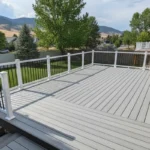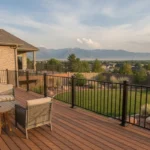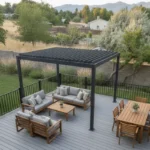
For most Utah homeowners, a composite vs pressure treated wood deck decision comes down to one tradeoff. Composite usually costs more at installation, while pressure-treated wood usually asks for more cleaning, staining, and repair work over the years. Your budget, sun exposure, snow, desired appearance, and maintenance tolerance should guide the choice.
Read the complete composite decking guide for a broader look at materials, planning, and ownership in Utah, then use the comparison below to narrow your decision.
Dynamic Deck Pros designs and installs custom decks across Northern and Central Utah. This guide focuses on a specific homeowner question: how composite and pressure-treated wood compare over the full ownership experience, not just on the day the boards are purchased.
How Does a Composite vs Pressure Treated Wood Deck Compare?
Pressure-treated decking begins with natural lumber. Preservatives are forced into the wood under pressure to help it resist decay, fungal infection, and insects in an outdoor setting. That treatment improves outdoor performance, but it does not make the boards maintenance-free. The U.S. Forest Service explains how preservative treatment protects wood and why moisture management and ongoing care still matter in its guidance on treated wood.
Composite decking is a manufactured board made from a blend of wood fibers or particles and plastic. Product formulas vary. Some boards use recycled content, and many have a consistent color and molded texture that is designed to resemble wood. Composite resists common problems such as rot and insect damage better than untreated wood, but it still needs cleaning, proper spacing, and good drainage. The substructure, fasteners, ledger, stairs, and railings also remain important parts of the deck system.
Neither label tells the whole story. A durable surface can still fail when water is trapped beneath it, framing is undersized, or fasteners are poorly selected. Material selection and construction quality should be evaluated together.
| Decision factor | Composite decking | Pressure-treated wood |
|---|---|---|
| Initial investment | Generally higher for the board product and compatible installation details. | Generally lower at the material stage, though the full project still depends on design and labor. |
| Routine care | Sweep, wash, inspect, and address stains or debris before buildup. | Clean, inspect, and plan for staining or sealing to protect appearance and serviceability. |
| Appearance | Consistent manufactured color and texture, with product-specific fading characteristics. | Natural grain variation that can be stained or painted as the finish changes. |
| Climate considerations | Can retain heat in direct sun and still needs ventilation and drainage. | Can check, split, shrink, swell, or weather when exposure and maintenance are not managed. |
| Best fit | Homeowners prioritizing less refinishing and a consistent look. | Homeowners prioritizing natural character, finish flexibility, or a lower initial material cost. |
Which Decking Material Costs More Upfront?
Pressure-treated wood is generally less expensive than composite at the initial material stage. That difference is real, but board cost is not the same as total project cost. A quote also reflects the deck’s size, height, layout, stairs, railings, footings, demolition, site access, framing, fasteners, permits, and finishing details.
Two decks with the same surface area can require very different scopes. An elevated deck with difficult access and multiple stair runs may demand more structural work than a simple ground-level platform. A detailed picture-frame border or diagonal pattern can add labor regardless of the selected surface. Comparing only a price per board can therefore create a misleading budget expectation.
For a useful estimate, compare the same scope with both materials. Ask whether the proposal includes:
- Removal and disposal of an existing deck, if applicable.
- Footings, framing repairs, ledger work, flashing, and structural connections.
- Stairs, guardrails, handrails, lighting, and other finishing details.
- Permit coordination and work required by local building regulations.
- Material-specific fasteners, clips, trim, and installation requirements.
- Cleanup, final inspection, and an explanation of expected maintenance.
Dynamic Deck Pros provides custom deck planning that considers the property, design, materials, permits, and labor together. Its custom deck design services include consultation, site evaluation, design revisions, and a final plan and quote. That process gives homeowners a more meaningful comparison than a board-only number.
What Does a 10-Year Ownership Comparison Include?
A 10-year comparison should not pretend that every deck has one universal cost. Material prices, labor rates, deck size, product selection, exposure, and homeowner habits vary. Instead, compare the categories of work each surface is likely to require. This approach shows why a lower initial investment can involve more recurring effort. While a higher initial investment can shift more of the decision to product selection and installation quality.
Pressure-treated wood maintenance over 10 years
A pressure-treated deck typically needs a recurring care plan. That plan may include sweeping and washing, checking for lifted fasteners or damaged boards, and applying a compatible stain or sealer when the surface requires protection. The timing depends on the product, weather, exposure, and condition of the wood. A south- or west-facing deck with little shade may need closer attention than a shaded deck that dries well after precipitation.
Over a decade, include the time and materials involved in cleaning and refinishing. Also consider isolated repairs. Boards can check, split, warp, or loosen, and stairs and railings deserve particular attention because they experience repeated movement and safety loads. Regular inspection can catch a small problem before moisture reaches the framing.
Composite maintenance over 10 years
Composite decking generally reduces the need for staining and sealing. Its routine work still includes sweeping, washing, removing organic debris, and addressing spills or surface buildup. Shaded areas with limited airflow can collect moisture and dirt, so low maintenance does not mean no maintenance. Follow the selected product’s care instructions and avoid assuming that an aggressive cleaner is safe for every board.
A 10-year plan should also include inspections of the substructure, fasteners, stairs, rails, and drainage paths. Composite boards do not eliminate structural maintenance. If leaves remain trapped beneath the deck or water drains toward the house, the assembly can develop problems regardless of the surface material.
How to compare the two without inventing a price
Use a simple ownership worksheet for each material. Record the initial project scope, the expected cleaning routine, the likely refinishing tasks. The time you will spend on care, and the repair risks created by your site’s exposure. Then compare those categories with your priorities. The most useful result is not a universal dollar figure. It is a clear picture of which responsibilities you are accepting.
- Initial scope: Compare identical design and structural work.
- Annual care: Note cleaning, inspections, and debris removal.
- Periodic care: Include refinishing for wood and product-specific care for composite.
- Repair planning: Consider board, stair, rail, fastener, and framing inspections.
- Time value: Decide whether recurring maintenance is a task you enjoy or a burden you would rather reduce.
This is the central whole-life distinction. Pressure-treated wood may make sense when the initial material budget and natural finish matter most. Composite may make sense when reducing refinishing and maintaining a consistent appearance are worth more to you over the ownership period.
How Does Utah Weather Affect Composite and Wood Decks?
Utah decks face strong ultraviolet exposure, dry air, seasonal moisture, snow, and temperature changes. The best material depends on the property’s orientation and drainage as much as on the product label. A deck that dries quickly and is correctly framed has a better chance of performing well than one that traps leaves and moisture beneath either surface.
Sun and surface comfort
Any deck can become warm in direct summer sun. Darker composite boards may feel especially hot in an exposed area, so consider lighter colors, shade, furniture placement, and a pergola when barefoot comfort is important. Wood can also become hot, but its natural grain and finish options may create a different visual and tactile experience.
Sun also affects appearance. Composite products have product-specific color and fading characteristics. Pressure-treated wood changes as it weathers and can be stained or painted later. Homeowners who want to change the color over time may value that flexibility. Homeowners who prefer a more consistent manufactured appearance may prefer composite.
Snow, water, and airflow
Snow load is a structural issue, while meltwater and trapped debris are moisture-management issues. Provide appropriate clearance and ventilation so the assembly can dry. Keep drainage paths clear and inspect areas where the deck meets the house. Stairs, ledger connections, flashing, and railings should be included in routine checks.
Pressure-treated wood is still vulnerable to checking and splitting when repeated wetting, drying, and ultraviolet exposure are not addressed. Composite is more resistant to rot and insect damage, but it can stain or develop surface buildup when dirt and moisture remain in place. Both materials require manufacturer-appropriate spacing, fastening, and installation details.
Construction quality is part of climate performance
In Utah, material selection cannot compensate for poor site planning. The deck should account for grade, runoff, shade, airflow, access, and how the household uses the space. A professional deck installation process should connect those site conditions to the framing and finish choices. When the design is correct, the surface is easier to maintain and more comfortable to use.
Is Composite More Sustainable Than Pressure-Treated Wood?
There is no responsible one-word answer. Sustainability depends on material sourcing, recycled content, manufacturing, service life, maintenance products, installation quality, and end-of-life handling. Compare the specific products in your proposal instead of treating every composite board or every wood product as identical.
Recycled content and product scope
Dynamic Deck Pros’ customer materials position its Trex composite offering as containing 95% recycled material. That statement applies to the specific product positioning in the company’s materials, not automatically to every composite board on the market. Ask for the exact product line and verify its published specifications before making a recycled-content comparison.
Composite may reduce the recurring use of stain and sealer because it generally does not require the same refinishing routine as traditional wood. That advantage should be weighed alongside the product’s manufacturing and disposal pathway. Do not assume a composite board belongs in a household recycling bin. Ask the installer or local waste authority about accepted materials.
What does FSC certification mean?
FSC certification is a sourcing and chain-of-custody system, not a claim that every wood deck is automatically sustainable. The Forest Stewardship Council explains its certification system and how certified materials are tracked through supply chains in its overview of FSC certification. If responsible wood sourcing is important to your project, ask whether the proposed lumber is FSC-certified and request documentation for the specific material.
FSC certification does not answer every ownership question. A responsibly sourced board still needs proper design and maintenance, while a composite board’s recycled content does not eliminate the need to plan for long-term care and disposal. The strongest comparison considers the whole service life of the deck.
Maintenance and longevity matter too
A deck that stays useful for many years can avoid an earlier replacement, regardless of whether its surface is wood or composite. Proper flashing, drainage, ventilation, framing, and fastening protect that service life. So does a maintenance routine that matches the material. Ask what the product requires before you choose it, not after the installation is complete.
Which Material Looks Better as It Ages?
Appearance is personal, but the two materials age in different ways. Composite generally offers consistent manufactured color and texture. Pressure-treated wood shows natural grain variation and can be stained or painted. Neither option stays visually perfect without attention, and neither can hide poor construction or neglected drainage.
Choose composite when a consistent look and less refinishing are high priorities. Choose pressure-treated wood when you like natural variation and want the option to change the finish later. For either material, sample boards should be viewed in the actual yard if possible. Sun direction, nearby walls, landscaping, and the home’s exterior can change how a color reads.
Furniture, pets, grills, and foot traffic also influence appearance. Plan walking paths and high-use areas so the surface is practical rather than selected only from a small showroom sample. The custom decking services offered by Dynamic Deck Pros can help connect material, layout, and outdoor living goals.
Which Deck Material Is Better for Resale in Utah?
Neither composite nor pressure-treated wood guarantees a higher resale value. Buyers usually experience the entire outdoor space, including its design, condition, connection to the home, safety, and expected upkeep. A well-maintained wood deck can make a strong impression. A carefully installed composite deck can also appeal to buyers who want a consistent, lower-refinishing surface.
Focus on the features a future homeowner can understand:
- A layout that supports dining, gathering, and movement through the yard.
- Sound framing, secure railings, safe stairs, and appropriate lighting.
- Good drainage and no obvious signs of neglected moisture.
- A finish that complements the home instead of chasing a short-lived trend.
- Clear information about the material, care routine, and any available warranty documents.
Design and workmanship often matter more than winning an abstract material debate. If you may sell within a few years, choose the surface that you can keep in good condition and that fits the home’s architecture. If you expect to stay for a long time, weigh daily comfort and maintenance honestly.
How Should Utah Homeowners Choose Between Composite and Wood?
Use these questions to make the decision practical:
- What is the full project scope? Compare the same size, layout, stairs, rails, framing, permits, and site work for both materials.
- How much maintenance will you actually do? Be honest about whether annual cleaning and periodic wood refinishing fit your schedule.
- How exposed is the deck? Account for direct sun, shade, snow, meltwater, wind, drainage, and airflow.
- What appearance do you want in five or ten years? Decide whether consistent manufactured color or changeable natural wood better fits your home.
- Which sourcing questions matter to you? Ask about recycled content, FSC certification, product documentation, and disposal.
- Who will design and build the substructure? A qualified contractor should explain framing, flashing, drainage, fastening, code requirements, and the care plan.
Composite is often the better fit for homeowners who want to reduce refinishing and prefer a consistent appearance. Pressure-treated wood is often the better fit for homeowners who value a natural look, finish flexibility, or a lower initial material cost. A site-specific consultation is the right next step when the answer depends on exposure, grade, structure, or design complexity.
Request a deck consultation from Dynamic Deck Pros to discuss your Utah property, material priorities, design, and project scope.
Frequently Asked Questions
Is composite decking worth the extra cost over pressure-treated wood?
It can be worth it when lower ongoing refinishing, a consistent appearance, and reduced routine maintenance matter more than the lower initial material cost of pressure-treated wood. Compare the full project scope and your likely maintenance habits before deciding.
What is the 10-year maintenance difference between composite and wood?
Composite generally needs cleaning, debris removal, and inspection but usually does not require the same staining or sealing routine as pressure-treated wood. Wood typically needs cleaning, inspection, and periodic refinishing, plus repairs when boards split, warp, or loosen.
Does composite decking get hot in Utah summers?
Composite can become hot in direct sun, especially in darker colors. Consider lighter boards, shade, furniture placement, and a pergola when barefoot comfort is important. Wood can also warm in the sun, so orientation and shade should be part of either material decision.
What does FSC certification tell me about wood decking?
FSC certification helps document responsible sourcing through a certification and chain-of-custody system. It does not guarantee that every aspect of a deck’s lifecycle is sustainable. Ask for certification documentation for the specific lumber proposed for your project.
Will composite or wood add more value to my Utah home?
Neither material guarantees a higher resale value. Buyers respond to the overall condition, design, safety, maintenance expectations, and connection to the home. Choose the material you can install correctly and keep in good condition.
Plan Your Utah Deck Material Comparison
A good deck decision balances the installation scope with the years of care that follow. Dynamic Deck Pros is a locally owned and operated Utah contractor offering custom deck design and installation. With licensed and insured service for homeowners across Northern and Central Utah.
Contact Dynamic Deck Pros for a free consultation and project estimate when you are ready to compare materials for your property.