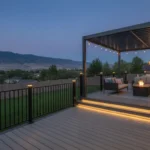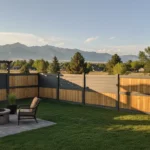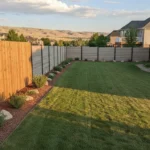
Trex fencing Utah homeowners choose is designed to deliver the look of wood with less routine upkeep. It can create privacy, define a property line, protect pets, and give a backyard a finished appearance, but the right design still depends on the lot, local requirements, gate layout, and how you plan to use the space. This guide explains what to consider before requesting a quote and what a professional installation typically involves.
Schedule a free consultation for your Utah fencing project.
Trex fencing in Utah is a low-maintenance composite fencing option that can be customized for privacy, security, and curb appeal. Your final quote will depend on the measured fence length, height, style, gates, site conditions, removal, permitting, and installation details. A local contractor can confirm the best configuration after an on-site assessment.
What Is Trex Fencing and How Is It Different from Wood or Vinyl?
Trex fencing is a wood-composite fencing system made for homeowners who want a finished, wood-like appearance without the recurring staining, painting, and sanding associated with many wood fences. It is not the same as a traditional wood fence with a coating applied. The composite material is selected for consistent appearance and reduced maintenance, while the posts, hardware, gates, and site preparation still need to be designed for the property.
Compared with wood, composite fencing can reduce the amount of seasonal maintenance a homeowner plans to perform. Wood may need periodic sealing, staining, board replacement, or post repairs as it responds to moisture, sun, insects, and temperature changes. Trex fencing is intended to resist common problems such as rot, insects, cracking, and warping, although no fence is maintenance-free and the structure still benefits from inspection and cleaning.
Compared with vinyl fencing, composite fencing has a different visual character and may offer a more substantial wood-like appearance. Vinyl remains a useful choice for homeowners who prefer its clean, light-colored look and typically simple cleaning routine. The best material depends on the home’s architecture, privacy goals, budget, HOA rules, and the level of visual warmth the homeowner wants.
Which Trex Fence Styles Are Available in Utah?
Trex fencing styles can help a homeowner balance privacy, appearance, and how the fence relates to the surrounding landscape. Product availability, colors, post details, and compatible hardware should be confirmed during design rather than assumed from an online photo.
- Seclusions: A privacy-oriented configuration for homeowners who want a more enclosed yard and a consistent finished boundary.
- Horizons: A contemporary option that can suit modern homes and landscape designs where horizontal lines are part of the visual plan.
- Winchester: A style homeowners may consider when they want a traditional composite fence appearance with coordinated posts and rails.
The style decision is only one part of the design. The project also needs a plan for corners, end posts, transitions, gates, grade changes, utility features, and any section that meets an existing wall or deck. A professional assessment helps keep those details consistent instead of treating them as last-minute changes.
Dynamic Deck Pros also offers custom fence installation in Utah across a range of materials and configurations. If a composite fence is not the best match for a particular property, the design conversation can include other options without forcing the project into a one-size-fits-all layout.
How Much Does Trex Fencing Cost Per Foot in Utah?
There is no responsible one-size-fits-all price per foot for Trex fencing Utah projects. A fence quote is based on the complete scope, not only the number of linear feet. Two properties with the same measured length can have very different totals when they differ in height, access, grading, demolition, gate count, or permitting needs. Dynamic Deck Pros uses quote-based pricing rather than publishing a universal price list.
| Quote factor | Why it matters |
|---|---|
| Measured length and height | More material, posts, hardware, labor, and taller privacy configurations affect the scope. |
| Fence style and color | System components and selected finishes vary by design and availability. |
| Gates and access points | Single gates, wider access gates, latches, hinges, and custom transitions add planning and installation work. |
| Existing fence removal | Demolition, hauling, disposal, and protection of nearby landscaping may be part of the project. |
| Terrain and access | Slopes, narrow side yards, rock, landscaping, and limited equipment access can change preparation time. |
| Permits and HOA review | Local requirements and community design rules may affect timing, materials, height, and documentation. |
The most useful way to compare quotes is to ask whether each proposal includes the same scope. Confirm the material system, fence height, number and type of gates, post or footing details, removal, cleanup, permit coordination, HOA documentation, and the expected schedule. A lower initial number may not represent the same finished project if important line items are excluded.
Trex fencing can have a higher initial investment than some basic wood or vinyl configurations, but the long-term comparison should also consider expected maintenance. The customer’s existing Trex fencing information describes the material as about 95% recycled and as capable of lasting 25 years or more, depending on conditions and care. A contractor should explain which product and installation details support the quote rather than making a generic lifespan promise.
Request a site-specific Trex fencing quote from a licensed Utah contractor.
What Does Trex Fencing Installation Include?
A professional installation is more than placing panels between posts. The contractor must understand the property line, finished grade, drainage, access, gates, nearby structures, and any local or community requirements before the first post is set. A clear process reduces surprises and gives the homeowner a practical schedule.
1. Consultation and property assessment
The project begins with a conversation about privacy, security, pets, children, entertaining, views, and access. The contractor then evaluates the property, including the proposed fence route, grade changes, landscaping, existing structures, and likely access for materials and equipment. Measurements from this stage support an accurate scope.
2. Material and style selection
Once the intended use is clear, the homeowner can compare style, color, fence height, post treatment, gate locations, and transitions. This is also the time to identify sections that should remain open, areas that need more privacy, and places where a gate must accommodate people, equipment, or future maintenance.
3. HOA and permit planning
Many Utah communities have design standards that are separate from city or county requirements. An HOA may have rules about height, color, setbacks, materials, or approval documents. Local requirements can also vary by municipality and property conditions. The contractor should confirm what applies to the project and identify who will provide or manage the required submissions.
4. Site preparation
Preparation may include marking the fence line, locating utilities, removing an existing fence, protecting nearby surfaces, clearing vegetation, and accounting for grade. Good preparation is especially important on sloped lots or properties where irrigation, drainage, retaining walls, decks, or mature landscaping meet the fence route.
5. Posts, panels, gates, and finishing work
The crew installs the structural components, aligns the panels, sets gates, adjusts hardware, and checks transitions and clearances. The finished fence should follow the approved layout while responding to the actual conditions found on the property. Cleanup and a final walkthrough help confirm that the gates operate correctly and the site is ready for use.
Dynamic Deck Pros describes its fencing process as consultation, property assessment, material selection, permitting coordination when needed, professional installation, and cleanup. Its team is licensed and insured, and it serves residential and commercial property owners across Northern and Central Utah. The exact schedule depends on project complexity, approvals, material availability, weather, and site readiness.
How Does Composite Fencing Hold Up in Utah’s Climate?
Utah fencing must handle strong sun, dry periods, winter weather, freeze-thaw changes, wind, irrigation spray, and occasional snow accumulation. Composite fencing is attractive to homeowners who want less routine maintenance than wood, but performance still depends on correct installation, proper clearances, sound posts, suitable drainage, and a layout that fits the site.
- Sun exposure: Choose a color and layout with the home’s architecture and the property’s exposure in mind. All outdoor materials should be evaluated for the way they will age in direct sunlight.
- Freeze-thaw cycles: Post installation and drainage matter because movement in the ground can stress a fence over time.
- Dry air and irrigation: Sprinkler spray, soil movement, and dusty conditions can affect cleaning and the area around posts and gates.
- Snow and wind: Fence height, site exposure, corner details, and the structural plan should be considered rather than copied from a flat, sheltered lot.
- Slopes and elevation changes: The fence may need stepped or carefully aligned sections so the finished line follows the property without creating awkward gaps.
Low maintenance does not mean no maintenance. Keep soil, mulch, and irrigation from building up against the fence, rinse dust or residue when needed, and inspect gates, hardware, posts, and transitions after severe weather. Follow the manufacturer’s care guidance for the specific system selected.
How Should Utah Homeowners Prepare for HOA Approval?
HOA approval is a design and documentation step, not a substitute for a city or county review. Before ordering materials, homeowners should confirm whether their community regulates fence height, color, style, setbacks, gates, or the location of privacy sections. The approval process may require a site plan, elevations, product information, photos, or a description of the proposed work.
A practical HOA checklist includes:
- Read the current architectural rules for fence materials, heights, colors, and locations.
- Ask whether the application needs a site plan, lot survey, elevation drawing, or neighbor notice.
- Confirm the submission deadline and review schedule.
- Make sure the application identifies gates, corners, transitions, and any removal work.
- Keep written approval with the project records before installation begins.
City requirements still apply even when an HOA approves the design. Conversely, a city approval does not guarantee that an HOA will accept the same plan. Raising both questions during the initial consultation helps prevent a finished fence from needing an avoidable redesign.
What Should You Ask Before Hiring a Trex Fence Installer?
The right installer should make the scope understandable before asking you to commit. Use the consultation to learn who will measure the property, how the fence line will be confirmed, which parts of the quote are allowances, how gates and grade changes will be handled, and what the contractor will manage during permitting or HOA review.
Ask these questions:
- Is the company licensed and insured for the work?
- What Trex or composite fencing systems and colors are currently available?
- Does the quote include design, measurement, site preparation, removal, cleanup, and gates?
- Who coordinates required permits or HOA documentation?
- How will the plan address slopes, drainage, irrigation, utilities, and existing structures?
- What maintenance does the selected system require?
- What schedule should the homeowner expect after approvals and material selection?
A strong answer will be specific to the property. If a contractor cannot explain how the design responds to the actual lot, the quote may not yet be complete.
Talk with Dynamic Deck Pros about a custom composite fence plan for your Utah property.
Frequently Asked Questions About Trex Fencing in Utah
Is Trex fencing a good choice for Utah weather?
Trex fencing can be a practical low-maintenance option for Utah homeowners who want a wood-like appearance and resistance to common outdoor wear. The installation still needs appropriate posts, drainage, clearances, and a layout suited to the property’s sun, wind, grade, irrigation, and snow exposure.
How long can a Trex fence last?
Dynamic Deck Pros’ current material information describes Trex fencing as lasting 25 years or more, depending on conditions and care. The actual service life also depends on the product system, installation quality, site conditions, gates, hardware, and regular inspection.
Does Trex fencing need to be stained or painted?
Trex composite fencing is designed to reduce the recurring staining, painting, and sanding associated with many wood fences. It still needs occasional cleaning and inspection. Follow the care instructions for the selected system and address soil, irrigation, or debris buildup around the fence.
Can Trex fencing be installed on a sloped Utah lot?
Yes, a composite fence can be planned for many sloped properties, but the layout may require stepped sections, careful alignment, grade transitions, and different preparation than a level lot. A site visit is the best way to determine how the fence should follow the property.
Do I need HOA approval for a Trex fence?
It depends on the community’s governing documents. Many HOAs regulate fence height, color, material, style, setbacks, or privacy sections. Review the rules before selecting materials, and confirm the city’s requirements separately. Keep written approval before installation begins when approval is required.
Can Dynamic Deck Pros give me a price per linear foot?
Dynamic Deck Pros uses quote-based pricing because the complete project scope varies by length, height, style, gates, access, removal, terrain, approvals, and cleanup. A consultation and property assessment provide a more useful estimate than a generic per-foot number.
Trex fencing is a long-term property decision, so the best first step is a design conversation grounded in your lot and priorities. Dynamic Deck Pros can help Utah homeowners compare fencing options, coordinate the project details, and plan a finished installation that fits the home and landscape.
Contact Dynamic Deck Pros to schedule your free Utah fencing consultation.