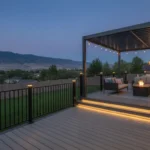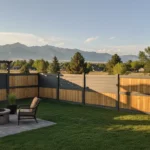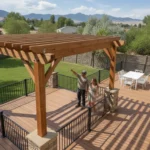
Railing does more than finish a deck. It shapes the view and affects how open the space feels. It also has to stand up to Utah sun, snow, moisture, and seasonal temperature changes. The right choice is more specific than simply selecting the most modern-looking option.
When comparing cable railing vs traditional railing, cable usually offers cleaner sight lines and a contemporary profile, while traditional systems can provide more visual substance, privacy, and familiar design flexibility. The better fit depends on your deck layout, safety needs, maintenance expectations, climate exposure, and project budget.
Before weighing those tradeoffs, it helps to define what each system actually includes. The distinction is not just cable versus balusters. Posts, infill, attachment points, materials, spacing, and the surrounding landscape all influence the finished result. A property-specific design review can help you explore custom railing options in Utah with those details in view.
What Cable Railing and Traditional Railing Actually Mean
Before comparing appearance, maintenance, or cost, it helps to define the two railing styles clearly. The difference is primarily in the infill, or the part of the railing that occupies the space between the posts and below the handrail. Both systems can be designed for a finished deck, but they create very different visual experiences.
How cable railing is built
Cable railing uses narrow horizontal cables stretched between structural posts. The cables create a series of open lines rather than a broad visual barrier. Posts support the system, while a top rail provides the handhold and helps complete the frame. Depending on the design, the posts and top rail may be wood, metal, or a combination of materials.
That open arrangement is why cable railing is often considered for decks where preserving a view matters. It has a streamlined, contemporary appearance and can allow more of the surrounding landscape to remain visible from the deck. The tradeoff is that the system depends on careful installation, including appropriate tension and materials suited to the exposure. Cable railing is not a set-it-and-forget-it feature, particularly in environments that can accelerate corrosion. Review the manufacturer’s guidance for the specific system before selecting it.
What traditional railing includes
Traditional railing is a broader category. It commonly uses vertical balusters, sometimes called spindles, between the posts and handrail. Other traditional designs may use more solid infill, such as panels or closely spaced boards. Wood, composite, and metal can all be used, so traditional does not necessarily mean one material or one historic style.
Compared with horizontal cables, vertical balusters and solid sections usually create a stronger visual boundary. That can support a more classic look, add visual definition around the deck, or provide more separation from adjacent areas. The right choice depends on the home’s architecture, the deck’s height and attachment conditions, the desired sight lines, and how much privacy the household wants.
In practical terms, the cable railing vs traditional railing decision is not simply modern versus old-fashioned. It is a choice about openness, visual weight, material coordination, and maintenance needs. A property-specific design review can account for terrain, sunlight, views, and intended use. Dynamic Deck Pros offers custom railing services to help match those considerations to the finished deck.
How Cable Railing and Traditional Railing Shape Utah Views
Utah decks often sit where the setting is part of the experience. A backyard may face foothills, a mountain range, open space, or a neighboring home. The railing you choose changes how much of that setting remains visible from the deck and from inside the house.
Cable railing usually creates a lighter visual boundary. Its horizontal cables and narrow posts can preserve more of a long-distance view, which may suit a modern home or a deck positioned above a slope. Traditional railing, with vertical balusters or more substantial infill, creates a stronger visual pattern. That can add architectural character, make the deck feel more defined, and provide a greater sense of separation from nearby properties.
Start with the view, then consider privacy
An open view is not the only design goal. If the deck looks toward a street, a neighboring yard, or a frequently used part of the property. Some homeowners prefer the visual screening of traditional balusters or a more substantial railing design. Others want to keep the deck connected to the landscape and are comfortable with a more open boundary.
Deck height matters as well. A low deck may need less visual screening than an elevated deck that looks directly into another home or yard. The best choice can also vary around one structure. Cable railing may make sense along the view-facing edge, while a more private treatment may work better near a seating area, stair, or property line.
Match the railing to Utah terrain and the home
Sunlight, terrain, and intended use should be evaluated together. A railing can affect the way shadows fall across a deck, how a seating area feels in the afternoon, and whether the structure looks balanced against the landscape. A home with clean, contemporary lines may pair naturally with cable railing. A craftsman, rustic, or traditionally styled home may call for vertical balusters and details that echo its existing trim.
That does not mean there is one correct answer for every property. Dynamic Deck Pros considers terrain, sunlight, views, and function during its deck design process. Those factors help determine railing placement, sight lines, privacy needs, and how the new work should relate to the home.
When comparing cable railing vs traditional railing, look beyond the material sample. Stand where people will sit, walk the property at different times of day, and identify the views you want to preserve or soften. A project-specific design can then balance openness, privacy, architectural style, and the way your Utah deck will actually be used.
Maintenance, Weather, and Long-Term Care in Utah
Utah decks face more than ordinary wear. Sun, dust, seasonal moisture, freezing temperatures, snow, and ice can all affect a railing system over time. The right care plan depends on the material, how exposed the deck is, and how the railing is installed.
What cable railing needs from homeowners
Cable railing is not maintenance-free. Its horizontal stainless steel cables should be kept free of dirt and buildup, particularly where dust or deicing residue can collect around fittings. Gentle cleaning with water and a material-appropriate cleaner can help preserve the appearance of the cables, posts, and handrail. Avoid abrasive tools or harsh chemicals unless the railing manufacturer specifically permits them.
It is also wise to watch for changes in cable tension, loose hardware, damaged fittings, or movement in the posts. Cable systems depend on properly tensioned components, and exposed installations may require closer attention to corrosion resistance. These considerations are part of why installation quality matters in a custom railing service.
Snow, ice, and seasonal exposure
Snow and ice should not be allowed to remain packed against railing connections or trapped around the base of posts when it can be safely cleared. Do not use a shovel, metal scraper, or other tool that can gouge a finish or bend a cable. Salt and deicing products can also leave residue that deserves prompt rinsing, especially on metal components. After a major storm or freeze-thaw cycle, look for shifted hardware, damaged finishes, or new movement and address concerns before they become larger repair issues.
How traditional materials differ
Wood railing usually calls for more visible finish care. Paint, stain, and sealant can weather differently on sun-exposed surfaces, and homeowners should watch for fading, cracking, soft spots, or moisture damage. Composite railing generally avoids some of the recurring finish work associated with wood, but it still needs cleaning and inspection of its connections. Metal systems vary by alloy, coating, and hardware. Check for scratches, oxidation, loose fasteners, or areas where water and debris collect.
There is no single winner in cable railing vs traditional railing for every Utah property. A railing that looks low-maintenance in a sheltered location may need more frequent attention on an exposed hillside or high-use deck. A project-specific design review should account for weather exposure, material choice, attachment conditions, and access for future cleaning and inspection.
Is Cable Railing Safe, and What Should Homeowners Verify?
Cable railing and traditional railing can both be part of a safe deck when they are designed, installed, and maintained as complete systems. The infill choice alone does not determine whether a railing is appropriate. Before choosing between cable railing vs traditional railing, use this checklist with a qualified professional who can evaluate the property and the requirements adopted where you live.
- Confirm the railing is designed as a complete system. Posts, rails, cables or balusters, fasteners, connections, and the supporting deck structure must work together. A strong-looking infill cannot compensate for weak posts, poor attachment points, or a deck structure that was not prepared for the railing loads.
- Ask how spacing will be verified. The openings between cables, balusters, or other infill should be planned and checked as part of the installed system. Do not rely on a visual estimate from a product photo. Ask the installer how spacing will be measured after installation and how the design addresses areas where the railing meets stairs, walls, or unusual deck geometry.
- Verify the planned height for the property. Railing height can depend on the deck layout, elevation, stairs, and requirements adopted by the local authority. Have the professional identify which requirements apply to your project rather than assuming that a standard product specification answers every situation.
- Review strength, attachment, and load paths. Ask where the railing will attach, what materials will be used, and how the posts and fasteners connect to the deck framing. This matters especially when replacing an older railing, working near an edge, or adapting an existing deck. The visible railing should be supported by sound framing and properly selected hardware.
- Consider children, pets, and how the deck is used. Cable spacing, climbability, furniture placement, and nearby steps or retaining features can affect practical risk. Tell the designer if young children or pets use the deck, whether furniture may sit beside the railing, and whether the deck overlooks a steep slope. Those details can influence the most suitable infill and layout.
- Account for weather and ongoing inspection. Exposed cable systems may need attention to tension and corrosion resistance, while any railing system should be checked for movement, damaged components, loose connections, and deterioration. Ask what maintenance the selected materials require in your Utah environment and who will perform follow-up adjustments if needed.
- Verify adopted local requirements before installation. Local requirements can vary by jurisdiction and project conditions. A licensed, insured professional should review the applicable rules, permitting needs, and site conditions before work begins. Dynamic Deck Pros can evaluate terrain, attachment conditions, and intended use as part of a project-specific railing plan, rather than promising compliance based only on the railing style.
Comparing Cable and Traditional Railing Costs and Installation
There is no useful one-size-fits-all price for cable railing or traditional railing. The total depends on the deck layout, the number and type of posts, attachment points. Material selection, access to the work area, labor, permitting, and the condition of an existing deck. A system with a simple, straight run can involve different work than a railing that follows multiple levels, corners, stairs, or unusual structural conditions.
| Factor | Cable railing | Traditional railing | What to ask |
|---|---|---|---|
| Visual effect | Open sight lines with slimmer horizontal elements | More visible vertical or solid infill | How will the choice affect the view from the house and yard? |
| Installation | Requires carefully planned posts, end connections, and cable tension | Uses posts and balusters or panels with their own spacing and attachment needs | What must be reinforced or changed before installation? |
| Maintenance planning | Plan for cleaning and periodic inspection of connections and tension | Plan care around the selected wood, composite, metal, or panel material | What routine care fits the material and Utah exposure? |
| Project fit | Works best when the design prioritizes openness and a clean profile | Can offer more visual definition, privacy, or a traditional appearance | Which option matches the home’s style, users, and privacy needs? |
Because Dynamic Deck Pros uses a quote-based model rather than a public price list, the most responsible way to compare options is through a site-specific review. A licensed installer can look at the deck’s structure, terrain, stairs, views, and attachment conditions before recommending a system. That process also helps separate the railing material decision from repairs or upgrades the deck may need regardless of which infill you choose.
If you are planning a new deck, railing should be considered alongside the rest of the design instead of added at the end. The custom deck construction process can account for railing posts, circulation, seating, lighting, and sight lines as one plan.
Which Railing Option Fits Your Utah Project?
There is no universal winner in the cable railing vs traditional railing decision. The better fit depends on how you use the deck, what you want to see from it. And how much attention you are willing to give the railing over time.
Start with the view and the setting
Cable railing is often a strong choice when the surrounding landscape is part of the experience. Its slimmer horizontal lines can preserve sight lines toward mountains, trees, or an open yard. That openness can also make a smaller deck feel less visually enclosed. Traditional railing may be preferable when you want more privacy, stronger visual separation, or a classic look that complements the home’s existing trim and architecture.
Utah properties vary significantly. A raised deck on a sloped lot may call for a different post layout and attachment approach than a low platform near the yard. Sun exposure, wind, snow, and the way people move through the space should be considered along with the view. Dynamic Deck Pros evaluates terrain, sunlight, views, and intended function as part of its deck design process.
Match the system to daily life
Think about who will use the deck. Families with young children or pets should prioritize a complete railing design that addresses spacing, height, strength, and local requirements. Cable systems can be safe when properly designed, installed, and maintained, but cable tension and the supporting posts matter. Traditional balusters or more solid infill may feel more reassuring if you prefer a less climbable visual arrangement or added separation from the edge. Your installer should verify the applicable requirements for the property rather than relying on a generic rule.
Maintenance preferences matter as well. Cable railing has a clean appearance, but exposed metal components may need attention in corrosive conditions, and the system should be checked according to the manufacturer’s guidance. Traditional options can have their own care needs depending on whether the infill and frame use wood, composite, aluminum, or another material. Ask what cleaning, inspections, and seasonal care will look like before choosing.
Choose the look you will be happy to live with
Modern cable lines can complement contemporary homes and natural settings, while traditional railing can support farmhouse, craftsman, or more established architectural styles. A licensed, insured installer can also help coordinate posts, handrails, materials, and connections with the deck instead of treating the railing as an afterthought. The right recommendation should reflect your home’s design, project conditions, safety priorities, and long-term expectations.
Request a project-specific railing consultation with Dynamic Deck Pros.
Frequently Asked Questions
Are cable railings more expensive than wood?
They can be, but the total depends on the post material, cable hardware, deck layout, attachment method, access, and installation labor. Cable railing often requires a carefully engineered frame and precise tensioning, while wood railing may have different material and upkeep costs. Because every deck is different, the most reliable comparison is a project-specific quote rather than a generic price-per-foot estimate.
What are the downsides of cable railings?
The open design requires more attention to cable tension, post rigidity, and corrosion-resistant materials than many homeowners expect. Bare metal can require maintenance in corrosive environments, and cable systems place substantial loads on their posts. Snow, ice, moisture, and seasonal movement make correct installation and periodic inspection especially important for Utah decks. Material and installation guidance should be followed for the selected system.
Is cable railing safe for decks with children or pets?
It can be, when the complete system is designed, installed, and maintained to applicable local requirements. Safety involves more than measuring the gap between cables. Tension, anchorage, post strength, spacing, and the locking hardware all matter. Have the installer verify the design with the local authority before work begins, because jurisdictions may interpret building requirements differently.
Does cable railing work well in Utah weather?
It can work well when the materials and installation are matched to the exposure. Ask about stainless steel grade, protective finishes, drainage, snow and ice, and how tension will be checked over time. A site review should account for the deck’s elevation, sunlight, moisture, and exposure rather than treating every Utah property the same.
Is cable railing still in style?
Yes. Its slim horizontal cables create an open, modern look and can preserve views. It can also be paired with wood top rails or posts when a warmer appearance fits the home better. The best choice is the one that supports the home’s design, the surrounding landscape, and the level of privacy the household wants.
Get started with a railing plan for your Utah home
The right railing choice depends on your deck’s views, layout, materials, maintenance needs, and exposure to local weather. Dynamic Deck Pros can help you compare cable and traditional options for your property and develop a project-specific recommendation and quote. Request a project consultation and quote to talk through your goals with the team.