A fence does more than mark a property line. In a Utah yard, its color, openness, and gate layout can shape curb appeal, privacy, daily access, and how well the outdoor space feels connected to the home.
Ready to plan your white vinyl fence? Request a free consultation with Dynamic Deck Pros.
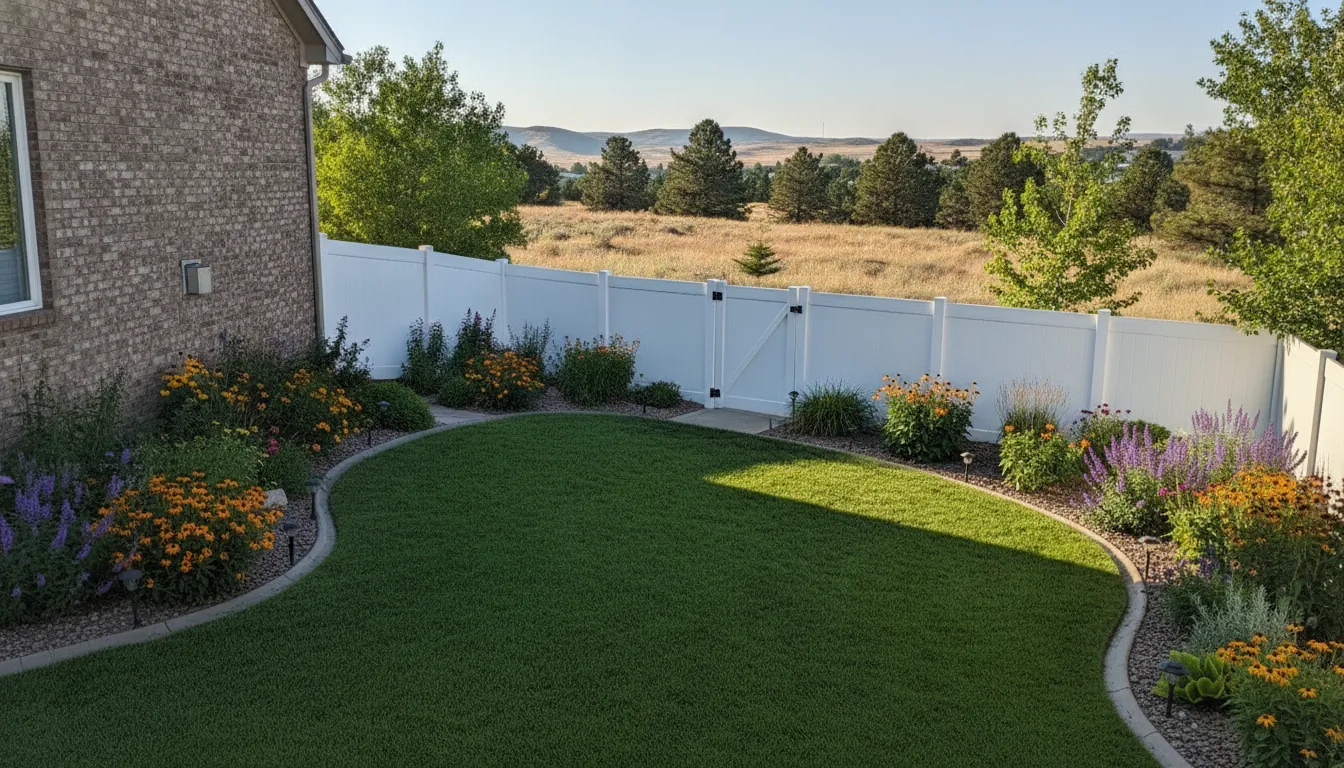
A white vinyl fence can be a practical design choice when you want a bright, defined boundary with options for privacy, picket, or semi-private layouts. Dynamic Deck Pros describes vinyl as a low-maintenance material that can be cleaned with soap and water, while noting that local conditions and installation details still matter.
The right design depends on more than choosing a finish. Consider the home’s architecture, the amount of privacy you need, sightlines from the yard, landscaping, and whether gates must accommodate people, pets, trailers, or larger vehicles. A tailored plan can help the fence look intentional rather than added as an afterthought. Start by looking at how a light-colored fence supports the character and practical needs of Utah homes.
Why a White Vinyl Fence Can Fit Utah Homes
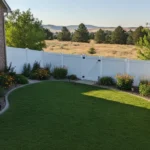
A white vinyl fence can give a Utah home a clean visual boundary without competing with the architecture or landscaping. The light finish works naturally with brick, stucco, stone, and painted siding, while also creating contrast against green lawns, ornamental grasses, garden beds, and darker mountain-inspired exterior colors. It can make a yard feel defined and orderly, especially when the fence follows the property lines without overwhelming the view.
The best fit depends on the home and the purpose of the fence. A solid design can create a more private backyard, while a picket or semi-private style can mark the edge of a front yard and preserve a more open relationship with the street. These options can also support different security goals, such as guiding children or pets away from driveways and separating outdoor living areas from neighboring properties. Dynamic Deck Pros describes vinyl fencing as available in privacy, picket, and semi-private styles, with varied colors and finishes. You can review its vinyl fence style and planning guidance when comparing those visual approaches.
White is especially useful when the fence is meant to complement, rather than dominate, a landscape plan. It can frame a patio, echo trim around windows, or provide a consistent backdrop for trees and shrubs. Consider how gates, posts, and fence height will look from the street and from inside the yard. A tailored layout is often more successful than selecting the same style for every side of a property.
There are also situations where white may feel too stark. A home with very dark exterior materials, a naturalistic landscape, or heavy dust and soil splash near irrigation zones may call for a different finish or more frequent cleaning. Utah’s intense sun, seasonal weather, and neighborhood requirements should be part of the decision. Customer guidance describes premium vinyl as weather-resistant for hot summers and cold winters, but performance still depends on the product, site, installation, and local conditions.
For a more specific recommendation, begin with the home’s architecture, the yard’s privacy and security needs, and any HOA requirements. A property assessment can help connect those details to a practical design through custom fence installation in Utah, without treating a white vinyl fence as a one-size-fits-all choice.
Which White Vinyl Fence Style Fits Your Property?
The best white vinyl fence style depends on how you want the yard to feel and function. A fully enclosed boundary can create a quieter, more private outdoor space, while a more open design can define the property without hiding the home or landscaping. Think about sightlines from the street, views from inside the house, the relationship between the fence and the yard, and how much separation you actually need.
Privacy fencing is often the strongest fit for backyards, patios, pools, and side yards where screening matters. Its solid profile gives the boundary a more substantial appearance and can help make an outdoor living area feel separate from nearby properties. It may not be the best choice for a front yard where you want an open view toward the home or where neighborhood design guidelines favor visibility.
Picket fencing offers a lighter, more traditional look. It works well when the goal is to mark a property edge, frame a garden, or complement a home’s existing architecture without creating a solid visual barrier. Because the pickets leave open space, this style is better suited to homeowners who value curb appeal and connection to the street more than complete privacy.
Semi-private fencing sits between those two options. Its partial openings can soften the boundary while providing more screening than a picket design. It can be useful along a side yard, around a patio, or anywhere you want some separation without the heavier appearance of a fully enclosed fence.
| Style. | Visual openness. | Best fit. | Planning consideration. |
|---|---|---|---|
| Privacy. | Low. | Backyards, patios, pools, and areas where screening is the priority. | Consider how the solid profile will relate to the home’s scale and nearby property lines. |
| Picket. | High. | Front yards, gardens, and boundaries where visibility and curb appeal matter. | Confirm that the open design provides the separation you need. |
| Semi-private. | Moderate. | Side yards, patios, and spaces needing partial screening. | Balance privacy goals with the amount of light and visibility you want to keep. |
Gates should coordinate with the selected style rather than look like an afterthought. Match the gate’s profile and color to the fence, then consider how it will be used each day, including access for people, pets, or equipment. A property assessment can also identify transitions, slopes, and boundary conditions that affect the final layout. The right white vinyl fence should look intentional from both sides and support the way your household uses the space.
How to Plan Privacy, Gates, and Yard Access
A well-planned white vinyl fence should support how your household actually uses the yard. Before choosing the final layout, think through what you want to screen, where people and vehicles move, and which areas need to remain easy to reach.
- Define the privacy goal and sightlines. Walk the property from inside the home, patio, pool area, and the street. Note the windows or outdoor spaces you want to screen, as well as views you want to preserve. A privacy section may suit a backyard gathering area, while a more open treatment can keep a front yard connected to the street. Consider the fence as part of the landscaping and the home’s overall appearance, not as an isolated boundary.
- Map daily foot traffic. Identify the route guests take from the sidewalk or driveway to the front door and the route your household uses to reach the backyard, garden, trash containers, or storage areas. Place a pedestrian gate where it will be convenient without forcing people through a vehicle opening. If you are planning fence planning for Lehi homes, account for the specific shape of your lot and the way existing outdoor spaces connect.
- Plan for pets and guests. Check where a dog may approach a gate, squeeze through a gap, or react to activity outside the fence. Think about latch height and visibility when children or frequent guests will use the yard. A gate should provide practical access while supporting the privacy and security goal of the surrounding fence.
- Separate pedestrian and vehicle access. Measure the driveway and consider how wide an opening needs to be for routine vehicles, trailers, landscaping equipment, or future deliveries. Multiple gates can make different access needs easier to manage. Confirm the layout against property conditions and any applicable HOA requirements during a property assessment.
- Account for occasional oversized access. If a large vehicle may need to enter the yard, ask about documented custom options such as removable posts. This can preserve a continuous fence line during everyday use while allowing a wider opening when necessary. Mark that access point before finalizing post locations so it does not become an afterthought.
- Review the plan on site. Bring your privacy priorities, gate locations, driveway measurements, and access concerns to a consultation and property assessment. The final layout can then be tailored to the home, yard, and environment instead of relying on a one-size-fits-all arrangement.
What Utah Homeowners Should Check Before Installation
A fence project should begin with the property, not the panel style. Before choosing a white vinyl fence, confirm where the fence can sit, which approvals may apply, and how the layout will work with your yard, driveway, and neighboring properties. A site visit and property assessment can help identify questions early.
Confirm the property line and public right-of-way
Do not assume an existing fence marks the legal boundary. Review your property records and consider a boundary survey if the line is uncertain. Alpine’s fence application recommends a survey before work and states that fences must remain completely within private-property boundaries. That is an Alpine example, not a rule for every Utah community. In Ogden, the city’s guidance likewise discusses placement on private property outside a public right-of-way. Read the current requirements for your own address before finalizing the layout.
Pay particular attention to sidewalks, streets, drainage areas, utility corridors, and other spaces that may be subject to public access or easements. A contractor can help identify visible site concerns, but the property owner should verify boundary and easement information with the appropriate local authority or qualified professional.
Prepare a simple site plan
Sketch the proposed fence in relation to the house, lot lines, gates, driveway, walkways, and major landscape features. Note the intended height and setbacks. Alpine’s application lists a site plan with fence height and setback dimensions, but other cities may use different forms, thresholds, or review processes. Treat city documents as location-specific guidance rather than evidence of one statewide requirement.
Also check whether the proposed height, location, or corner visibility could affect permits or safety requirements. Ask the city or county what applies before installation, especially if the property is near a corner, public sidewalk, slope, or roadway. Ogden’s regulations, for example, specifically address permitted materials and right-of-way placement; homeowners in other cities should consult their own jurisdiction.
Review HOA rules before selecting the finish
If your home is in an HOA, request the current architectural guidelines and approval process. Look for rules covering color, height, fence style, setbacks, gate placement, and the documents required with an application. HOA approval does not replace city or county requirements, and local approval does not replace HOA review. Keeping both checklists together can prevent a design change after materials or labor have been scheduled.
For homeowners in Utah County, the American Fork service area is one example of why a local conversation can be useful. Requirements can differ from one municipality to the next, so confirm the details for your address and bring the survey, site plan, and HOA guidance to your installation consultation.
How to Keep a White Vinyl Fence Looking Clean
A white vinyl fence is relatively simple to maintain, but light surfaces make everyday buildup easier to notice. In most cases, start with a soft cloth or non-abrasive brush, clean water, and mild soap. Work in small sections, rinse away the loosened dirt, and let the surface dry so you can see whether any spots need another gentle pass. The goal is to remove grime without scratching or dulling the finish.
Address soil and sprinkler splash early
Lower fence panels and posts often collect soil after watering, rain, or lawn work. Sprinklers can also leave repeated mineral or dirt deposits in the same area. Adjusting a sprinkler head that sprays directly onto the fence and rinsing visible buildup before it accumulates can help the fence keep an even appearance. Avoid experimenting with strong cleaners or abrasive tools unless the product manufacturer specifically confirms they are suitable for your fence.
Make seasonal inspections part of the routine
Walk the fence at the beginning of spring and again before winter. Look for loose sections, shifted gates, damaged hardware, pooling water, and soil pushed against the bottom edge. Utah conditions vary by location, but hot summers, cold winters, snow, wind, and freeze-thaw cycles can all affect how a fence and its surrounding ground behave. A seasonal check will not prevent every issue, but it can help you notice movement or drainage concerns before they become more disruptive.
Dynamic Deck Pros describes vinyl as a low-maintenance material that can be cleaned with soap and water. And its published guidance says a properly maintained vinyl fence may last 20 to 30 years. That is the company’s stated lifespan range, not a guarantee; installation quality, exposure, use, and ongoing care all matter. For more detail on vinyl fence style and planning, review the company’s material guidance before choosing a fence for your property.
Questions to Ask Before Requesting a Fence Estimate
A useful estimate starts with a clear picture of how the fence should work, not just how it should look. Before contacting a contractor, walk the property and consider these questions:
- What is the exact scope? Which sides of the yard need fencing, and are you planning a full enclosure, a short screening section, or a boundary along only one edge?
- Which style fits the property? Decide whether a white vinyl fence should provide full privacy, a more open picket appearance, or a semi-private balance. Consider how the finish will relate to the home, landscaping, and neighboring yards.
- Where should gates and access points go? Identify daily walking routes, driveway access, pet areas, trash pickup, and places where guests or service workers enter. Ask whether multiple gates or removable posts could help with oversized vehicle access.
- Do I know where the property line is? Do not assume an existing fence marks the legal boundary. If the line is uncertain, ask whether a survey or other boundary documentation is appropriate before setting posts.
- What approvals apply? Check your HOA rules and contact the relevant city or county about height, setbacks, permits, right-of-way limits, and local conditions such as snow or wind exposure. Requirements can vary by location.
- How will upkeep and cleanup be handled? Ask about routine cleaning, expected maintenance, removal of the existing fence, site protection, post-installation cleanup, and disposal of old materials.
- What does the quote include? Confirm the materials, fence length, gates, site preparation, permitting responsibilities, labor, cleanup, and any assumptions that could change the final quote. Pricing is quote-based, so a property assessment is more useful than a generic online figure.
Dynamic Deck Pros says it provides estimates and uses licensed and insured crews, subject to applicable local requirements. When your scope is ready, you can contact Dynamic Deck Pros to discuss the property and request an estimate.
Contact Dynamic Deck Pros to request a white vinyl fence estimate for your Utah property.
Frequently Asked Questions
What are the main benefits of a white vinyl fence?
A white vinyl fence can support privacy, security, and a clean landscaping backdrop without the recurring painting associated with some other materials. Vinyl is also described as low maintenance and can generally be cleaned with soap and water. Its appearance works best when the fence style, height, gates, and home exterior are planned together.
Which white vinyl fence style should I choose?
Choose a privacy style when limiting views is the priority, a picket style when you want a more open boundary. Or a semi-private style when you want a balance of separation and visibility. Consider the yard layout, neighboring views, pets, entertaining areas, and HOA requirements before selecting a design. A property assessment can help match the style to the home and site.
How much does a white vinyl fence cost?
There is no useful one-size-fits-all price because the estimate depends on the fence length, style, height, gates, site conditions, access, and local requirements. Request a project-specific estimate after the property and scope are reviewed rather than relying on a generic online figure.
How long can a white vinyl fence last?
Dynamic Deck Pros’ published vinyl-fence guidance gives an estimate of 20 to 30 years with proper maintenance, but that is not a guarantee. Actual service life can vary with installation quality, weather exposure, site conditions, and upkeep. Regular cleaning and periodic inspection can help you identify issues early.
What should I confirm before installation?
Confirm the property boundary, proposed height and setbacks, gate locations, HOA rules, and any city or county requirements. Local rules differ. For example, Alpine’s fence application recommends a boundary survey and asks for a site plan with height and setback dimensions: Alpine fence permit application. A consultation and property assessment can organize these decisions before work begins.
Ready to Plan Your White Vinyl Fence?
A property-specific conversation can help you narrow down the right style, privacy level, gate plan, and installation details for your Utah home. When you are ready, contact Dynamic Deck Pros to request a free white vinyl fence consultation or estimate for your property.