.
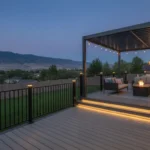
Good deck lighting does more than make an outdoor space look inviting after sunset. It helps people move comfortably, supports dining and conversation. And highlights the parts of your deck or pergola you want to enjoy without washing the whole yard in glare. In Utah, the plan also needs to account for the home’s architecture, property layout, terrain, sunlight, and seasonal use.
Request a free deck or pergola lighting consultation
The best outdoor deck lighting ideas utah homeowners can use combine layered illumination, thoughtful fixture placement, practical controls, and early coordination with the deck or pergola design. Start with the activities and pathways that need light, then choose accents that add warmth without creating glare or sending light into neighboring properties.
Whether you are planning a new structure or updating an existing one, a coordinated design makes it easier to place lighting where it serves a clear purpose. Dynamic Deck Pros can help you explore custom deck and outdoor living services before the project details are set. The planning process begins with matching light to how your household will use the space.
How to Plan Outdoor Deck Lighting Ideas Utah Homeowners Can Use
The most successful deck lighting plans begin with how your household will use the space after sunset. Mark the route from the door to the stairs, note where people will dine or gather, and identify areas where you want a softer setting for conversation. This purpose-first approach keeps the design useful instead of turning the deck into a collection of bright fixtures. The U.S. Department of Energy identifies safe navigation, hazard detection, reassurance, and enjoyment as common reasons for outdoor lighting. So the plan should support both practical movement and the way you want the deck to feel.
Utah State University recommends that outdoor light have a clear purpose, be targeted where needed, and be no brighter than necessary. Those principles are especially helpful when a deck overlooks a neighboring yard, open terrain, or a dark sky. Properly aimed, shielded fixtures can direct light downward, reduce glare, and limit light trespass. Review the USU outdoor-lighting guidance as you develop the concept, particularly if preserving views of the night sky matters to your household.
Build the plan in layers
Think in three overlapping layers. Task lighting supports specific activities, such as illuminating a grill, serving area, or stair approach. Ambient lighting establishes a comfortable overall level through carefully placed fixtures, post caps, or softly illuminated architectural elements. Accent lighting highlights a railing line, planting bed, texture, or pergola without becoming the main event. A layered plan lets each area receive only the light it needs and helps prevent a single overly bright fixture from doing every job.
Coordinate comfort with the Utah setting
Glare is more than a visual nuisance. It can make it harder to see steps and can pull attention away from the surrounding landscape. Look for shielded or downward-directed options, and avoid aiming light toward seating, windows, neighboring properties, or the horizon. USU also recommends warmer-colored light where possible and controlling outdoor lighting. Timers, dimming, or separate controls can make it easier to shift from active entertaining to a quieter evening while avoiding unnecessary light overnight. The DOE notes that LEDs can provide control over distribution, on, off, and dim capabilities. The final fixture and control choices should match the project and be coordinated appropriately.
Lighting decisions are easiest to resolve while the deck layout, railing, stairs, and pergola are still being planned. A custom deck design and planning process can account for terrain, sunlight, views, circulation, and the locations where lighting will be most useful. This keeps the lighting integrated with the structure rather than added as an afterthought.
String Lights vs Recessed Lighting for Composite Decks
String lights and recessed lights create very different experiences on a composite deck. String lights add a visible decorative element above or around the space, while recessed fixtures keep the lighting detail subtle and close to the deck surface. The better choice depends on how you use the deck, how permanent you want the design to feel. And whether lighting can be coordinated while the deck is being built.
| Option. | Placement. | Strengths. | Watch-outs. | Best use. |
|---|---|---|---|---|
| String lights. | Along a pergola, railing, overhead support, or deck perimeter. | Creates a warm, visible atmosphere and can help define an entertaining area. | May add visual clutter, require thoughtful support points, or create glare when bulbs are aimed toward seating. | A lighter retrofit or a flexible accent for dining, conversation, and seasonal gatherings. |
| Recessed lights. | Flush with the deck surface or integrated around the perimeter and selected zones. | Provides a clean, built-in appearance and can distinguish seating, dining, or circulation areas. | Requires earlier coordination with the deck design, surface layout, and electrical planning. | New construction or a major rebuild where a discreet, integrated lighting plan is preferred. |
Choose by the mood and the work stage
String lights suit homeowners who want the lighting itself to contribute to the look of the deck. Draped along a perimeter or arranged around a pergola, they can make a dining or conversation zone feel more welcoming. They are also a practical direction to explore when the composite deck already exists and the goal is a lighter retrofit, subject to proper support and electrical coordination.
Recessed lights are a stronger fit when you want the deck boards and architecture to remain the focus. Fixtures installed flush with the surface can define zones without adding much visual bulk. Because their placement affects the deck layout and service coordination, recessed work is best discussed during construction or a substantial renovation rather than treated as an afterthought.
Keep either choice comfortable and responsible
Whichever style you choose, lighting should serve a clear purpose, be directed where it is needed, and be no brighter than necessary. Utah State University recommends outdoor lighting that improves visibility without producing glare, trespass, or excessive skyglow. Shielding and careful aiming can keep light directed toward walking and gathering areas instead of into nearby homes or the night sky. Controls and warmer light can further support a comfortable setting. The goal is a useful layer of light, not a deck that overwhelms the surrounding landscape.
For a composite deck, start by marking the zones that need navigation, task lighting, or ambiance. Then match the fixture style to the construction stage and the visual character of the home.
Utah State University’s outdoor-lighting principles provide additional guidance on visibility, glare, shielding, and responsible placement.
Solar vs Low-Voltage Wired Lighting for Utah Outdoor Spaces
Solar and low-voltage wired fixtures can both support a comfortable deck or pergola, but they fit different planning situations. The right choice depends less on a universal winner and more on how you use the space. When the lighting is being installed, and how much control you want over the finished design.
| Planning factor | Solar lighting | Low-voltage wired lighting |
|---|---|---|
| Planning | Often works well for an existing deck, walkway, or landscape edge where you want to avoid coordinating a new electrical route. | Should be considered during deck, railing, or pergola planning so fixture locations, cable paths, controls, and service coordination can be addressed as part of the design. |
| Flexibility | Fixtures can be easier to reposition as your layout changes. Solar path lights can outline an edge, while solar string lights can add a relaxed accent around a perimeter or pergola. | Provides a more integrated approach for planned locations such as steps, posts, railings, seating zones, or overhead structures. |
| Controls | Operation is generally tied to the fixture’s built-in light-sensing or control design, so homeowners should review how each product is intended to operate. | Can support more deliberate control of distribution and operation. The U.S. Department of Energy notes that LED systems can offer instant on, off, and dim capabilities, depending on the system. |
| Best fit | Refreshing an established outdoor area with movable accent or path lighting and minimal disruption. | New construction or a major remodel where consistent placement, coordinated controls, and a layered lighting plan matter. |
How Utah conditions affect the decision
Sun exposure, shade from buildings or trees, snow, and the shape of the property can all affect where solar fixtures make sense. Treat solar lighting as flexible inspiration, not as a guarantee of a particular result. A shaded corner may call for a different approach than an open deck edge. A pergola may also benefit from lighting planned around its posts and beams rather than added afterward.
For either approach, responsible placement matters. Utah State University recommends lighting that has a clear purpose, is directed where needed, and is no brighter than necessary. Shielded fixtures can direct light toward the ground, helping limit glare and unwanted spill. Electrical work and local requirements should be handled by qualified professionals. If you are building or renovating a deck or pergola, discuss lighting locations early. The finished plan should support safe navigation, comfortable gathering, and the character of your home.
Post Cap Lights, Railings, and Safer Deck Steps
Lighting works best when it follows the way people move through a deck. Instead of treating every fixture as decoration, build a layered plan that makes edges, transitions, and gathering areas easy to understand after sunset. Post cap lights can create a soft visual boundary and add an inviting glow without overwhelming the deck. They are especially useful at corners, changes in direction, and the tops of structural posts.
Lighting beneath a handrail can reinforce the deck perimeter while keeping the light source less visible. This approach can help define the edge of a raised deck or guide guests around a seating area. Coordinate the fixture placement with the railing style, post spacing, and handrail height from the beginning. Reviewing deck railing options for Utah homes alongside the lighting plan makes it easier to keep the finished design cohesive.
Use stair lighting to show each transition
Deck stairs deserve focused attention because they connect different levels and may be used while carrying food, moving furniture, or hosting guests. Stair riser lights can provide a subtle line of illumination across each step, while low path lighting can help identify the approach to the stairs. The goal is not to make the steps dramatically bright. It is to create enough contrast that the tread edges and direction of travel are clear.
For longer stair runs, consider a combination of riser lighting and a fixture near the top and bottom landing. On a short run, a carefully aimed light may be enough. The right choice depends on the stair geometry, surrounding landscaping, and how much ambient light reaches the area.
Layer light without creating glare
A practical outdoor deck lighting plan may combine post cap lights for ambient glow, under-rail lighting for perimeter definition, and riser or path lights for movement. Keep each layer purposeful and no brighter than necessary. Utah State University recommends directing light where it is needed, avoiding glare, and using shielded fixtures that aim light downward. See its responsible outdoor lighting guidance for more planning principles.
Controls also matter. Dimming, timers, or other controls can let homeowners use brighter task lighting when needed and a softer setting later in the evening. During deck design, review railing, stairs, terrain, views, and lighting together. That coordination produces outdoor deck lighting ideas Utah homeowners can enjoy for both everyday evenings and larger gatherings. Without allowing fixtures to compete with the home or night sky.
Pergola Lighting Ideas That Work Year-Round in Utah
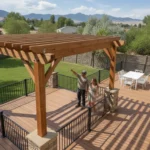
A pergola can do more than add shade. It can define an outdoor dining area, create a comfortable place to entertain, or give a deck a more finished architectural look. Thoughtful lighting helps the structure remain useful after sunset without making the space feel overly bright. Start with how your household uses the pergola, then choose fixtures and controls around those activities, the surrounding terrain, and the home’s architecture.
Layer the light around the way you gather
String lights are a flexible choice for a relaxed, welcoming atmosphere. They can follow the perimeter or span the overhead beams, adding a soft visual layer without making the entire deck look like a commercial patio. Lanterns hung above a dining table create a more focused setting for meals, while pendants can bring useful light to a conversation area or outdoor kitchen. Keep the fixture scale and placement proportional to the pergola so the lighting supports the structure instead of competing with it.
Downlighting is another option when you want light directed toward a table, seating area, or walking surface. A carefully aimed fixture can help people see where they are going while reducing glare. Avoid placing bright sources directly at eye level or aiming them toward neighboring homes. Light should serve a clear purpose, be no brighter than necessary, and remain part of the overall nightscape rather than becoming its only feature.
Use warm light and separate zones
Warm-colored light generally works well with wood, composite decking, stone, and surrounding landscape. It creates a comfortable evening feel for dining and conversation, while a slightly more focused light can support food preparation or movement near steps. Consider separate zones for the dining table, seating, perimeter, and nearby path. Dimmers, timers, or other suitable controls can let you use only the areas you need and lower the brightness when the evening winds down.
Utah’s sun, snow, seasonal temperature changes, and varied terrain all make early coordination worthwhile. Fixture locations should account for shade patterns, rooflines, tree growth, drainage, and access for future maintenance. Plan wiring and connections with the appropriate qualified professional rather than treating outdoor lighting as an afterthought. For a structure shaped around your property and lifestyle, explore custom pergola design and construction with a team that understands Utah homes and outdoor living.
Electrical Rough-In and Salt Lake County Planning
The best lighting plan starts before deck boards, pergola beams, or finished railings make access difficult. Early coordination helps place fixtures where they support navigation, gathering, and visibility without creating glare or sending unwanted light toward a neighboring property. It also gives the design and electrical teams a shared plan for conduit routes, transformer placement, controls, and future access.
Use this sequence as a planning framework, then confirm the electrical scope and local requirements with qualified professionals. Requirements can vary by project, property, and jurisdiction, so a design conversation is not a substitute for permit or code review.
- Define how each zone will be used. Mark stairs, paths, seating, dining, cooking, gates, and transitions from the house. Each fixture should have a useful purpose, rather than adding brightness simply because space is available. The U.S. Department of Energy identifies safe navigation, hazard detection, reassurance, and enjoyment as common purposes for outdoor lighting: responsible outdoor lighting guidance.
- Choose fixture locations with the structure in mind. Identify likely locations for post caps, under-rail accents, step lighting, wall fixtures, or pergola fixtures before framing and finish materials are selected. Keep light targeted where it is needed, and consider shielded fixtures that direct light downward to improve visibility while limiting glare.
- Map the rough-in and conduit coordination. Share fixture locations and likely cable or conduit pathways with the qualified electrician and the deck or pergola builder. Discuss penetrations, access points, weather exposure, equipment locations, and how the plan will remain serviceable after construction. Do not treat a sketch as wiring instructions.
- Coordinate the transformer and power requirements. If the design uses low-voltage equipment, identify a practical, protected location for the transformer and confirm how it will connect to the property electrical system. The equipment plan should account for the number and type of fixtures without promising performance or capacity before the electrician reviews it.
- Plan controls, timers, and dimming. Decide whether different zones should operate separately, and identify the desired schedule for steps, entertaining areas, and security-related lighting. LEDs can offer control over distribution and instant on, off, and dim capabilities, but the final control setup should match the selected equipment and professional installation plan.
- Review glare, trespass, and color. Aim fixtures away from windows, neighboring yards, and drivers’ sightlines. Utah State University recommends lighting that is useful, controlled, no brighter than necessary, and warmer in color where possible. This approach can reduce glare, skyglow, and unnecessary disruption while keeping the nighttime scene comfortable.
- Confirm Salt Lake County project requirements. Before construction, ask the project team to verify applicable permits, electrical requirements, utility considerations, and inspection steps for the specific property. For local planning support, review Salt Lake County outdoor living services and discuss the lighting scope as part of custom deck design and planning.
A coordinated plan keeps the lighting integrated with the structure instead of forcing last-minute compromises. It also leaves room to balance safety and atmosphere with responsible light levels. So your outdoor deck lighting ideas Utah homeowners can enjoy remain practical long after the build is complete.
Talk with Dynamic Deck Pros about your Utah outdoor lighting plan
Frequently Asked Questions
What type of lighting is best for an outdoor deck?
The best approach usually combines task, pathway, and accent lighting rather than relying on one fixture type. Use focused light where people walk, gather, or use stairs, then add softer light at railings, posts, or a pergola for atmosphere. Fixtures should be aimed where needed, no brighter than necessary, and controlled for the time of day. Utah State University recommends outdoor lighting that improves visibility without creating glare, light trespass, or unnecessary skyglow: USU outdoor-lighting guidance.
What are some creative ideas for lighting my outdoor patio or pergola?
Consider recessed fixtures along a deck edge, subtle lights beneath a railing, post-cap lighting, or a pendant or lantern above a dining area. A pergola can also support carefully planned overhead lighting for conversation and meals. The right mix depends on the structure, seating layout, views, and how much shade or shelter the space provides. Plan fixture locations with the deck or pergola design instead of adding them as an afterthought.
Should I choose solar or wired lighting for a Utah deck?
Solar fixtures can be flexible for a retrofit because they do not require the same wiring coordination as a new system. Wired lighting can offer more deliberate placement and control when it is planned during construction. Your choice should account for the deck layout, available sunlight, desired controls, and the location of existing electrical service. A qualified electrician should handle electrical connections and verify applicable local requirements.
What are common outdoor lighting mistakes?
Common problems include excessive brightness, glare, poorly aimed fixtures, uneven stair illumination, and waiting until construction is complete to plan wiring or fixture locations. Avoid lighting every surface equally. A layered plan with a clear purpose is more comfortable and easier to maintain. Keep light directed onto the deck and paths rather than toward neighboring property or the night sky.
Ready to Plan Your Utah Deck or Pergola Lighting?
A thoughtful lighting plan can help your deck or pergola feel more comfortable and useful after sunset while fitting the way your household spends time outdoors. Dynamic Deck Pros can help you think through fixture placement, deck or pergola design, and the details that should be coordinated before construction. Request a free consultation or quote or call (801) 406-3325 for a custom lighting plan, and take the next step toward an outdoor space that feels practical, welcoming, and distinctly yours.