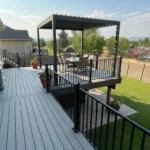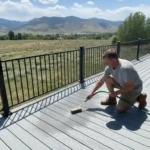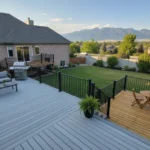
Utah decks have to handle more than changing seasons. Strong high-desert sun, dry summer heat, winter snow, and repeated temperature swings can all influence how a surface looks, feels, and performs over time. The right choice depends on your home’s exposure, your maintenance tolerance, and how the deck will be used.
Schedule a free consultation and custom estimate
For many Northern and Central Utah homes, the best deck material for utah weather is a quality composite. It resists moisture and decay while reducing the sealing and staining routine associated with wood. High-quality vinyl can also be a durable low-maintenance option. Natural wood remains appealing when you are comfortable with ongoing care.
Before comparing those materials, it helps to understand exactly what Utah weather asks of a deck. Sun, moisture, freezing conditions, and everyday snow removal each create different demands, and those demands shape the best long-term fit.
What Makes Utah Weather Hard on a Deck?
Utah decks have to perform through more than one demanding season. High-desert sun can be intense, summer heat can dry exposed surfaces, and winter brings freezing conditions, snow, and repeated changes between wet and dry. That combination makes material selection more important than choosing the most attractive sample in a showroom. The best deck material for Utah weather should fit your home’s sun exposure, moisture conditions, maintenance preferences, and long-term design goals.
Natural wood can create a warm, authentic appearance, but it is not maintenance-free. Decks are exposed to moisture, temperature changes, and ultraviolet radiation, all of which can degrade wood over time, according to the University of California Agriculture and Natural Resources guide to wood decks. Regular sealing or staining helps protect the surface, but it also adds recurring work for the homeowner.
Sun and seasonal temperature swings
Direct sunlight affects more than color. Over time, UV exposure can dry and weather an unprotected wood surface. Summer and winter also place different demands on the deck. A board may heat up in full sun, cool quickly after sunset, and face additional stress as the seasons change. Darker colors and south- or west-facing locations may make surface heat more noticeable, while shade, ventilation, and thoughtful spacing can improve comfort and drainage.
These conditions do not make every wood deck a poor choice. They do mean that wood owners need a realistic maintenance plan. A beautiful wood surface may require cleaning, inspection, and renewed protective coatings as weather gradually wears them down. If you prefer a natural appearance but want to limit upkeep, ask how different boards, finishes, and site conditions will affect the care schedule.
Freeze-thaw exposure, moisture, and snow
Winter weather can push moisture into small surface checks and joints. When that moisture freezes and later thaws, the deck experiences a repeating cycle that can reveal weak spots. Worsen existing damage, or contribute to movement in poorly maintained components. Snow can also remain against the deck surface and frame, making drainage and clearance important after storms. Safe removal should avoid damaging the boards with careless scraping or tools.
Composite decking is often considered for this climate because wood-plastic composites are widely used outdoors for their moisture resistance and durability, as explained by Oklahoma State University Extension’s overview of wood-plastic composites. That does not eliminate the need for sound installation. Water still needs a path away from the deck, framing must be protected, and fasteners and spacing should suit the system.
- Sun exposure: Consider how much direct light reaches the deck and whether shade or ventilation can improve comfort.
- Temperature swings: Plan for materials and installation details that can handle seasonal movement without sacrificing drainage.
- Freeze-thaw cycles: Inspect joints, fasteners, framing, and surface damage before small issues become larger repairs.
- Moisture and snow: Keep drainage paths clear and remove winter buildup with methods appropriate for the decking material.
- Maintenance tradeoffs: Compare the upkeep you will actually perform with the appearance and feel you want from the finished deck.
Utah’s climate does not point to one universal answer. It helps to evaluate the whole installation, including the deck’s orientation, drainage, shade, framing, and expected use. A material that suits one property may not be the right fit for another, even on the same street.
Why Composite Decking Often Fits Utah’s Freeze-Thaw Climate
For many homeowners comparing the best deck material for utah weather, composite decking is a practical starting point. Utah decks must handle wet snow, spring moisture, intense sun, and repeated seasonal temperature changes. A well-designed composite deck can reduce some of the upkeep associated with exposed wood, but its performance still depends on the quality of the entire installation.
Wood-plastic composites are widely used in outdoor applications because of their moisture resistance and durability, according to Oklahoma State University Extension’s overview of wood-plastic composites. Composite materials also generally resist rot and insect infestation better than traditional wood products, as described in this CDC technical resource on composite decking materials. That does not make any deck completely immune to moisture problems, however. Water that remains trapped around boards, framing, or connections can still create trouble over time.
Moisture resistance is only part of the equation
Composite boards do not require the same routine sealing and staining as natural wood, which can make seasonal maintenance simpler. You can typically focus on removing leaves, dirt, and organic buildup rather than repeatedly restoring a protective coating. This is especially useful when snowmelt and spring runoff extend the damp season around a deck.
Drainage should be planned rather than assumed. Proper spacing between boards, clear gaps at edges, and adequate airflow below the deck help water move away instead of collecting in hidden areas. The framing should also be built for the site, with sound, appropriately protected structural members and connections that can tolerate outdoor exposure. A durable surface cannot compensate for undersized framing or blocked drainage.
Fasteners and installation quality matter
Composite decking expands and contracts with temperature. The installer should follow the selected product’s fastening requirements, including the correct clips, screws, edge details, and spacing. Fasteners that are poorly placed or not suited to the board system can lead to movement, visible damage, or uneven joints as conditions change.
Site-specific details matter, too. A shaded area that stays damp may need a different drainage approach than an open, sunny platform. Stairs, railings, ledger connections, and transitions to the house deserve the same attention as the field boards. That is why choosing custom deck construction in Utah should involve more than selecting a color. Ask how the contractor will manage runoff, protect the frame, place fasteners, and account for snow and seasonal movement.
Composite decking is not a substitute for careful design, but it can be a strong fit when lower routine upkeep and resistance to moisture and decay are priorities. Pairing the material with thoughtful drainage, properly engineered framing, compatible fasteners. And experienced installation gives your deck a better chance of staying functional and attractive through Utah’s freeze-thaw cycles.
Which Deck Material Handles Utah’s Intense Sun Best?
For most Utah homes, a quality composite or high-quality vinyl deck offers the most practical response to intense sun. Composite has a particular advantage when long-term color retention and lower maintenance matter. Natural wood can still be an excellent choice, especially when you value its authentic grain, but its appearance depends more heavily on a consistent care routine. No decking material stays equally cool or looks unchanged in every location, so the right decision also depends on the deck’s exposure, ventilation, color, and installation.
Why UV exposure changes the decision
Sunlight is not the only stressor a deck faces. Outdoor decks also experience moisture and temperature changes, along with ultraviolet radiation that can degrade wood over time, according to the University of California Agriculture and Natural Resources guide to deck maintenance. Wood therefore needs appropriate sealing or staining and periodic upkeep to help protect its surface and preserve its color. Even with that care, the finish will need attention as exposure continues.
Many composite decking products incorporate UV stabilizers to improve color retention and reduce brittleness. That does not mean every composite board will remain perfectly uniform or never fade. It means the material is designed with direct-sun performance in mind. The product’s color, finish, manufacturer instructions, and the amount of daily exposure all matter. Vinyl can also be a strong low-maintenance option, but it should be evaluated as a complete system rather than selected solely by its label.
Surface heat is about more than the material
Dark boards generally absorb more solar energy than lighter boards, while shade can make a major difference in how comfortable a deck feels. A covered area, pergola, nearby tree, or well-placed outdoor furniture can reduce direct exposure during the hours when the sun is strongest. Airflow matters too. A deck with adequate space beneath and around the boards can dry more effectively and avoid feeling as enclosed as a poorly ventilated installation.
Ask how the proposed board color and layout will work with your home’s orientation. A west-facing deck with little shade presents a different comfort challenge than a partially covered, north-facing space. A professional design review can account for those conditions before you commit to a finish.
Installation details protect performance
Even the best deck material for Utah weather can underperform if water cannot drain, framing is compromised, or fasteners and spacing are handled poorly. Proper ventilation, drainage, expansion clearances, and manufacturer-approved installation methods help the deck respond to daily sun and seasonal movement. For wood, the frame and surface also need a maintenance plan. For composite and vinyl, cleaning and inspection still matter, particularly in shaded areas where moisture can linger.
The best choice balances sun exposure, desired appearance, comfort, and willingness to maintain the surface. A climate-aware deck professional can compare samples at your home and help you choose a color and installation approach suited to the site.
How Do Snow and Moisture Affect Wood Decks in Utah?
Wood can be a sound deck choice in Utah when you value natural character and accept a more involved maintenance routine. Pressure-treated wood and cedar each bring a warm, authentic appearance, but neither should be treated as a set-it-and-forget-it surface. Utah decks face moisture, temperature changes, and ultraviolet radiation, all of which can gradually degrade exposed wood, as documented by the University of California Agriculture and Natural Resources.
Pressure-treated wood and cedar have different strengths
Pressure-treated wood is commonly selected for its practical performance and broad availability. It can provide a straightforward foundation for a functional outdoor living space, especially when the design, framing, drainage, and fasteners are handled correctly. Cedar offers a naturally distinctive color and grain that many homeowners prefer when the deck itself is meant to feel like part of the landscape. Its appearance is a major reason to choose it, not a promise that it will avoid weathering.
Both materials need protection from Utah’s strong sun and seasonal swings. A suitable sealer or stain helps limit moisture absorption and supports the look you want. Whether that means preserving more of the original color or allowing the wood to develop a weathered appearance. The right schedule depends on the product, exposure, and condition of the boards. Inspecting the surface regularly is more reliable than waiting for obvious cracking, discoloration, or soft areas.
Snow removal adds another kind of wear
Snow is not only a moisture concern. Removing it can create mechanical abrasion, particularly when a shovel edge scrapes across the boards. The University of California Agriculture and Natural Resources guide to decking materials identifies snow shoveling and furniture movement as examples of the abrasion a deck surface should withstand. Use care when clearing accumulation, keep sharp metal edges from digging into the boards, and avoid dragging heavy furniture across the surface.
Moisture management also begins below the walking surface. Proper spacing, drainage, airflow, and a well-built frame help the deck dry between wet conditions. If water remains trapped against boards or around connections, even a carefully maintained surface can develop problems sooner.
Beauty and maintenance are connected
The central tradeoff is simple: wood delivers variation, texture, and a genuinely natural look, while asking you to remain involved. If you enjoy staining, seasonal inspections, and responding to weather exposure, wood may fit your priorities well. If you want to spend less time maintaining the surface, a composite or vinyl option may deserve closer consideration. A thoughtful material decision should account for both the beauty you want today and the care you are willing to provide over time. Bespoke deck design services can help align that choice with your home’s exposure, layout, and everyday use.
How the Best Deck Material for Utah Weather Compares
There is no universal winner for every Utah deck. The best choice depends on how much direct sun and snow the site receives. How often you want to maintain the surface, and whether a natural appearance matters more than easier upkeep. Use the comparison below as a decision aid, then evaluate the framing, drainage, shade, and intended use of your specific project.
| Material | Utah climate fit | Maintenance | Moisture/rot considerations | Appearance | Best match |
|---|---|---|---|---|---|
| Composite | Strong fit for seasonal temperature changes, sun, and snow when properly installed. | Generally low upkeep; routine cleaning helps remove dirt and buildup. | Resists moisture, decay, and many forms of rot better than traditional wood, but water still needs a path to drain. | Consistent wood-inspired colors and grain with less natural variation. | Homeowners who want a durable surface with less recurring maintenance. |
| Natural wood | Can work well, but the surface is more exposed to Utah’s sun, moisture, and temperature swings. | Requires regular inspection and periodic sealing or staining to help protect the wood. | Moisture that remains against boards or framing can contribute to deterioration over time. | Authentic grain, texture, and character that develop a natural patina. | Homeowners who prioritize a genuine wood look and accept a hands-on care routine. |
| Pressure-treated wood | Practical for many Utah projects, provided the design supports drainage and the surface is maintained. | Needs ongoing cleaning and protective treatment, with attention to wear and exposed areas. | Treatment helps, but it does not eliminate the need to manage standing water, wet end cuts, or contact with damp debris. | Familiar wood appearance that can be stained for a different tone. | Projects seeking a conventional wood-deck approach with planned maintenance. |
| PVC/vinyl | Good fit for homeowners seeking a weather-resistant, low-upkeep surface through hot and cold seasons. | Usually limited to regular washing and checking connections, fasteners, and drainage paths. | Does not provide organic wood for rot or termite damage, but poor ventilation and trapped moisture can still create project-level problems. | Clean, uniform appearance with a manufactured finish. | Homeowners who value easy care and a consistent look over natural wood character. |
Why installation details still matter
Material performance is only one part of a weather-ready deck. Decks face moisture, temperature changes, and ultraviolet radiation that can degrade wood over time, so the surrounding construction deserves equal attention. Composite materials are commonly selected for moisture resistance and durability, and some incorporate UV stabilizers to support color retention and reduce brittleness. Those properties do not replace sound detailing. Adequate spacing, airflow, flashing, compatible fasteners, and a frame that sheds water all help the surface perform as intended.
Snow removal is another practical consideration. Decking should tolerate normal mechanical abrasion from shoveling and moving furniture, but sharp tools and careless scraping can damage any finish. If you are leaning toward composite, review our Utah composite decking guide for more material-specific context. A site review can then connect your preferred appearance and maintenance tolerance to the conditions around your home.
How Should a Utah Homeowner Choose a Deck Material?
The best choice depends on how your property is used, where it sits, and how much upkeep you want to handle. A material that looks beautiful in a sample may not be the right fit for a deck exposed to intense afternoon sun, drifting snow, or repeated seasonal moisture. Use this checklist to compare options with your actual home in mind.
Start with your priorities
- Maintenance: Decide whether you are comfortable with regular cleaning, sealing, and refinishing, or whether you prefer a lower-maintenance surface that can typically be cleaned with routine care.
- Appearance: Consider whether you want the variation and character of natural wood or a more consistent board profile with a contemporary finish. Look at full-size samples outdoors when possible.
- Use: Think about grilling, entertaining, pets, furniture, and how often the deck will be walked on. The surface should suit the daily demands you place on it.
Evaluate the site, not just the board
Map the deck’s exposure before choosing a color or material. South- and west-facing areas may receive strong afternoon sun, while shaded areas can hold moisture and dry more slowly. Note where snow accumulates, where roof runoff lands, and whether sprinklers regularly wet the framing or deck surface. These details influence drainage, ventilation, fastener selection, and the long-term appearance of the finished deck.
Ask the contractor how water will move away from the structure and how the framing will be protected from ground contact or trapped moisture. If you are replacing an existing deck, have the frame inspected rather than assuming the old structure can support a new surface. A durable board cannot correct inadequate support, poor spacing, or blocked drainage.
Confirm design and code requirements
Material selection should happen alongside design. Railing style, stair layout, shade structures, built-in seating, and the connection to your home can affect the best board profile and installation details. Custom deck design for Utah homes can help connect those practical requirements with the look you want.
Ask who will confirm setbacks, guardrail and stair requirements, ledger details, and any HOA conditions. Dynamic Deck Pros handles local building-code permitting for custom deck projects, so permitting responsibilities can be discussed during the project review rather than left unclear.
Questions to ask before signing
- How does this material fit my property’s sun, snow, and moisture exposure?
- What maintenance will the surface and framing require each season?
- How will you handle drainage, ventilation, fasteners, and transitions at the house?
- What parts of the existing frame can be reused, and what needs replacement?
- Who manages permits and verifies applicable local requirements?
- What is included in the installation scope and final cleanup?
Once you have answers, compare the complete installation plan, not only the material sample. Review professional deck installation services with a contractor who can account for Utah conditions from design through construction.
Schedule a free consultation and custom estimate
Frequently Asked Questions
What is the best deck material for cold climates?
Composite decking is often a strong fit for Utah’s cold winters because it resists moisture and decay with less routine upkeep than traditional wood. Good drainage, secure fastening, and installation that accounts for seasonal movement still matter. The best choice also depends on sun exposure, snow removal, appearance, and your maintenance preferences.
What is the best type of wood for decks in Utah?
There is no single wood species that eliminates upkeep in Utah. Cedar and pressure-treated wood can provide a natural appearance, but all wood decking is exposed to moisture, temperature changes, and ultraviolet radiation that can degrade it over time. Regular sealing or staining, plus careful snow removal, helps protect the surface. University of California Agriculture and Natural Resources explains these wood-deck exposures.
What is the most weather-resistant decking material?
Composite and quality PVC or vinyl decking are commonly considered for weather resistance in Utah. Wood-plastic composites combine a wood-like appearance with plastic durability and moisture and decay resistance. Many composites also use UV stabilizers to support color retention and reduce brittleness. Performance still depends on drainage, framing, fasteners, and workmanship. Tennessee Extension describes composite material properties and UV stabilizers.
What gets hotter, wood or composite decking?
Surface temperature depends on color, direct sun, shade, airflow, and the specific product, so a universal winner is not reliable. Lighter colors and shaded, well-ventilated layouts can improve comfort. Compare samples at your home, especially for a west-facing deck, and ask about the product’s heat and color-performance guidance before choosing.
Ready to Plan a Weather-Ready Utah Deck?
The right material depends on your home’s sun exposure, seasonal conditions, maintenance preferences, and overall design goals. A project review can help you compare those factors and choose a practical direction for your space. Schedule your free consultation and custom estimate with Dynamic Deck Pros to take the next step.