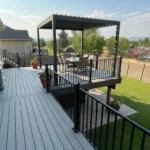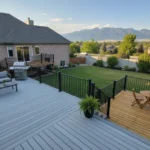
Utah decks face more than ordinary wear. Intense UV, dry air, snow loads, and repeated freeze-thaw cycles can change how quickly a surface fades, cracks, splinters, or needs attention. That makes the right material a climate decision, not just a style preference.
Talk with Dynamic Deck Pros about your Utah deck options
For many Utah homeowners, trex vs wood deck utah comes down to priorities. Composite decking is often the better fit for lower maintenance and demanding weather. Wood may appeal to buyers who want a natural look or lower initial cost. Neither option replaces careful structural design and installation.
Wood can be a rewarding choice when you are comfortable with regular staining, sealing, and seasonal inspections. Composite can simplify upkeep, but it still needs Utah-specific installation knowledge and a sound supporting structure. Reviewing your goals, site conditions, and maintenance expectations through custom decking services helps narrow the choice. For broader material guidance, see our composite decking guide for Utah homeowners. The climate itself is the best place to start.
Why Utah Climate Changes the Trex vs Wood Deck Decision
The direct answer is that Utah’s climate often makes composite decking the easier long-term fit, especially for homeowners who want less routine maintenance. Wood can still be a practical choice when a natural appearance and lower initial project cost matter most. The right decision depends on how your deck will handle sun, dry air, snow, and repeated temperature changes.
Utah’s intense ultraviolet exposure can weather an outdoor surface faster than many homeowners expect. Wood may gradually lose its finish, dry out, crack, or splinter when it is exposed to strong sun without consistent protection. That does not make wood unsuitable, but it does make the maintenance plan part of the material decision. Staining or sealing is not simply a cosmetic preference. It helps preserve the appearance and condition of the boards over time.
Dry air and rapid moisture changes affect wood
Utah’s dry air can pull moisture from wood, while rain, snow, and seasonal humidity introduce it again. Those changes can contribute to movement, including warping, checking, or splintering, particularly when maintenance is inconsistent. Boards, fasteners, framing, drainage, and ventilation all work together, so material selection cannot compensate for an undersized or poorly detailed structure.
Composite decking generally avoids the recurring staining, sealing, and sanding associated with traditional wood. It is also generally resistant to insects and rot. That can be valuable in a dry climate where homeowners may prefer to spend their time using the deck rather than maintaining its finish. Composite still needs appropriate cleaning, inspection, and installation. It is not a maintenance-free substitute for sound construction.
Snow loads and freeze-thaw cycles make installation important
Snow adds weight to the deck structure, while freeze-thaw cycles can expose weaknesses in footings, framing, drainage, and connections. Water that enters small gaps can freeze, expand, and thaw repeatedly. Over time, that process can make existing problems more noticeable. The material choice should therefore be considered alongside the deck’s span, support layout, attachment to the home, and site drainage.
Trex composite decking also requires specific installation knowledge for Utah conditions. Board spacing, fastening, ventilation, and the supporting frame need to follow the product requirements and the site’s demands. Wood offers more flexibility for some repairs and design details, but it still requires careful planning for snow and seasonal movement.
In other words, the Trex vs wood deck Utah decision is not only about how the boards look on installation day. It is about the maintenance you are willing to perform and whether the complete deck system is designed for local weather. A careful design and construction conversation can help turn those tradeoffs into a deck that supports Building Memories Together.
How Trex Composite Performs in Utah Sun, Snow, and Moisture
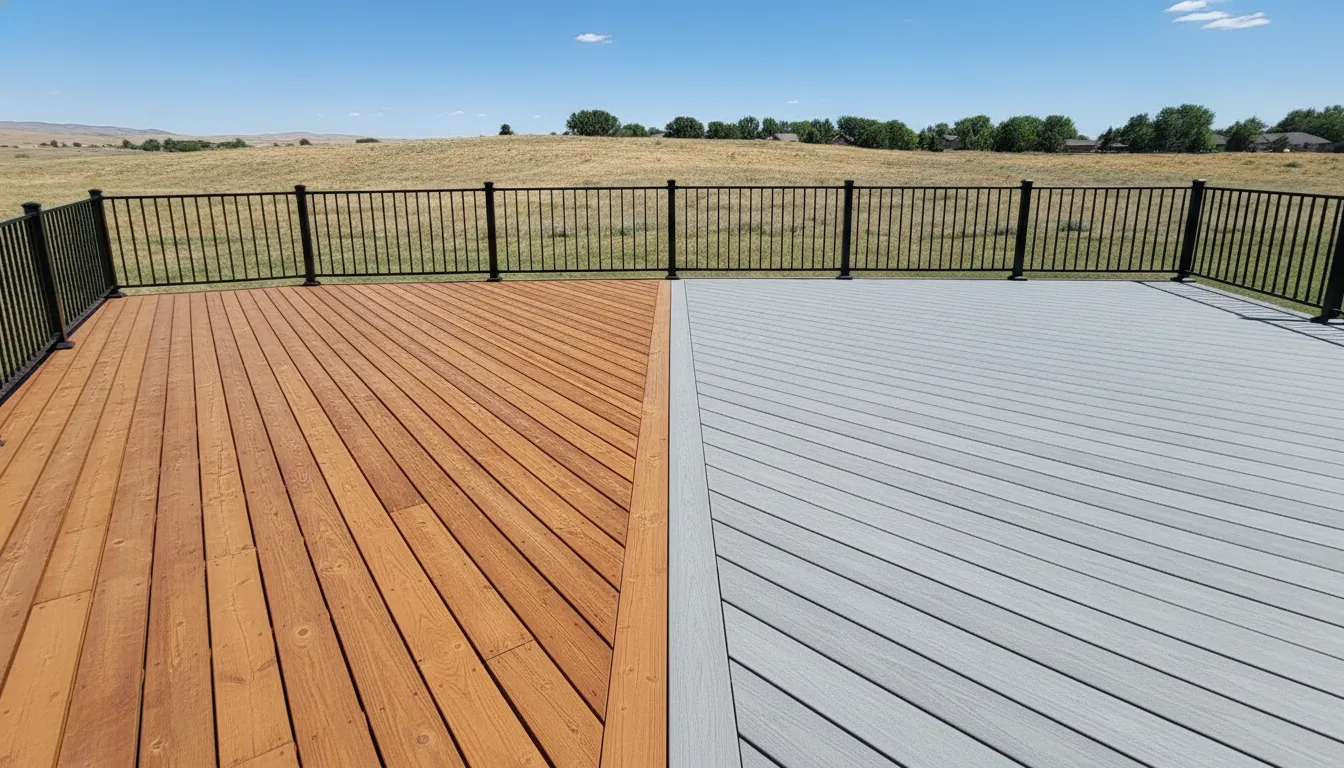
Utah decks face more than ordinary seasonal wear. Intense ultraviolet exposure, dry air, winter snow, and repeated freeze-thaw cycles can all affect the surface and the structure beneath it. Composite decking can reduce some of the day-to-day upkeep associated with those conditions, but it still needs a thoughtful design and a proper installation.
Sun exposure and changing moisture
Traditional wood has a natural appearance that many homeowners love, yet it responds directly to changes in moisture. In a high-altitude, dry climate, rapid shifts between dry air, rain, and snow can contribute to cracking, splintering, or warping when the deck is not consistently maintained. Ultraviolet exposure can also weather the surface and change its appearance over time.
Composite boards are generally more resistant to rot and insects than traditional wood, and they do not require frequent staining or sealing to help prevent decay. That makes them appealing for homeowners who want to spend more time using their outdoor space and less time sanding, sealing, and restoring it. Composite is not maintenance-free, however. Regular cleaning, visual inspections, and prompt attention to drainage or damaged components still matter.
Snow, drainage, and installation quality
Snow does not make material selection the only structural question. A deck must be designed for its site, including its expected loads, footings, framing, connections, and drainage. Meltwater that sits against framing or collects where air cannot circulate can create problems regardless of the decking material. Good installation leaves room for appropriate movement, follows the product’s fastening and spacing requirements, and directs water away from the home.
Trex composite decking requires specific installation knowledge for Utah conditions. Board layout, ventilation, fasteners, joist spacing, and the relationship between the surface and the supporting structure all influence the finished deck’s performance. A quality composite board cannot compensate for undersized framing or poor water management.
That is the practical distinction in the trex vs wood deck utah decision. Composite often offers a lower-maintenance surface and useful resistance to rot and insects. Wood may still be the better fit for a homeowner who prioritizes its natural character or a lower initial material cost and is prepared for ongoing care. In either case, local climate and installation details should guide the plan. Building memories together starts with a deck designed to handle the conditions around your home, not just a material chosen from a sample board.
Is Wood or Trex Cheaper for a Utah Deck?
Wood is often the less expensive option at the beginning of a deck project. Trex composite decking typically requires a larger upfront material investment, but the installation estimate is only part of the ownership cost. In Utah, intense UV exposure, dry air, snow, and freeze-thaw cycles can increase the time and materials needed to keep a wood deck looking and performing well.
That makes the better value different for every homeowner. A wood deck may fit a tighter initial budget or a preference for a natural surface. Trex may make more sense for someone who wants to reduce recurring staining, sealing, sanding, and replacement concerns. Composite decking is generally resistant to insects and rot and does not require the same frequent protective treatments as traditional wood. Those savings are measured over time, not promised as a specific dollar amount.
| Cost consideration | Wood decking | Trex composite decking |
|---|---|---|
| Initial project cost | Often lower, depending on the wood species, design, and structure. | Often higher because of composite board and fastening-system costs. |
| Ongoing upkeep | Budget for cleaning, staining or sealing, and occasional sanding or board repair. | Usually requires routine cleaning and inspection, without regular staining or sealing. |
| Utah weather exposure | May be more vulnerable to cracking, splintering, and warping when moisture and UV conditions change quickly. | Can reduce weather-related maintenance, but still depends on proper product selection and installation. |
What changes a deck estimate?
A reliable comparison should account for more than the visible deck boards. Project variables include deck size and shape, height above grade, stairs, railings, footings, and framing condition. Access to the site, demolition, drainage, local snow-load requirements, and any needed structural or code coordination also affect the scope. Material color, board profile, fastening method, and the complexity of the layout can also affect labor.
For a practical custom decking service plan, compare the complete scope and expected maintenance, not just the first material price. That approach supports better decisions and helps Dynamic Deck Pros build memories together around a deck suited to your home and Utah conditions.
What Maintenance Does Each Deck Material Need?
Maintenance is one of the clearest differences to consider when comparing deck materials for a Utah home. Intense UV, dry air, snow, and freeze-thaw cycles can change how quickly a deck’s surface weathers. The right routine depends on the material, the amount of shade and moisture on the site, and how much time you want to spend preserving the deck’s appearance.
Wood requires a recurring protection routine
Wood decking offers a natural appearance, but it needs regular attention to stay attractive and comfortable underfoot. Homeowners typically inspect boards, railings, stairs, and fasteners for movement, cracks, splinters, soft spots, and signs of moisture damage. Areas that hold snow or stay damp may need closer monitoring.
Cleaning is usually followed by a schedule for staining or sealing. These coatings help limit moisture absorption and support the wood’s appearance, but they are not a one-time solution. Utah’s sun and dry air can wear down the finish, while rapid moisture changes may contribute to cracking, splintering, or warping when upkeep is inconsistent. Sanding may also be needed before refinishing or wherever the surface becomes rough. The exact timing varies with the wood species, product used, exposure, and condition of the boards.
Composite usually shifts the work from refinishing to cleaning
Composite decking generally does not require the frequent staining, sealing, or sanding associated with traditional wood. Its resistance to insects and rot can reduce some common maintenance concerns, although it still benefits from routine care. Sweep away leaves, soil, and debris so moisture does not remain trapped against the surface. Clean spills and buildup with methods recommended for the specific product, and avoid assuming that every pressure washer, solvent, or abrasive tool is safe.
Composite decks should still receive periodic inspections. Check the framing, stairs, railings, drainage paths, fasteners, and board movement, especially after heavy snow or severe weather. Cleaning frequency depends on shade, nearby trees, foot traffic, and how quickly dirt accumulates. Composite can reduce the time spent on surface refinishing, but it does not replace sound construction or structural checks.
For Utah homeowners, the practical comparison is not maintenance versus no maintenance. It is refinishing and surface protection versus cleaning and inspection. A material plan that accounts for sun exposure, snow management, drainage, and access can make Building Memories Together more enjoyable over the long term.
Which Deck Material Fits Your Utah Home?
There is no single answer for every Utah property. The better choice depends on how you use the deck, how much maintenance you want to handle, and how long you expect to stay in the home. A wood deck may fit a tighter initial budget or a design centered on natural grain. Trex composite may fit homeowners who would rather spend weekends using the deck than staining, sealing, or sanding it.
Start with your priorities
- Choose wood when appearance and upfront budget lead the decision. Wood offers a traditional, organic look and can be a practical choice when you are comfortable planning for recurring staining or sealing. Utah’s intense sun, dry air, and changing moisture conditions mean that neglected wood can become more vulnerable to cracking, splintering, and warping.
- Choose Trex when low maintenance and predictable use matter most. Composite decking is generally resistant to insects and rot and does not require the same regular staining or sealing routine as traditional wood. It still needs appropriate cleaning, inspection, and installation. Trex also requires specific installation knowledge for Utah conditions, including attention to expansion, fastening, and the structure beneath the boards.
- Consider the layout before choosing the surface. A large entertaining area, built-in seating, stairs, railings, and transitions to doors or landscaping can affect the design and installation more than the board color alone. Think about sun exposure, snow accumulation, drainage, and how the deck connects to the rest of your outdoor space.
Account for wildfire context without oversimplifying it
If your home is near open space or in a wildland-urban interface, material selection deserves an additional safety conversation. The USDA Forest Products Laboratory evaluates the fire performance of decking products because different decking materials can behave differently during fire exposure: its decking research is a useful starting point. That does not make one material a universal wildfire solution. Utah State University Extension explains that firewise actions can improve the chance of a home withstanding wildfire, but there are no guarantees of fireproofing. Review the full Utah firewise guidance and consider the deck, surrounding vegetation, under-deck area, and installation details together.
Plan for the home you expect to own
If you plan to stay for years, compare the total commitment: purchase and installation. Seasonal upkeep, appearance changes, repairs, and the time you want to spend maintaining the surface. If you are preparing a home for sale, prioritize a material and layout that complement the property and fit likely buyer expectations without promising a return on investment. A site-specific design review can bring these factors together. For a broader look at composite options, return to our Utah composite decking guide. Dynamic Deck Pros provides deck building services in Utah and works as an outdoor living contractor for homeowners planning complete exterior spaces. The goal is a deck that supports Building Memories Together, with the material selected for the way your household actually lives.
What Should You Ask a Utah Deck Contractor Before Choosing?
A material decision is only part of a successful deck project. Before choosing Trex or wood, ask how the contractor will adapt the design to your property, Utah weather, and the way your household plans to use the space. A collaborative conversation should leave you with clear answers, not just a material recommendation.
How will you handle the structure and drainage?
Ask what the contractor will inspect before construction begins, including footings, ledger connections, framing, stairs, railings, and the condition of any existing structure. Snow loads can place substantial demands on a deck, so ask how the design accounts for the conditions at your home. Drainage matters too. Water should move away from the house and be managed around the deck rather than collecting against framing or creating difficult-to-maintain areas.
What fastening and installation methods will you use?
Trex composite decking requires specific installation knowledge, including attention to manufacturer requirements, board spacing, ventilation, and fastener selection. Wood has its own needs, from preventing splitting to allowing for seasonal movement. Ask whether the crew uses material-appropriate fasteners and how it will protect cut ends, connections, and areas exposed to moisture. The goal is not simply an attractive surface. It is a deck system built to perform through intense sun, dry air, snow, and freeze-thaw cycles.
Who coordinates permits and code requirements?
Ask which approvals may apply, who prepares the necessary information, and how local building-code requirements will be addressed. You should also ask how the contractor handles inspections and communicates any changes. Dynamic Deck Pros is a locally owned, licensed general and general engineering contractor. That combination supports a more complete review when a project involves structural considerations and permit or code coordination, without assuming every site has the same requirements.
Can I review samples and a maintenance plan?
Request full-size material samples if possible, and view colors in outdoor light. Ask how each option may look after regular exposure to Utah conditions, what cleaning it requires, and whether wood staining, sealing, or sanding will fit your schedule. Also discuss the plan for inspections and upkeep after installation. Homeowners comparing options can review local deck design and construction services as they consider layout, materials, and long-term care. The best choice is one you understand and can confidently maintain while Building Memories Together.
Request a site-specific deck consultation from Dynamic Deck Pros
Frequently Asked Questions
Is it cheaper to build a deck with wood or Trex?
Wood often has the lower initial material cost, but the full budget also includes framing, site conditions, labor, and future maintenance. Staining, sealing, sanding, and board replacement can add time and expense over the life of a wood deck. A project-specific estimate is the only reliable way to compare total costs for your property.
Is Trex decking a better choice than wood decking?
For many Utah homeowners, Trex is the better fit when low maintenance and consistent performance are priorities. Wood can be the right choice when you prefer its natural appearance or want to prioritize a lower initial cost. The best material depends on your budget, design, maintenance expectations, and how the deck will be used.
What is the downside of Trex decking?
Trex typically requires a larger upfront investment than basic wood, and its appearance, feel, and installation requirements differ from natural lumber. Composite boards also do not eliminate the need for cleaning or structural inspections. Proper fastening, drainage, framing, and expansion planning remain important for a durable Utah installation.
How much should a 20×20 Trex deck cost?
There is no dependable flat price for a 20-by-20 deck without reviewing the site and design. Stairs, railings, elevations, demolition, footings, electrical work, access, and local requirements can all change the scope. Request an on-site evaluation and detailed proposal rather than relying on a generic online price.
Does Trex decking hold up in Utah’s climate?
Trex can be a strong option for Utah’s intense UV exposure, dry air, snow, and freeze-thaw cycles, especially when installed with climate-specific expertise. Wood can weather more quickly when moisture and temperature conditions change rapidly, so it generally demands more consistent upkeep. Material selection and sound structural installation work together to protect your investment.
Ready to Plan the Right Utah Deck?
Trex and wood can both be good choices, but the best fit depends on your home’s exposure, layout, maintenance preferences, and long-term plans. A site-specific review can help you compare those factors before construction begins and create an outdoor space built for years of memories. Schedule a free on-site consultation with Dynamic Deck Pros to talk through your options and get started.