Every homeowner with an older deck eventually asks the same question: is it time to restore it or should we start fresh with a replacement? Your deck might just need a cosmetic refresh to bring it back to life. Or, those wobbly railings and soft spots could be hinting at deeper structural issues that a coat of stain can’t fix. Making the right call is crucial for your safety and your budget. This guide will help you inspect your current deck, understand the key warning signs, and decide whether a restoration or a full replacement is the best path forward.
Key Takeaways
- Prioritize a Solid Foundation: The long-term safety of your deck relies on its unseen structure, so proper planning is essential. This means securing permits, correctly calculating weight loads for snow and guests, and ensuring the design includes proper drainage to prevent future rot.
- Match Your Materials to Your Maintenance Style: Your choice between natural wood and low-maintenance composites directly impacts your future weekends. Consider Utah’s climate and decide if you prefer the annual upkeep of wood or the set-it-and-forget-it ease of composite materials.
- Your Builder Makes All the Difference: A beautiful, safe deck is the result of expert craftsmanship. Always partner with a licensed and insured local contractor who can show you a portfolio of their work and understands Utah’s specific building codes.
What Is a Backyard Deck?
At its core, a backyard deck is a raised, open-air floor built outside your home. Think of it as an extension of your indoor living space, designed specifically for enjoying the outdoors. It’s the perfect spot for summer barbecues, quiet morning coffee, or simply relaxing with a book while soaking in the Utah scenery. Unlike a ground-level patio, a deck is typically elevated and constructed from materials like pressure-treated wood or modern composites, giving it a warm and inviting feel. This elevation is a key feature, especially for homes built on sloped or uneven land, as it allows us to create a perfectly level and functional area where one might not have been possible before.
A deck serves as a bridge between your home and your yard, creating a seamless transition to nature. It’s a versatile platform that you can customize to fit your lifestyle perfectly. Whether you envision a simple space for a grill and a small table or a sprawling multi-level structure with built-in seating and planters, a deck provides the foundation. We believe a well-designed structure should feel like it has always been part of your home, blending with its architecture and the surrounding landscape. A professionally built custom deck gives you a durable, beautiful, and safe space to make memories for years to come.
Deck vs. Patio vs. Porch: What’s the Difference?
It’s easy to mix these terms up, but the main differences come down to elevation, materials, and cover. A deck is an open, elevated platform, usually made of wood or composite materials. A patio, on the other hand, is built directly on the ground and is typically paved with concrete, stone, or bricks. It doesn’t require the structural support that a deck does. Finally, a porch is a covered structure attached to an entrance of a house, acting as a sheltered transition between indoors and outdoors. While all three enhance your outdoor space, a deck is uniquely suited for creating an open-air living area, especially on uneven terrain. You can see a variety of beautiful deck designs in our project gallery.
Why Add a Deck to Your Home?
Adding a deck is about more than just adding a wooden platform to your backyard; it’s about enhancing your lifestyle and making a smart investment in your property. A deck instantly expands your home’s usable square footage, giving you a dedicated outdoor room for entertaining, dining, and relaxing with family and friends. It encourages you to spend more time outside, enjoying Utah’s beautiful seasons. Beyond the immediate lifestyle benefits, a high-quality, professionally installed deck can significantly increase your home’s resale value. It’s a highly sought-after feature for homebuyers, making your property more attractive on the market. A custom-built deck tailored to your home and needs is an investment that pays off in both enjoyment and equity.
The Anatomy of a Deck
When you look at a finished deck, you see a beautiful surface for relaxing and entertaining. But beneath that surface is a complex structure where every single part has a job to do. Understanding the anatomy of a deck helps you appreciate the craftsmanship that goes into a safe, long-lasting build. Think of it as a system; each component relies on the others to provide strength and stability for your outdoor space. A well-built deck is much more than just planks of wood or composite material. It’s an engineered structure designed to handle weight, withstand the elements, and provide a secure place for your family and friends to gather. Let’s walk through the essential pieces that come together to form a quality deck.
Footings and Posts
Everything starts from the ground up. Footings are the concrete foundations buried in the ground that support the entire weight of your deck. Here in Utah, they are especially important because they anchor the structure below the frost line, preventing it from shifting during our freeze-thaw cycles. Posts are the vertical supports that connect the footings to the deck’s frame, transferring the load down to the solid ground. Together, properly installed footings and posts create the solid base your deck needs to remain stable and secure for years to come, no matter what the weather brings.
Beams and Joists
Beams and joists make up the skeleton of your deck’s frame. Joists are the parallel boards that run from the house to the outer edge of the deck, and they are what your decking boards are fastened to. Beams are thicker boards that run perpendicular to the joists, providing the primary support for the frame and distributing the deck’s weight evenly to the posts. The correct sizing and spacing of these components are critical for preventing a bouncy or sagging deck surface. This framework is the unseen hero that ensures a strong and rigid structure you can trust.
Decking Boards
This is the part of the deck you see and walk on every day. Decking boards are the surface material that covers the frame, and they come in a variety of materials, from traditional pressure-treated wood to modern composite and PVC options. Your choice will define your deck’s look, feel, and maintenance routine. We can help you explore different colors, textures, and styles to find the perfect fit for your home and lifestyle with our custom decking services. A quality installation ensures a beautiful and durable finish that you’ll enjoy for years.
Ledger Board
The ledger board is one of the most critical safety components of an attached deck. This is the board that fastens the deck frame directly to the structure of your house. A secure connection here is non-negotiable. It must be attached with the correct hardware and properly flashed, or sealed, to prevent water from getting behind it and causing rot to your home’s framing. An improperly installed ledger is a primary cause of deck failure, which is why professional installation is so important for the safety and integrity of your home.
Railings and Balusters
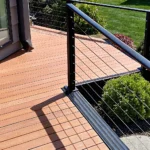
Railings are not just a design element; they are a crucial safety feature, especially for any deck that is elevated off the ground. They provide a barrier to prevent falls and offer support as you use the stairs. Balusters are the smaller, vertical posts that fill the space between the top and bottom rails. Building codes dictate the height of the railing and the maximum spacing between balusters to ensure safety for everyone, including children and pets. Our custom railing services can create a secure and stylish system that complements your home’s architecture.
Stairs and Stringers
If your deck is elevated, you’ll need stairs to connect it to your yard. The foundation of your deck stairs is the stringers, which are the angled, sawtooth-cut boards that support the stair treads (the part you step on) and risers (the vertical part). Because stairs handle concentrated foot traffic, they must be incredibly sturdy and built to precise measurements for comfort and safety. Well-designed stairs provide seamless and safe access to your outdoor living area, making your yard feel like a natural extension of your deck.
Your Guide to Decking Materials
Choosing the right material is one of the biggest decisions you’ll make for your new deck. It affects everything from the initial cost and long-term maintenance to how your deck stands up to Utah’s four distinct seasons. You want something that not only looks beautiful but also fits your lifestyle. Are you someone who enjoys the ritual of yearly maintenance, or do you prefer a set-it-and-forget-it approach? Let’s walk through the most popular options so you can feel confident in your choice. Each material has its own personality, and finding the right match is key to creating an outdoor space you’ll love for years to come.
Pressure-Treated Wood
Pressure-treated wood is a classic for a reason. It offers that timeless, natural wood look at a budget-friendly price point. This lumber is chemically treated to resist rot, insects, and decay, making it a durable choice for your deck’s structure. However, that beautiful wood requires some love to stay that way, especially with Utah’s intense sun and snowy winters. To keep it from splintering or warping, you’ll need to regularly clean and apply a protective stain or sealant. If you’re up for a little annual maintenance, a wood deck can be a stunning and sturdy addition to your home’s custom decking services.
Composite Decking
If you love the look of wood but not the upkeep, composite decking is your best friend. Made from a mix of recycled plastic and wood fibers, this material is engineered to last. It won’t rot, warp, or splinter, and it’s highly resistant to stains and fading. You can say goodbye to yearly sanding and staining; a simple soap-and-water wash is usually all it needs. While the upfront cost is higher than pressure-treated wood, you’ll save time and money on maintenance down the road. Plus, brands like Trex offer a wide range of colors and textures, giving you plenty of design freedom for your fencing solutions and deck.
PVC and Aluminum
For the ultimate in low-maintenance living, PVC and aluminum are top-tier choices. PVC decking is made entirely from plastic, so it’s completely waterproof and impervious to mold, mildew, and insects. It’s a fantastic option if your deck is near a pool or in a particularly damp area. Aluminum is another powerhouse material, offering incredible strength without the weight. It stays cooler to the touch than many other materials and is completely fireproof. Both PVC and aluminum are premium investments that pay off with decades of worry-free performance. You can see how these modern materials look in our project gallery.
Essential Deck Safety Features
A beautiful deck is a wonderful addition to any home, but its most important quality isn’t its appearance, it’s safety. When you’re hosting a summer barbecue or just relaxing with your family, the last thing you want to worry about is whether your deck is secure. A professionally built deck integrates critical safety features from the ground up, ensuring it’s a place for making memories, not for causing accidents. These features aren’t optional add-ons; they are fundamental components of a sound structure.
From the railings that keep everyone safely on deck to the foundation that holds it all up, every detail matters. This is especially true in Utah, where our four-season climate brings everything from heavy snow loads to intense summer sun. A safe deck is designed to handle these challenges. Understanding these essential safety features will help you appreciate what goes into a quality build and give you peace of mind knowing your outdoor space is built to last and protect the people you care about most.
Guardrails and Balusters
If your deck is elevated, railings are your first line of defense against falls. Any deck built more than 30 inches above the ground is required by building codes to have a guardrail. These aren’t just decorative borders; they are structural safety systems. The rules are strict, dictating everything from the height of the rail (typically 36 inches or more) to the spacing of the balusters, which are the vertical posts that fill the space below the top rail.
Proper baluster spacing, usually no more than four inches apart, is designed to prevent small children from squeezing through. A professional contractor will ensure your custom railing not only complements your deck’s design but also meets these non-negotiable safety standards for strength and dimension, keeping everyone safe.
Load-Bearing Requirements
A deck is more than just a platform; it’s a complex structure engineered to support significant weight. This is what we call its load-bearing capacity. Think about everything your deck will hold: you, your family, friends, heavy patio furniture, a grill, and even the weight of heavy, wet snow in the winter. The entire structure, from the footings in the ground to the joists supporting the floor, must work together to handle this load safely.
This is why professional plans and a deep understanding of structural engineering are so important. A qualified builder will calculate the load requirements for your specific needs and design a deck that can handle it without sagging, swaying, or failing. Guesswork has no place here, as a properly supported deck is the foundation of outdoor safety.
Non-Slip Surfaces
In Utah, we see our fair share of rain and snow, both of which can create dangerously slick surfaces. A deck’s surface material and its ability to manage water are key safety considerations. Standing water is a deck’s worst enemy, as it can lead to mold, rot, and slippery algae growth, especially on wood surfaces. This creates a serious slipping hazard for you and your guests.
Choosing the right decking material can make a big difference. Many modern composite decking options are designed with textured surfaces for better grip. Proper installation also plays a huge role. Ensuring the deck has a slight slope away from the house and that boards are spaced correctly allows for proper drainage, preventing water from pooling. This simple step is crucial for maintaining a safe, non-slip surface year-round.
Utah’s Deck Building Codes and Permits
Building a deck isn’t a weekend project you can start on a whim. In nearly every city and county across Utah, you are required to obtain a permit before construction begins. This process isn’t meant to be a hassle; it’s a critical safety check. When you apply for a permit, a building official reviews your plans to ensure they comply with local building codes, which are designed to protect you and your property.
These codes dictate everything from footing depth to railing height. A licensed and insured contractor who works in your area will be familiar with the specific requirements for your town. They will manage the entire permitting process, from submitting plans to scheduling final inspections. This ensures your deck is not only safe and legal but also built to the highest standards of your local community.
Does a Deck Add Value to Your Home?
The short answer is a resounding yes. Adding a deck is one of the most popular home improvement projects, and for good reason. It’s an investment not just in your property’s financial value, but in your lifestyle. A well-built deck extends your living space into the beautiful Utah outdoors, creating a go-to spot for family barbecues, quiet morning coffees, and relaxing evenings. When it comes time to sell, a beautiful and functional deck is a huge draw for potential buyers, making your home stand out from the rest. But not all decks are created equal, and its impact on your home’s value comes down to design and quality.
The ROI of a New Deck
When you think about return on investment, or ROI, for a deck, think beyond just the numbers. The real value comes from creating a space that future buyers can easily picture themselves enjoying. A simple, small platform might not move the needle much, but thoughtfully well-designed decks that function as true outdoor living areas certainly do. Imagine a space with built-in seating, room for a grill and dining table, or even a pergola for shade. This kind of functional, inviting space makes your home more desirable, which can lead to a higher selling price and less time on the market. It transforms a simple backyard into a key feature of the home.
How Quality and Materials Impact Resale Value
The materials and craftsmanship of your deck play a massive role in its long-term value. A deck built with high-quality materials and expert construction techniques is a durable, safe asset. Buyers will notice the difference between a solid, professionally installed deck and one that feels wobbly or shows premature wear. Your choice between natural wood and low-maintenance composite decking also affects long-term appeal and costs. Using the right custom decking services ensures your deck not only looks great on day one but also stands up to Utah’s weather for years to come. A poorly constructed deck can become a liability, but a quality one is a lasting investment that pays for itself in both enjoyment and resale value.
Inspiring Deck Design Ideas
Your deck shouldn’t just be a place to put a grill; it should be a true extension of your home. The best deck designs blend style with function, creating an outdoor retreat that feels just as comfortable and inviting as your living room. Thinking beyond a simple square platform opens up a world of possibilities for how you can enjoy your backyard. Whether you have a sprawling, flat lawn or a sloped yard unique to Utah’s landscape, a thoughtful design can turn your outdoor space into your favorite part of the house. Let’s look at some popular and inspiring ideas that can transform your deck from a simple structure into a stunning outdoor oasis.
Multi-Level Decks
Why stick to one level when you can have two or three? Multi-level decks are a fantastic way to add visual interest and create distinct zones for different activities. Imagine a top level near the house for dining and grilling, with a few steps leading down to a lower level designed for lounging and conversation around a fire pit. This approach is especially effective on sloped properties, as it works with the natural grade of your land instead of fighting against it. By breaking up the space, you create a more dynamic and functional outdoor environment that feels both expansive and intimate. Our team can help you design custom decking services that perfectly match your yard’s unique topography.
Built-In Seating and Planters
For a truly custom and uncluttered look, consider integrating features directly into your deck’s structure. Built-in benches are a game-changer, providing permanent seating without taking up valuable floor space with bulky furniture. They can also help define the perimeter of your deck, creating a cozy and enclosed feel. Pairing them with built-in planters softens the hard lines of the structure and brings life and color to the space. This approach helps your deck feel more connected to the surrounding nature. You can see examples of this seamless integration in our project gallery, where function and beauty come together.
Pergolas and Shade Structures
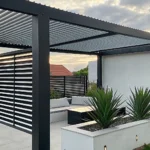
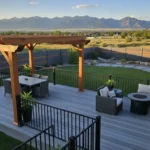
To make your deck comfortable throughout the day, especially under the strong Utah sun, a shade structure is essential. A pergola is an elegant and popular choice that adds architectural beauty while providing filtered shade. It creates the feeling of an outdoor room and offers a framework for hanging plants, string lights, or even a retractable canopy for more complete coverage. A well-placed pergola can define a seating or dining area, making it the focal point of your deck. We specialize in building custom pergolas that not only offer relief from the sun but also enhance the overall style of your home and deck.
Integrated Lighting
Don’t let the sunset put an end to your outdoor enjoyment. Integrated lighting is a key feature for both safety and ambiance, extending the usability of your deck well into the evening. Subtle, low-voltage LED lights can be installed directly into stair risers, under railings, or on post caps to create a warm, inviting glow. This isn’t just about visibility; it’s about creating a mood. Thoughtful lighting highlights your deck’s best features and ensures safe passage after dark. When designing your custom railing services, we can incorporate a lighting plan that transforms your deck into a magical nighttime retreat.
Outdoor Living Rooms
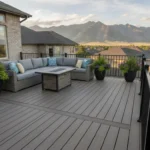
The ultimate goal of modern deck design is to create a true outdoor living room. This concept brings together all the best elements: a multi-level layout for different activities, comfortable built-in seating, a pergola for shade, and integrated lighting for evening ambiance. You can complete the space with cozy outdoor furniture, a durable rug, and even a fire pit or outdoor kitchen. The idea is to erase the boundary between your indoor and outdoor spaces, creating a seamless flow for daily living and entertaining. With our wide range of custom services, we can help you build an outdoor living room that reflects your style and becomes your family’s favorite gathering spot.
Common Deck Planning Mistakes to Avoid
Building a beautiful deck starts long before the first board is cut. A solid plan is your best tool for a smooth project. By sidestepping a few common planning mistakes, you can ensure your new outdoor space is safe, durable, and exactly what you envisioned, without costly surprises down the road. A little foresight goes a long way in creating a deck that you and your family will love for years. Let’s walk through some key areas where careful planning makes all the difference.
Skipping Permits and Ignoring Building Codes
It can be tempting to view permits as just another piece of paperwork, but they are a critical step for safety and legality. Most towns and cities in Utah require a permit for deck construction. These regulations and building codes exist to make sure your deck is structurally sound and safe for your family and friends. An experienced local contractor will understand the specific requirements in your area, from Salt Lake County to Utah County, and will manage the entire permitting process for you. This not only saves you a headache but also ensures your investment is protected and up to code.
Choosing the Wrong Materials for Utah’s Climate
Utah’s four distinct seasons, from hot, sunny summers to snowy winters, demand decking materials that can handle it all. A frequent mistake is using the wrong type of wood for the job. For instance, any part of your deck’s structure that touches the ground must be rated for ground contact to prevent rot. Standard pressure-treated lumber just won’t last. We can help you select the right materials, whether it’s durable composite decking that resists fading or properly treated wood built for our climate. Making the right material choice at the start is key to a long-lasting deck.
Underestimating Weight and Load Capacity
Your deck needs to support more than just a few chairs. Think about the weight of heavy snow, a grill, planters, and all your guests during a summer barbecue. A deck’s load capacity is determined by its underlying structure: the footings, posts, and joists. If this framework isn’t planned correctly, it can lead to serious safety issues, even if the surface looks fine. A professionally built deck is engineered to handle these loads safely. We ensure every deck has a solid foundation, giving you peace of mind that your structure is secure for years to come.
Forgetting About Drainage
Standing water is a deck’s worst enemy. If water can’t drain properly, it can lead to rot, mold, and slippery surfaces that are a safety hazard. Proper drainage is a simple but essential part of good deck design. This is achieved by leaving a small, consistent gap (typically 1/8 to 1/4 inch) between the decking boards. It also involves building the deck with a slight slope away from your house, guiding water to run off naturally. These small details are a hallmark of quality craftsmanship and are vital for extending the life of your deck.
Is It Time to Restore or Replace Your Deck?
Your deck is the heart of your backyard, but Utah’s sun, snow, and everything in between can take a toll. After years of family barbecues and quiet mornings, you might notice it’s looking a little worse for wear. This leads to the big question every homeowner eventually faces: should you restore your deck or is it time to replace it entirely? The answer isn’t always obvious, and it comes down to more than just appearances. Safety is the number one priority, followed by your budget and what you envision for your outdoor space in the long run.
Even if the surface boards seem okay, hidden problems with the structure could be lurking underneath. A simple cosmetic fix won’t solve underlying issues with the foundation or frame, which can create expensive safety hazards down the road. On the other hand, a full replacement might be unnecessary if your deck’s bones are still strong. Understanding the key warning signs will help you make an informed decision. A professional inspection can give you a clear picture of your deck’s health and help you weigh the pros and cons of each option. From there, you can decide whether a simple refresh or a complete rebuild is the right path for your home and family.
Key Signs Your Deck Needs Attention
Before you decide, give your deck a thorough inspection. Pay close attention to the ledger board, where the deck attaches to your house, as this is a common spot for water damage and rot. Look for widespread splintering, cracked boards, or soft spots that give way under pressure. You’ll also want to check the foundation. A deck is only as strong as its footings, and any signs of sinking or cracking are a major red flag. Don’t forget to grab the railings and give them a firm shake. If they feel wobbly or loose, they’re a serious safety hazard. These issues often point to problems that go beyond simple wear and tear, and our team can help with a professional deck restoration.
Restoration vs. Replacement: Which Is Right for You?
If your inspection reveals that the deck’s underlying structure, including the posts and joists, is still solid, restoration is an excellent choice. A professional restoration can address cosmetic issues like faded stain, minor cracks, and a few damaged boards, bringing your deck back to life for a fraction of the cost of a full replacement. However, if you’ve found widespread rot, significant structural damage, or foundation problems, replacement is the safest and smartest long-term investment. A new build is also a great opportunity to get the deck you’ve always wanted. You can explore modern, low-maintenance materials like composite decking or create a completely new layout with custom features like built-in seating or a pergola.
How to Choose the Right Deck Contractor in Utah
Finding the right person to build your dream deck is just as important as choosing the right materials. A great contractor brings your vision to life, handles the technical details, and makes the entire process feel smooth. But with so many options out there, how do you find the perfect partner for your project? Taking the time to research your contractor will give you peace of mind and ensure your new outdoor space is built to last. Here’s a straightforward guide to help you find a reliable deck builder in Utah.
Start with Local Recommendations
Your search can begin right in your own neighborhood. Ask friends, family, or coworkers who have recently had deck work done. A personal recommendation from someone you trust is often the most reliable way to find a great contractor. People are usually happy to share their experiences, both good and bad. You can also take a drive around your area and look for contractors’ signs in yards. If you see a project you admire, it’s a good sign that the builder does quality work and is familiar with local styles and regulations.
Vet Their Credentials and Experience
Once you have a few names, it’s time to do a little homework. The first thing you should confirm is that the contractor is licensed and insured in Utah. This protects you from liability and ensures they meet state requirements. Next, look into their experience. Do they specialize in custom decks, or is it just one of many services they offer? A specialized builder will have deeper knowledge of materials, design, and construction techniques. Ask to see a portfolio of their completed projects; a professional will be proud to show off their gallery of past work. This helps you see if their style aligns with what you have in mind.
Read Reviews and Check References
Online reviews and testimonials can offer a window into what it’s like to work with a contractor. Look for patterns in the feedback. Are clients consistently praising their communication, timeliness, and craftsmanship? While a single negative review isn’t necessarily a deal-breaker, multiple complaints about the same issue should be a red flag. Don’t be afraid to ask for a few references you can call directly. Speaking with past clients allows you to ask specific questions about their project, the crew’s professionalism, and whether they’d hire the contractor again.
Get Detailed, Written Estimates
Try to get at least three written estimates from different contractors. This isn’t just about finding the lowest price; it’s about comparing what you’re getting for your money. A professional estimate should be detailed, breaking down the costs for materials, labor, permits, and other expenses. Be wary of vague quotes or anyone who gives you a price without a thorough site visit. A detailed bid shows that the contractor has carefully considered your project and is transparent about their pricing. It also helps you make sure everyone is bidding on the same scope of work.
Related Articles
- Custom Decks in Utah – Dynamic Deck Pros
- Deck Installation Services in Utah – Dynamic Deck Pros
- Custom Deck Builder in Midvale, UT – Dynamic Deck Pros
- Deck Contractor in Bountiful, UT – Dynamic Deck Pros
- Custom Deck Constructions – Dynamic Deck Pros
Frequently Asked Questions
How long does it take to build a new deck? The timeline for building a deck can vary quite a bit. A straightforward, single-level deck might take a week or two for construction, while a large, multi-level project with custom features could take several weeks. Factors like weather, material availability, and the complexity of your design all play a role. It’s also important to remember that the permitting process happens before we even break ground, which can add a few weeks to the start of the project. A professional contractor will give you a clear and realistic timeline once they understand your specific project.
How much should I expect a new deck to cost? Because every deck we build is custom, there isn’t a one-size-fits-all price. The final cost depends on several key factors: the overall size of the deck, the materials you select (like pressure-treated wood versus composite), and the complexity of the design. Features like built-in benches, multiple levels, or an integrated pergola will also influence the total investment. The best way to understand the cost for your specific vision is to get a detailed, written estimate that breaks everything down for you.
What kind of maintenance does a deck really need? The maintenance your deck requires depends almost entirely on the material you choose. A traditional pressure-treated wood deck needs some annual care, like a thorough cleaning and a fresh coat of stain or sealant to protect it from Utah’s sun and snow. For composite decking, the upkeep is much simpler. You can keep it looking great with just a periodic wash using soap and water. It’s a trade-off between a lower upfront cost for wood and long-term, low-maintenance convenience with composite.
Is composite decking really worth the higher price? For many homeowners, the long-term benefits of composite decking make it a worthwhile investment. While the initial cost is higher than for a traditional wood deck, you save a great deal of time and money over the years by avoiding the annual cycle of sanding, staining, and sealing. Composite materials are engineered to resist fading, staining, and splintering, so they hold up beautifully to our intense seasons. It means you get to spend more time enjoying your deck and less time working on it.
Do I need a permit even for a small, low-to-the-ground deck? In almost all cases, the answer is yes. Most cities and counties across Utah require a building permit for deck construction, regardless of its size, especially if it is attached to your home. This process is a crucial safety check to ensure the structure is built correctly and can safely support weight. Working with a licensed contractor is the best way to go, as they will be familiar with your local codes and will manage the entire permitting process for you, ensuring your deck is both safe and legal.