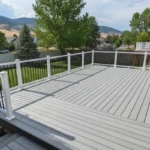
Planning a new deck or outdoor-living project means balancing the space you want with the amount you can comfortably pay. If you are researching deck financing utah options, start by defining the project and comparing the full cost of each payment path—not just the monthly payment. The right approach depends on your finances, the lender’s terms, the project scope, and how quickly you want to move forward.
Request a project consultation
Dynamic Deck Pros provides project consultations and estimates; financing terms or lender approval are not part of a contractor estimate. Use this guide to organize your questions, then confirm current rates, fees, tax treatment, and loan terms directly with a qualified lender or financial and tax professional. No financing option is right for every household.
What Should You Decide Before Looking at Deck Financing in Utah?
A financing search can start with an appealing monthly payment, but that number is meaningful only when you know what the project includes and what the loan costs over time. Begin with a clear brief for the project you are considering.
- Define the purpose. Is the priority extra space for meals, a safer connection to the yard, a low-maintenance surface, or a complete outdoor living area?
- Separate must-haves from upgrades. List the deck footprint, access points, railing needs, stairs, and any related features. Mark optional additions separately so you can consider a smaller first phase if needed.
- Identify site questions. Slope, access, existing structures, drainage, and local approval requirements can affect the design and work plan. Do not assume an early concept drawing is a final scope or price.
- Set a payment boundary. Review your household budget and decide what payment remains manageable alongside existing obligations, savings goals, and irregular expenses.
Explore the company’s custom decking services and broader outdoor project services to see which parts of your idea may need discussion. If the plan includes an outdoor structure, the custom pergola service page can help you identify that scope as a separate design decision.
Which Financing Paths Could a Homeowner Compare?
Homeowners often compare savings with borrowing options such as a home equity loan, a home equity line of credit (HELOC), an unsecured personal loan, or a credit card. These products differ in how funds are accessed, whether the home secures the debt, how repayment works, and what fees apply. Availability and eligibility depend on the lender and the applicant.
| Payment path | How it generally works | Questions to compare | Points to weigh |
|---|---|---|---|
| Cash or savings | Pay from available funds, either all at once or in planned stages. | How much cash remains after the project? Is there a reserve for other needs? | No loan interest, but spending savings reduces funds available for emergencies and other priorities. |
| Home equity loan | A lender advances a set amount, usually repaid in scheduled installments; the home may secure the debt. | What are the APR, fees, term, payment, and consequences of missed payments? | A defined amount can make planning simpler, while putting a home at risk is a serious consideration. |
| HELOC | A lender provides access to a credit line, subject to its agreement and draw and repayment rules; the home may secure it. | When can funds be drawn? How can the rate or payment change? What are the fees and repayment stages? | Flexible access can be useful for staged spending, but variable terms may make future payments harder to predict. |
| Unsecured personal loan | A lender provides a loan that is not secured by the home, subject to approval and the lender’s terms. | What APR, origination charges, repayment term, monthly payment, and prepayment rules apply? | Compare the total repayment cost and payment schedule; approval and terms vary by borrower. |
| Credit card | Eligible purchases are charged to a revolving account and repaid under the card agreement. | What rate applies, how long does any promotional term last, and what happens if a balance remains? | Convenient payment does not mean low-cost borrowing. Review the rate and repayment plan before charging a large purchase. |
This table is a comparison checklist, not a recommendation or an offer. Terms change, and a lender can explain the agreement that applies to you. If a home is collateral, understand the risk before borrowing. Do not assume a project qualifies for a particular product or promotional offer.
How Can You Compare the Total Cost, Not Just the Payment?
Two offers can show similar monthly payments but have different fees, repayment periods, rate structures, or total amounts paid. Ask each lender for the disclosures and figures needed to compare options on the same basis. Then review the payment against a budget that includes your other financial commitments.
- Write down the amount you expect to borrow. Base it on an itemized, current project estimate and the amount you plan to contribute yourself. Do not treat an unconfirmed allowance as guaranteed funding.
- Compare the APR and fees. Ask which charges are included in the quoted rate and which are charged separately. Request an explanation of any origination, account, appraisal, or closing charges that may apply.
- Check the rate structure. Is the rate fixed or variable? If it can change, ask when it may change, what index or terms govern changes, and whether a cap or floor applies.
- Compare term and total repayment. A longer term can lower the scheduled payment while extending repayment and potentially increasing the total cost. Request the total amount payable under the offer, not just the monthly figure.
- Review early or late payment rules. Ask whether there are prepayment charges, late fees, deferred-interest conditions, or other terms that could change the cost.
- Test the payment in your real budget. Allow for utilities, insurance, maintenance, and other household costs. A payment that fits only if nothing unexpected happens may not be comfortable.
Use a lender’s calculator or written repayment estimate as a planning aid, then verify the assumptions in the official disclosure. A calculator may not include every fee or account condition. Do not compare one offer’s promotional payment with another offer’s regular payment without understanding when the terms take effect.
It can also help to run a few budget scenarios before choosing an amount. Consider whether you could still make the payment if another household cost rose, a planned expense came due, or the project required a scope adjustment. This is not a prediction that those events will happen; it is a way to check how much flexibility your budget has. For a variable-rate product, ask the lender to explain how a payment could change under the contract and whether an example is available. For a fixed-rate product, confirm what remains fixed and what fees or conditions could still apply. Write down the assumptions behind each estimate so that a lower initial payment does not obscure a longer term or a cost that begins later.
How Should the Project Scope Shape Your Funding Plan?
Borrowing needs depend on the actual design, materials, site, and work included. Ask for a written estimate that clearly identifies the proposed scope, materials, important exclusions, and any assumptions. If construction details or approvals are still being confirmed, ask which parts of the estimate could change and when the amount becomes firm.
Read the estimate line by line rather than relying only on its total. Check whether removal of an existing structure, disposal, access work, railings, stairs, and finishing details are included when relevant to your project. Ask what must be decided before an order is placed and which selections can still change. If there are allowances or items pending site review, find out how those are handled in the agreement. Clarifying these details can help you avoid comparing a loan amount with a project concept that does not yet reflect the work you intend to build. Keep a record of revisions and use the same version of the scope when you discuss funding with a lender.
Break the idea into core work and optional elements. For example, decide whether the initial project needs a particular footprint and safe access, while a pergola or other addition can be evaluated as a separate phase. Phasing may change the design or construction sequence, so ask whether it is practical before building a financing plan around it. A smaller first scope is not automatically less expensive overall if later work requires changes or duplicated labor.
Material choices also belong in the planning conversation. The Rutgers Green Building Manual’s outdoor-living section discusses deck and patio material considerations, including examples of wood choices. It is not Utah-specific guidance, so use it as a prompt to ask about local suitability rather than as a recommendation for a Utah project. For more background on comparing surfaces, see the site’s guide to composite decking in Utah.
Related features can have their own planning, design, and approval questions. If your project includes a pergola, read the Utah pergola permit guide and discuss the address-specific requirements that may apply. For the deck itself, the deck-building guide can help you organize questions about the general project sequence. Neither guide replaces a local authority’s decision or a lender’s terms.
What Should You Ask a Contractor and a Lender?
Keep the contractor and lender conversations distinct. A contractor can explain the proposed project and estimate; a lender explains credit, underwriting, repayment, and collateral. A quote is not a loan approval, and a loan approval is not confirmation that a particular scope is ready to build.
Questions for a contractor
- What work, materials, and finishing details are included in the estimate?
- What assumptions could affect the scope, schedule, or final amount?
- Which site conditions or local approvals still need to be checked?
- Can optional components be priced or planned separately without creating avoidable rework?
- What payment milestones, if any, are part of the written project agreement?
Questions for a lender
- What is the APR, and what fees are charged in addition to interest?
- Is the rate fixed or variable, and how could the payment change?
- Is the debt secured by the home or another asset?
- What are the repayment term, total repayment amount, and rules for early repayment?
- Does a promotional rate or deferred-interest offer have an end date or conditions?
- What happens if the project estimate changes or the work is delayed?
Save written estimates and lender disclosures together, but do not share personal financial information with a contractor unless there is a clear, necessary reason and you understand how it will be used. Verify the lender and the terms independently. If the contract, loan offer, or tax implications are unclear, consult an appropriate professional before signing.
What Is a Practical Order for Planning and Applying?
A simple sequence can help you avoid applying for an amount based on an incomplete design or committing to a project before you understand the payment obligation.
- Describe the project. Note the intended use, approximate priorities, and any known site constraints.
- Request a consultation and estimate. Ask what is included and what still needs confirmation. Dynamic Deck Pros offers project consultations and estimates; the final scope depends on project review.
- Review local requirements and design decisions. Ask which approvals, inspections, or site questions need attention before work proceeds. The Utah deck permit guide is a useful starting point, but requirements can depend on the property and authority having jurisdiction.
- Set a comfortable spending limit. Use your budget, not the maximum amount a lender may offer, to decide what borrowing level is acceptable.
- Compare at least the relevant offers. Request complete terms in writing and compare APR, fees, rate changes, repayment length, and total cost.
- Confirm timing and contingencies. Ask the contractor and lender what must be completed before funds are available and what happens if the project schedule or scope changes.
- Read before signing. Make sure the project agreement and loan agreement match your understanding. Keep copies of the final documents.
This order is a planning framework, not a promise about project timing or loan approval. A lender may require documents or steps beyond this list, while a contractor may need additional site information before confirming scope. Leave enough time to resolve questions rather than treating a proposed start date as final before the necessary agreements and approvals are in place.
When Might It Make Sense to Delay or Reduce the Scope?
Consider waiting or revising the plan if the expected payment would strain your monthly budget, if you do not understand the rate or fees, or if the project estimate is still too uncertain to compare against a loan amount. The same is true if the borrowing option depends on a temporary offer you cannot comfortably repay under its later terms.
Ask whether the design can be simplified, whether a nonessential feature can be postponed, or whether saving for part of the work would reduce the amount borrowed. Compare the implications of doing the work in phases with completing it at once. Get the contractor’s input about sequencing and the lender’s input about disbursement and repayment; neither should be assumed from a general financing article.
Financing can make a project possible sooner, but the decision should work beyond the first payment date. Keep room for ordinary household needs, unexpected expenses, and future upkeep of the completed outdoor space. If the numbers do not feel manageable, there is no need to rush into a commitment.
Discuss your project and request an estimate
Frequently Asked Questions About Deck Financing in Utah
Does Dynamic Deck Pros offer financing?
The available company information describes project consultations and estimates, but does not establish a financing program or lender partnership. Ask the company about the project estimate and contact lenders directly about borrowing options, eligibility, and terms.
Can a contractor estimate tell me what loan I will qualify for?
No. An estimate describes proposed project work; a lender evaluates the applicant and the loan request under its own requirements. Ask each party for the information within its role, and do not treat an estimated project amount as approval.
Should I borrow the maximum amount a lender offers?
Not necessarily. A lender’s maximum offer is not the same as a payment that fits your household priorities. Compare the likely payment and total repayment with your budget, existing obligations, savings plans, and tolerance for changes in rate or costs.
Can I add a pergola or other features to the same project?
That depends on the design, site, approvals, estimate, and available funding. Ask for the components to be clearly described and discuss whether they should be planned together or in phases. For ideas and scope questions, review the custom pergola design guide.
Plan Your Utah Deck Project With Clear Numbers
Before selecting a financing path, make sure you understand the project scope, estimate, repayment terms, and risks. A careful comparison helps you weigh the outdoor space you want against a payment plan that remains manageable.
Start a conversation about your deck project
Request a project consultation to discuss the work you have in mind, then review any borrowing decision separately with the lender that will provide the terms.